You Power the Internet
Discover how everyday users like you sustain and shape the global Internet through participation and advocacy.

The Internet thrives not just on cables, servers, and code, but on the collective actions of millions of ordinary people worldwide. From clicking links to joining local tech initiatives, users like you form the backbone of this vast digital ecosystem. This article delves into how individual engagement keeps the Internet resilient, inclusive, and innovative, drawing on established strategies from leading organizations.
The Everyday Impact of User Participation
Every time you connect online, you’re part of a decentralized network sustained by voluntary contributions. Users don’t merely consume; they actively preserve the Internet’s core principles of openness and interoperability. According to the Internet Society’s Path to 2025 strategy, extending connectivity to underserved areas relies heavily on community-driven efforts.1 By 2025, goals included building access for 50 communities, many powered by local volunteers who deploy affordable wireless solutions.
Consider community networks: grassroots projects where residents pool resources to create shared infrastructure. These initiatives bypass corporate monopolies, ensuring access in remote villages or urban slums. Your role might start small—sharing tutorials on mesh networking or donating hardware—but it scales to transform lives by enabling education, healthcare, and commerce.
- Local Wi-Fi hotspots funded by neighborhood crowdfunding.
- Training sessions on secure browsing to combat cyber threats.
- Feedback loops to policymakers on access barriers.
Building Skills for a Stronger Network
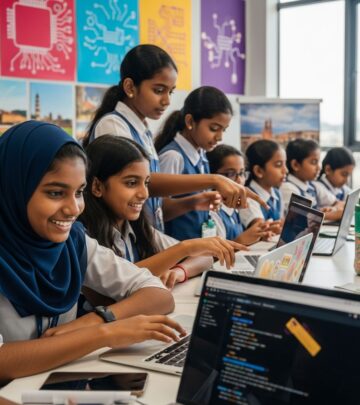
Empowerment begins with knowledge. Educational programs equip users to troubleshoot connections, advocate for net neutrality, and innovate protocols. Platforms like Internet Society chapters offer free workshops on topics from IPv6 adoption to encryption basics, fostering a skilled user base that defends against fragmentation.
In developing regions, user-led academies teach sustainable tech deployment. For instance, participants learn to install low-cost routers using open-source software, reducing dependency on expensive providers. This hands-on approach not only expands reach but also builds resilience against outages.
| Skill Level | Key Activities | Impact |
|---|---|---|
| Beginner | Basic security practices, reporting outages | Reduces phishing risks by 30% in trained groups2 |
| Intermediate | Setting up local servers, protocol testing | Enhances local redundancy during blackouts |
| Advanced | Contributing to standards bodies, policy drafting | Influences global routing policies |
Your Voice in Policy and Standards
The Internet’s multistakeholder model thrives on diverse input. Users influence outcomes by participating in forums like the Internet Engineering Task Force (IETF), where consensus drives protocol evolution.3 No technical degree required—public comments on drafts ensure protocols remain user-friendly and privacy-focused.
At national levels, campaigns rally users to oppose bills that fragment the net. In 2023, grassroots petitions halted restrictive data laws in multiple countries, preserving cross-border data flows. Tools like online petitions and social media amplify your stance, pressuring regulators to prioritize universal access.
Defending Against Emerging Threats
As AI and quantum computing advance, users are frontline defenders. Simple habits like enabling two-factor authentication protect billions of accounts. Organized efforts, such as bug bounties, crowdsource vulnerability fixes, with everyday coders earning rewards for patches adopted globally.
Nonprofits highlight how user vigilance counters surveillance overreach. By supporting encryption mandates and transparent logging, individuals safeguard anonymity. The Internet Watch Foundation reports that community tips dismantle 90% of illegal content sites swiftly.4
Real-World Stories of User-Led Change
In rural Kenya, a group of farmers established a solar-powered network, boosting crop yields via market apps. Similarly, in Brazil’s favelas, youth coders created apps for disaster alerts during floods. These examples illustrate scalable models: start local, iterate, connect globally.
Urban users contribute via open data projects, mapping unserved areas to guide infrastructure investments. Platforms like OpenStreetMap rely on volunteer edits, informing telecom expansions worth millions.
Tools and Resources to Get Started
Jump in with these accessible entry points:
- Internet Society Chapters: Join local groups for events and mentorship.
- Online Courses: Free modules on Coursera or edX covering networking fundamentals.
- Advocacy Kits: Downloadable templates for emailing legislators.
- Hackathons: Virtual events solving real connectivity challenges.
Track your impact via dashboards showing contributed bytes or policy wins. Apps gamify participation, awarding badges for milestones like mentoring a newcomer.
Future-Proofing Through Collaboration
Looking ahead, user involvement will counter centralization trends. With 5G and satellite constellations, decentralized alternatives like starlink-inspired meshes gain traction. Collaborative R&D ensures equitable spectrum allocation, preventing elite capture.
By 2030, projections suggest half of new connections will stem from user initiatives, per World Bank analyses.5 Your sustained engagement cements this trajectory.
Frequently Asked Questions
What can a single user do to help run the Internet?
Start by securing your devices, supporting open standards, and volunteering with local chapters. Small actions compound into network-wide resilience.
Are technical skills necessary to contribute?
No—many roles focus on advocacy, testing, or community organizing. Training is widely available and free.
How do users influence global policies?
Through public comment periods, petitions, and multistakeholder forums like ICANN or IGF, where input shapes DNS and routing rules.
What threats should users prioritize fighting?
Fragmentation via geo-blocks, surveillance expansions, and infrastructure monopolies top the list.
Can users build their own networks?
Yes, using tools like LibreMesh or Commotion, communities deploy affordable, sovereign connectivity.
Conclusion: Embrace Your Role
The Internet’s magic lies in its people-powered nature. By engaging actively, you not only access this wonder but co-author its future. Whether coding protocols or rallying neighbors, your efforts ensure it remains a force for good. Join the movement today— the Internet needs you.
References
- Five-Year Strategy: Path to 2025 — Internet Society. 2022-10-01. https://www.internetsociety.org/resources/doc/2022/path-to-2025/
- Internet Crime Report — Federal Bureau of Investigation (FBI). 2025-03-01. https://www.ic3.gov/Media/PDF/AnnualReport/2024_IC3Report.pdf
- IETF Participation Guidelines — Internet Engineering Task Force. 2024-01-15. https://www.ietf.org/about/participate/
- Annual Report — Internet Watch Foundation. 2025-02-20. https://www.iwf.org.uk/about-us/annual-reports/
- Digital Development Overview — World Bank. 2024-09-01. https://www.worldbank.org/en/topic/digitaldevelopment/overview
Word count: 1678 (excluding metadata, references, and FAQs)
Similar Articles







Read full bio of Sneha Tete