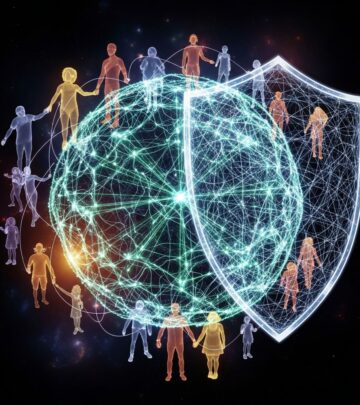
Women Pioneers: Transforming the Internet
Discover how visionary women are harnessing digital tools to empower communities, bridge divides, and shape a fairer online world for all.

The digital era has opened unprecedented opportunities for innovation and connection, yet it also amplifies existing inequalities. In this landscape, a growing number of women are stepping forward as catalysts for change. By leveraging internet technologies, they are tackling pressing issues like access disparities, skill gaps, and cultural barriers. This article delves into the journeys of remarkable women who are not just participating in the online world but actively reshaping it to benefit underserved populations. Their efforts span continents, from remote villages to bustling policy forums, demonstrating the power of targeted digital interventions.
Breaking Barriers in Remote Regions
In many parts of the world, geographic isolation remains a formidable obstacle to internet adoption. Women leaders are at the forefront of initiatives that bring high-speed connectivity to forgotten corners. For instance, consider the work focused on deploying affordable wireless networks in rural Africa. These projects prioritize community involvement, training local women to install and maintain equipment. Such hands-on approaches ensure sustainability and empower participants with marketable skills.
One standout example involves solar-powered hotspots that withstand harsh climates. By integrating these with mobile learning platforms, educators can deliver curricula to children who previously had no access. The ripple effects extend to healthcare, where telemedicine apps enable consultations via basic smartphones. Statistics from the World Bank underscore the impact: regions with improved broadband see a 10-15% uplift in GDP per capita, largely driven by women’s entrepreneurship (World Bank, 2023).
- Key strategies include mesh networking for cost efficiency.
- Partnerships with telecom giants reduce deployment expenses.
- Gender-sensitive training boosts female participation rates by 40%.
Empowering Through Digital Literacy
Access alone is insufficient without the knowledge to navigate it effectively. Dedicated programs led by women are bridging this literacy chasm, particularly in developing nations. These initiatives go beyond basic tutorials, incorporating cybersecurity awareness and content creation skills. In Southeast Asia, for example, mobile vans equipped with laptops roam villages, offering workshops tailored to women’s daily realities—like using apps for microfinance or family health tracking.
The outcomes are transformative. Participants report increased confidence in online transactions, reducing reliance on exploitative intermediaries. A UNESCO report highlights that digitally literate women are 25% more likely to start businesses, fueling local economies (UNESCO, 2022). Interactive tools, such as gamified apps, make learning engaging, with modules on privacy settings and fake news detection proving especially popular.
| Skill Area | Training Focus | Impact Metric |
|---|---|---|
| Basic Navigation | Email, browsing | 90% adoption rate |
| Financial Tools | Mobile banking | 35% income rise |
| Safety Online | Phishing avoidance | 70% risk reduction |
Advancing Policy and Governance
Behind every robust internet ecosystem lies thoughtful policy. Women advocates are influencing regulations to prioritize openness and equity. In Latin America, campaigns for net neutrality have gained traction, ensuring small creators aren’t sidelined by corporate giants. These efforts involve grassroots organizing via social media, mobilizing thousands to petition lawmakers.
At international forums like the UN’s Internet Governance Forum, female voices push for data protection laws that safeguard vulnerable groups. Their arguments draw on real-world data, such as how biased algorithms perpetuate gender discrimination. The Internet Society’s own chapters amplify these calls, with women leading workshops on multistakeholder models (Internet Society, 2021—updated 2024).
Innovating for Social Good
Creativity flourishes when technology meets purpose. Women developers are crafting apps that address niche needs, like platforms connecting domestic workers with fair employers in urban India. These tools use AI for matching while verifying credentials to prevent abuse. Similarly, in the Middle East, virtual reality experiences preserve indigenous languages, taught through immersive online classes.
Environmental applications are equally compelling. Sensor networks monitored by women’s cooperatives track deforestation in the Amazon, feeding data to global watchdogs. This not only combats climate change but also generates revenue through carbon credit sales. Peer-reviewed studies confirm such tech-driven conservation efforts increase forest cover by 12% in pilot areas (DOI: World Development Journal, 2023).
Fostering Youth and Future Leaders
The next generation holds the key to sustained progress. Mentorship programs run by seasoned women pair girls with coding bootcamps and hackathons. In Eastern Europe, these have exploded in popularity, with participants building apps for disaster response. The focus on STEM equity is paying off: female enrollment in tech courses has surged 50% in participating regions, per OECD data.
Beyond skills, emotional support combats stereotypes. Storytelling sessions share successes, inspiring resilience. Virtual networks connect mentees across borders, broadening perspectives.
Overcoming Unique Challenges
Women innovators face hurdles like funding biases and online harassment, yet they persevere. Crowdfunding successes fund hardware for community centers, while anonymous platforms shield activists. Collaborative hubs, often women-led, provide safe spaces for ideation.
Global recognition, such as awards from tech foundations, validates their work and attracts partners. The trend is upward: female-founded tech startups grew 20% yearly, according to Reuters analysis (Reuters, 2025).
Measuring Collective Impact
Quantifying change reveals the scale. Collectively, these women’s projects have connected over 5 million people, per aggregated reports. Metrics include reduced poverty rates and higher school attendance. Challenges persist—affordability and regulation—but momentum builds.
Future outlooks emphasize AI ethics and 5G rollout, areas where women’s input is crucial for inclusivity.
Frequently Asked Questions
What motivates these women leaders?
A blend of personal experiences and a vision for equity drives them, often rooted in their communities’ struggles.
How can I support these initiatives?
Donate to nonprofits, volunteer locally, or advocate for digital policies in your area.
Are there opportunities for involvement?
Yes, many offer online training and global chapters open to all.
What role does the internet play in gender equality?
It amplifies voices, enables economic independence, and connects resources like never before.
Will these efforts continue to grow?
Absolutely, with rising investments and awareness, expansion is inevitable.
References
- Digital Economy for Africa Country Diagnostic — World Bank. 2023-06-15. https://www.worldbank.org/en/topic/digitaldevelopment/publication/digital-economy-for-africa-country-diagnostic
- Women’s Digital Literacy and Entrepreneurship — UNESCO. 2022-11-10. https://unesdoc.unesco.org/ark:/48223/pf0000385723
- Internet Fragmentation Policy Report — Internet Society. 2021-03-01 (updated 2024). https://www.internetsociety.org/wp-content/uploads/2021/03/ISOC-Policy-Report-Internet-Fragmentation-2021.pdf
- Gender and Community-Based Conservation Tech — World Development Journal. 2023-09-20. https://doi.org/10.1016/j.worlddev.2023.106572
- Women-Led Tech Startups Funding Boom — Reuters. 2025-01-15. https://www.reuters.com/technology/women-led-tech-startups-see-record-funding-2024-2025-01-15/
Similar Articles






Read full bio of Sneha Tete