How a US TikTok Ban Could Reshape the Global Internet
Exploring the far-reaching consequences of platform bans on digital freedom and interconnected economies worldwide
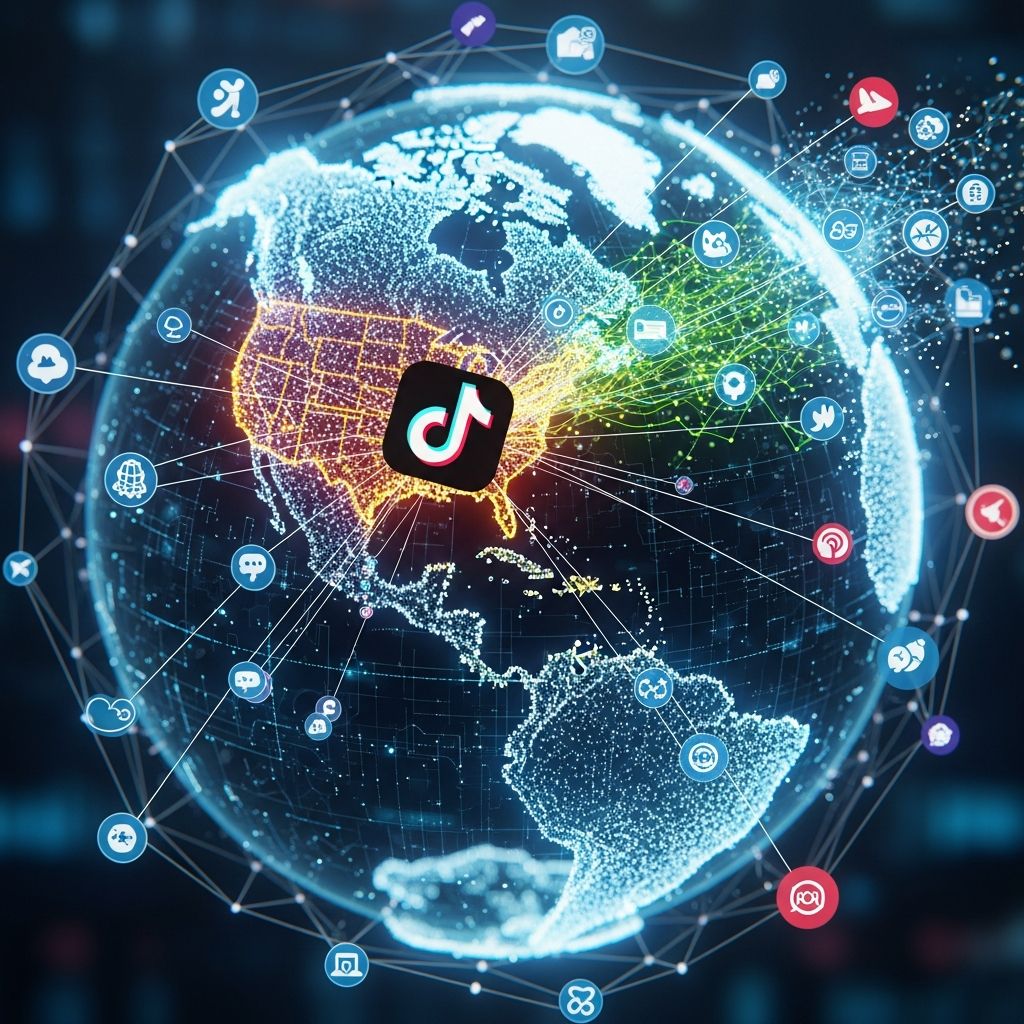
The decision regarding TikTok in the United States carries implications that extend far beyond a single nation or one particular application. This situation represents a critical juncture in how governments worldwide approach digital platforms and internet governance. When powerful nations take action against specific online services, they establish precedents that ripple across borders, influencing how other countries craft their own digital policies. Understanding these broader consequences requires examining multiple dimensions: the threat to internet openness, economic repercussions across industries, and the erosion of principles that have long supported a globally connected digital ecosystem.
The Precedent Problem: Why Single-Nation Bans Matter Globally
When the United States considers banning a particular application, it does more than affect American users and businesses. It signals to other nations that governmental bans on digital services are acceptable policy tools. This creates what experts describe as a dangerous acceleration of a troubling trend—the fragmentation of what was once envisioned as a unified, borderless internet.
Throughout the past several years, numerous countries have implemented bans on various platforms and applications. India prohibited TikTok and dozens of applications connected to Chinese technology companies in 2020 following geopolitical tensions. Senegal blocked the service in 2023 citing concerns about political content. Albania announced restrictions that were set to take effect shortly afterward. Nepal initially restricted access but subsequently reversed that decision. These actions demonstrate that countries are increasingly willing to use platform bans as a policy instrument.
The concerning aspect of this pattern is the domino effect. When a major technological power like the United States implements such a ban, it legitimizes the approach for other nations. Countries that might have hesitated to restrict platforms now feel justified in doing so. This fragmentation undermines the fundamental architecture of the internet—a system designed to connect rather than divide.
The Internet Society’s Warning
Organizations dedicated to internet governance and digital rights have consistently warned against this approach. These institutions argue that while specific concerns about individual platforms may be legitimate, the remedy of outright bans creates more problems than it solves. There exist alternative mechanisms to address legitimate security, privacy, and data protection concerns without resorting to complete platform prohibitions.
Economic Disruptions: Business, Employment, and Market Dynamics
Beyond abstract principles about internet openness, a TikTok ban would generate concrete economic consequences across multiple sectors and regions.
Small Business and Marketing Ecosystems
Small and medium-sized enterprises have increasingly depended on TikTok as an affordable marketing channel. The platform provided targeted advertising capabilities and opportunities for organic reach that were previously difficult to achieve with limited budgets. Many businesses, particularly those targeting younger demographics, have built substantial portions of their customer acquisition strategies around TikTok’s unique algorithm and community features.
If this platform disappeared, these businesses would face difficult choices. Migrating to alternative platforms such as Instagram, YouTube, or emerging competitors would likely require higher advertising expenditures. These platforms typically operate different cost structures and audience targeting mechanisms. The result would be reduced visibility for many small enterprises and potential revenue decline, particularly for businesses in creative industries, e-commerce, and direct-to-consumer sectors.
Employment Consequences
Economic analysis suggests that significant employment disruptions could follow a ban. Companies heavily integrated with TikTok as a customer acquisition channel might need to reduce payroll to adapt to decreased engagement and sales. Content creators who built careers on the platform—including those who generate income through sponsorships, merchandise sales, and creator funds—would lose their primary earning source. This category includes professional videographers, musicians, educators, and entrepreneurs who have established sustainable businesses through TikTok content creation.
Regional Economic Variations
The economic impact would manifest differently across geographic regions. The United States would experience costs related to business adaptation and labor market adjustments. European economies, with their numerous small and medium businesses, could face particular challenges as these enterprises struggle with expensive alternative marketing solutions. Meanwhile, other nations might view this disruption as an opportunity to advance their own digital platforms and strategies, potentially accelerating the development of regional alternatives.
Data, Security, and the Complexity of Legitimate Concerns
It is important to acknowledge that concerns about data security, platform manipulation, and potential geopolitical risks are not baseless. Investigations have documented instances where platform employees mishandled sensitive information, including unauthorized access to journalists’ personal data and mismanagement of financial information belonging to creators and advertisers. Reports have identified content suppression patterns and influence operations. These issues represent genuine problems that merit serious policy attention.
However, the existence of legitimate concerns does not automatically make platform bans the appropriate remedy. Many of these issues—data protection, transparency requirements, content moderation accountability—can be addressed through regulatory frameworks that establish clear standards without requiring complete service removal.
Internet Fragmentation: The Long-Term Vision Problem
The vision that has guided internet development since its early days involves creating a globally connected system where information flows across borders and individuals can access diverse content regardless of geography. Platform bans represent a fundamental departure from this vision, moving instead toward what researchers describe as a fragmented internet.
When billions of people experience different online environments based on geography, the internet becomes less of a unified system and more of a collection of regional networks. This fragmentation affects how people connect with communities, access educational content, discover creative works, and participate in economic opportunities. A user in one country might have access to services and communities that remain completely unavailable to users in another country.
Inconsistent Global Standards
As different nations implement their own restrictions on various platforms and services, users experience increasingly inconsistent digital environments. This creates practical problems for businesses operating internationally, individuals with cross-border relationships, and the overall efficiency of digital markets. Technology companies face pressure to maintain different versions of their services for different regions, increasing complexity and costs.
Comparative Policy Approaches Around the World
Various nations have adopted different strategies for addressing concerns about specific platforms:
- Government Device Restrictions: NATO member nations and countries including Australia, Canada, Denmark, France, and others have prohibited TikTok on government-issued devices while maintaining broader public availability
- Temporary Suspensions: Some nations including Bangladesh, Belgium, Indonesia, and Pakistan have implemented temporary bans while evaluating long-term policy approaches
- Complete Prohibitions: India and Afghanistan implemented comprehensive bans affecting all users within their territories
- Regulatory Alternatives: Some jurisdictions have opted for enhanced oversight, transparency requirements, and data protection regulations rather than bans
The Reciprocal Response Dynamic
When powerful nations implement bans against services from other countries, they often trigger retaliatory measures. China, for instance, has prohibited American social media applications, creating a tit-for-tat escalation that further fragments the global internet. These reciprocal actions suggest that ban-based approaches create cycles of restriction rather than resolving underlying concerns.
Alternative Mechanisms for Addressing Platform Concerns
Policymakers possess several tools beyond bans that can address legitimate security and privacy concerns:
- Data Localization Requirements: Mandating that certain categories of user information remain stored within national borders
- Transparency Obligations: Requiring platforms to disclose algorithmic decision-making processes and content moderation practices
- Audit Rights: Granting regulatory bodies authority to examine platform operations and security measures
- Restricted Data Flows: Limiting which third parties can access specific information categories
- Enhanced Consent Mechanisms: Requiring explicit user approval for certain data practices
Livelihoods and Individual Impact
Beyond macroeconomic effects, platform bans create disruptions in individual lives and communities. Millions of people use these services to maintain connections with friends and family across distances. Students and educators utilize platforms for learning content. Artists, musicians, and performers reach audiences and monetize creative work. Activists and marginalized communities find voice and support networks. A platform ban removes these opportunities without necessarily providing alternatives.
The Path Forward: Balancing Concerns with Connectivity
Moving forward, policymakers face a genuine challenge: how to address legitimate concerns about data security, platform manipulation, and geopolitical risks while preserving the benefits of an open, connected internet. This balance is difficult but achievable through comprehensive regulatory approaches that establish clear standards, enforce transparency, and create accountability mechanisms without resorting to complete service prohibitions.
The decision made regarding TikTok will send signals to policymakers worldwide about whether governments view bans as acceptable solutions to platform-related challenges. A US ban would likely accelerate similar restrictions globally, further fragmenting the internet and limiting the opportunities that digital connectivity provides. Conversely, a regulatory approach addressing specific concerns would demonstrate that governance and security can be achieved without sacrificing the principles of internet openness that have enabled unprecedented global connection and opportunity.
Conclusion
The implications of a US TikTok ban extend far beyond the United States or even the platform itself. Such action would establish precedents affecting how nations approach digital governance, reshape global economic relationships, and potentially undermine the foundational principles of an interconnected internet. While legitimate concerns about data security and platform accountability deserve serious attention, complete bans represent a blunt instrument with significant collateral damage. As global stakeholders consider this decision, they must weigh immediate security concerns against long-term costs to internet openness, economic opportunity, and the fundamental vision of a connected world. The choice made now will influence digital policy trajectories for years to come.
References
- The Global Impact of a US TikTok Ban — Internet Society. 2025-01-15. https://www.internetsociety.org/blog/2025/01/the-global-impact-of-a-us-tiktok-ban/
- Experts say banning TikTok will impact multiple economies — Michigan State University Global Edge. 2024. https://globaledge.msu.edu/blog/post/58469/experts-say-banning-tiktok-will-impact-m
- What Global Ripple Effects Could the US TikTok Ban Have? — Northeastern University News. 2024-12-06. https://news.northeastern.edu/2024/12/06/tiktok-ban-united-states/
- US: TikTok ban won’t solve Big Tech harms — Amnesty International. 2025-01. https://www.amnesty.org/en/latest/news/2025/01/us-tiktok-ban-wont-solve-big-tech-harms/
- Is the new US TikTok safer? — Harvard Law School. 2026-01. https://hls.harvard.edu/today/is-the-new-us-tiktok-safer/
- TikTok Ban: Effects on Individuals and Society in the Absence of the App — Kentucky Law Journal. https://www.kentuckylawjournal.org/blog/tiktok-ban-effects-on-individuals-and-society-in-the-absence-of-the-app
Similar Articles







Read full bio of Sneha Tete