Unlocking Africa’s Digital Goldmine
Africa's internet boom could add $180B to GDP by 2025—discover strategies to seize this transformative opportunity for growth and jobs.
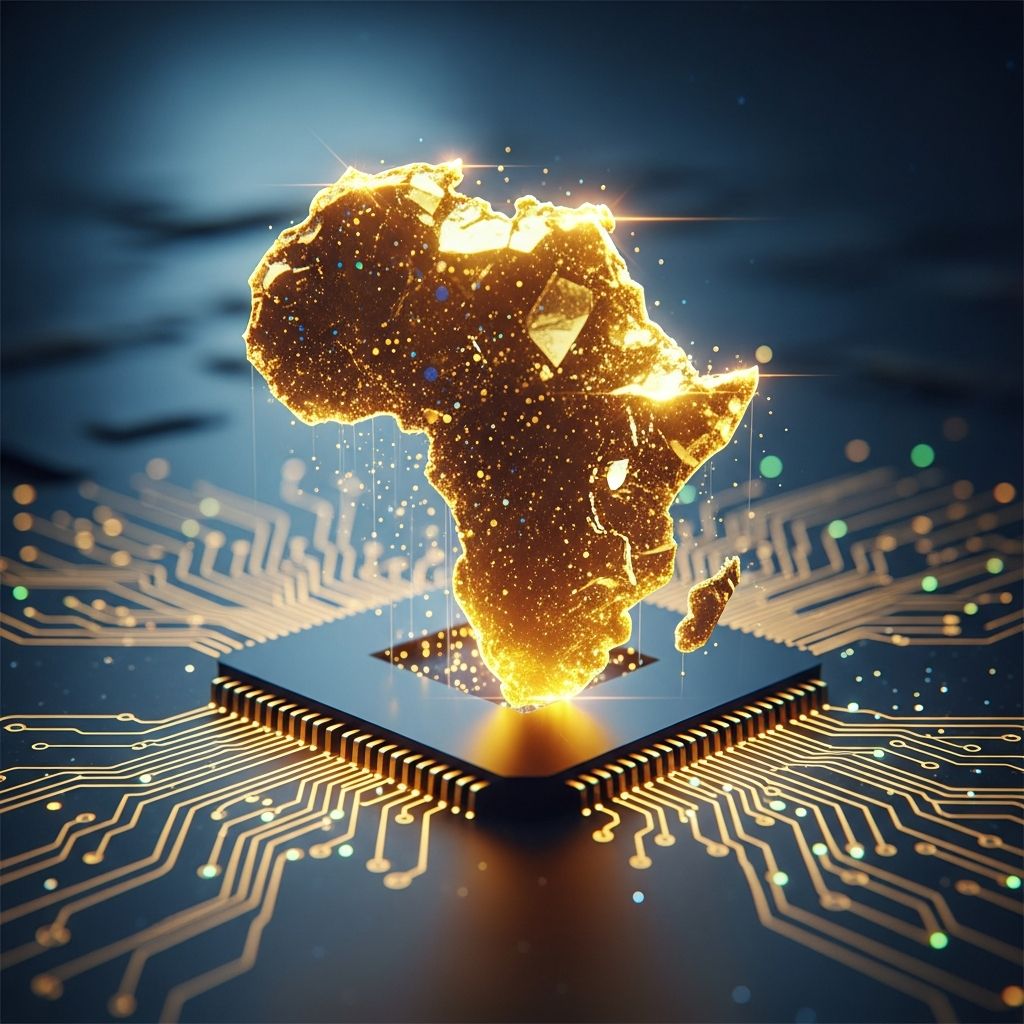
Africa stands at the cusp of an unprecedented economic transformation powered by the internet. With a burgeoning young population, rapid urbanization, and initiatives like the African Continental Free Trade Area (AfCFTA), the continent is poised to harness digital technologies for massive growth. Projections indicate the internet economy could inject up to $180 billion into Africa’s GDP by 2025, boosting productivity across traditional sectors and spawning innovative startups. This article delves into the drivers, challenges, and actionable pathways to realize this potential, drawing on credible data and strategies.
Demographic Dynamos: Youth and Urbanization Fuel Demand
Africa’s population is the world’s youngest and fastest-growing, with over 60% under 25 years old. This demographic dividend, combined with rising urbanization—expected to see 50% of Africans living in cities by 2030—creates fertile ground for digital adoption. Urban hubs like Lagos, Nairobi, and Johannesburg are becoming tech epicenters, attracting talent and investment.
Improved education and longevity are amplifying online service consumption, from e-learning to fintech. Rural areas, too, stand to gain through mobile internet, bridging gaps in healthcare and agriculture. According to the Google and IFC e-Conomy Africa 2020 report, these trends position Africa for resilient growth even amid global disruptions like COVID-19.1
- Young workforce driving app development and digital services.
- Urban concentration fostering developer ecosystems and investor interest.
- Rural inclusion via mobile solutions reaching 1.3 billion people.
Infrastructure Imperative: Building Reliable Connectivity
Affordable, high-speed broadband is the foundation of any thriving digital economy. Africa lags with internet penetration at around 40%, but investments in undersea cables, 5G, and satellite tech like Starlink are accelerating change. The Broadband Commission advocates a ‘digital moonshot’ for universal access by 2030 through public-private partnerships.2
Governments must prioritize spectrum allocation, reduce taxes on devices, and subsidize rural connectivity. Success stories include Kenya’s M-Pesa revolutionizing payments and Rwanda’s fiber-optic rollout enabling smart cities.
| Region | Current Penetration | Projected 2025 Growth |
|---|---|---|
| East Africa | 45% | +25% |
| West Africa | 38% | +30% |
| Southern Africa | 55% | +20% |
Enhancing infrastructure not only spurs e-commerce but also optimizes supply chains and education delivery.
Startup Surge: Innovators Tackling Local Challenges
African entrepreneurs are leveraging digital tools to solve pressing issues. Fintech firms like Flutterwave and Paystack enable seamless cross-border payments, while agritech platforms such as Twiga Foods connect farmers to markets. During the pandemic, startups pivoted to telehealth and e-learning, proving resilience.
Venture capital hit record highs in 2021, surpassing $5 billion, per Partech Africa, though still low relative to population size—offering first-mover advantages. Incubators in hubs like Cape Town’s Silicon Cape nurture talent, emphasizing women-led ventures for inclusive growth.3
- Fintech: 40% of VC funding, powering financial inclusion.
- Healthtech: Remote diagnostics for underserved areas.
- E-commerce: AfCFTA unlocking intra-African trade.
Digitizing Traditional Sectors: From Farm to Finance
The internet’s true power lies in amplifying traditional industries, which account for 75% of growth impacts globally, per McKinsey. In Africa, digitization can yield $300 billion in productivity gains by 2025 across agriculture, manufacturing, and services.4
Agriculture, employing 60% of the workforce, benefits from precision farming apps predicting weather and optimizing yields. Financial services see mobile money transactions exceeding $500 billion annually. Education platforms like Andela train coders for global jobs, while logistics apps streamline trade under AfCFTA.
Policy and Collaboration: Governments as Catalysts
Robust policies are essential. The African Union’s Digital Transformation Strategy (2020-2030) calls for harmonized regulations, data protection, and skills development.5 Public-private partnerships (PPPs) can fund infrastructure, as seen in Nigeria’s universal service provision fund.
International bodies like the World Bank emphasize inclusive strategies, warning against digital divides exacerbating inequality. Tax incentives for tech investments and open data policies will attract FDI.
Overcoming Hurdles: Addressing Barriers to Scale
Challenges persist: high data costs, power outages, and low digital literacy. Cybersecurity threats rise with adoption, necessitating frameworks like Nigeria’s Data Protection Act. Gender gaps—women are 37% less likely to use internet—demand targeted interventions.6
Solutions include community networks, solar-powered base stations, and literacy campaigns. Regional integration via AfCFTA reduces trade barriers, boosting e-commerce from 2% to 10% of GDP.
Future Horizons: A Pan-African Digital Powerhouse
By 2030, Africa’s internet economy could rival emerging markets like India. Platforms enabling marketplaces, AI-driven analytics, and blockchain for supply chains will dominate. With AfCFTA creating a 1.3 billion-person market, intra-continental trade could triple.
Sustainability is key: green data centers and equitable access ensure long-term viability. The continent’s leapfrogging—skipping legacy systems—positions it as a global innovator.
FAQs
What is Africa’s internet economy projected to contribute to GDP?
Up to $180 billion by 2025, driven by e-commerce, fintech, and productivity gains.
How does AfCFTA impact digital growth?
It creates the world’s largest free trade area, facilitating cross-border e-commerce and reducing tariffs.
Which sectors benefit most from digitization?
Agriculture, finance, healthcare, and education see the highest productivity boosts.
What role do startups play?
They innovate solutions for local problems, attracting VC and creating jobs.
How can governments accelerate progress?
Through infrastructure investment, policy reforms, and PPPs for universal broadband.
References
- e-Conomy Africa 2020: Making the Internet a Catalyst for Growth — Google & IFC. 2020-10-13. https://www.ifc.org/en/insights-reports/2020/e-conomy-africa-2020-making-the-internet-a-catalyst-for-growth
- Connecting Africa Through Broadband — Broadband Commission. 2019-09. https://www.broadbandcommission.org/wp-content/uploads/2019/10/BBC19_WG_Broadband-for-All_Report.pdf
- African Tech VC Report — Partech Africa. 2021-12. https://www.partechpartners.com/african-tech-vc-2021
- Internet Economy Indicators — Internet Society. 2017-11. https://www.internetsociety.org/resources/doc/2017/africa-internet-economy/
- Digital Transformation Strategy for Africa (2020-2030) — African Union. 2020-05. https://au.int/en/documents/20200518/digital-transformation-strategy-africa-2020-2030
- Digital Economy for Africa Country Diagnostic: Sudan — World Bank. 2022-06. https://thedocs.worldbank.org/en/doc/61714f214ed04bcd6e9623ad0e215897-0400012021/related/Digital-Economy-RepSudan-jun22.pdf
Similar Articles








Read full bio of Sneha Tete