Smart Toys Privacy Risks
Discover the hidden privacy dangers in children's smart toys and learn essential tips to protect your family's data in the connected world.
Smart Toys Privacy Risks: Protecting Kids in the Age of Connected Play
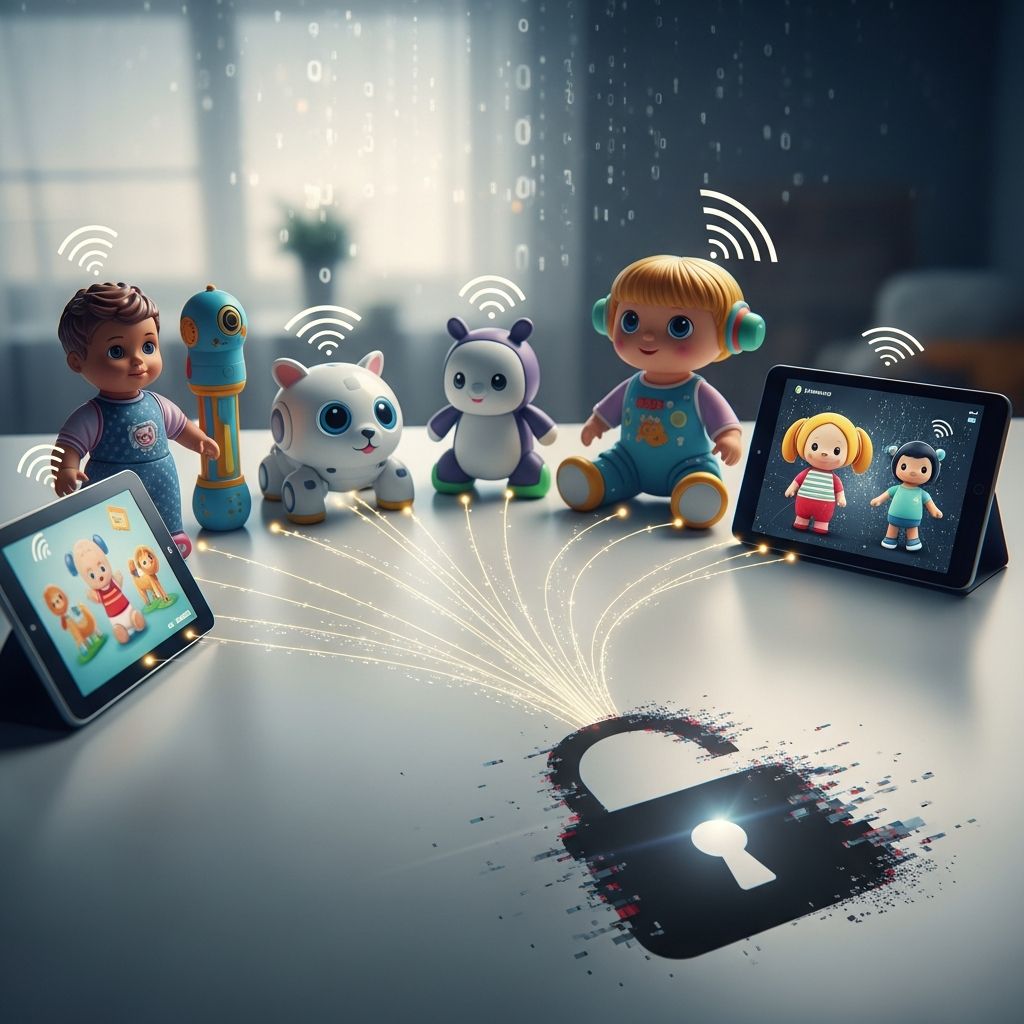
Interactive toys have transformed childhood entertainment, blending artificial intelligence, internet connectivity, and sensors into cuddly companions and educational gadgets. From talking teddy bears to robotic pets, these smart toys promise endless fun and learning. However, beneath the appealing features lie significant privacy vulnerabilities that expose children’s personal information to hackers, manufacturers, and even foreign governments. Recent investigations reveal widespread flaws in data handling, prompting urgent calls from U.S. officials and researchers for better safeguards.
The Rise of Smart Toys and Hidden Dangers
The market for connected toys has exploded, with millions of units sold annually. Devices like AI-powered clip-ons and desk robots integrate microphones, cameras, GPS, and cloud storage to personalize interactions. While parents appreciate the educational value, these features enable constant data collection on voices, locations, conversations, and behaviors. A single toy can capture a child’s name, school details, home address, and daily routines through casual play.
U.S. officials have flagged specific products, such as BubblePal, a China-made device using advanced language models. Since its launch, over 200,000 units have entered homes, storing sensitive voice data in clouds accessible under foreign laws. This isn’t isolated; audits of popular toys show common issues like unencrypted transmissions and weak Bluetooth protections, allowing remote eavesdropping or manipulation.
Key Privacy Threats Exposed by Experts
- Data Harvesting Without Consent: Toys record interactions and share them with third parties for ‘improvement,’ often without clear parental disclosure. Behavioral profiles build detailed dossiers on kids.
- Surveillance Vulnerabilities: Microphones pick up ambient conversations, risking exposure of family secrets or locations via GPS.
- Hacking Risks: Poor encryption lets attackers activate cameras, send malicious audio, or track devices, turning toys into spying tools.
- Identity Exploitation: Collected info like voices and photos fuels fraud or grooming by predators exploiting children’s trust.
These threats compound for young users, who can’t consent to data practices. Physical safety is also at stake if location data reveals unsupervised play areas.
Real-World Breaches and Official Responses
History is littered with failures. The FTC fined Amazon $25 million in 2023 for retaining children’s Alexa recordings despite deletion requests—a pattern echoed in toys. Earlier, CloudPets toys were pulled after hackers accessed 800,000+ voice clips. FBI advisories urge cybersecurity checks before purchase, highlighting toys’ sensors as privacy pitfalls.
Recent 2025 audits by independent firms tested ten global bestsellers, uncovering flaws in 70% of them. Emo Robot, for instance, allowed speaker hijacking for inappropriate messages. European studies on toys like Toniebox and Tiptoi found unencrypted traffic and opaque data flows, violating GDPR basics.
| Toy Feature | Risk Example | Potential Impact |
|---|---|---|
| Microphone/Camera | Remote activation | Eavesdropping on home |
| Cloud Storage | Weak encryption | Data leaks to hackers |
| Bluetooth/Wi-Fi | Default passwords | Unauthorized control |
| GPS Tracking | Always-on sharing | Location stalking |
Regulatory Gaps and Manufacturer Practices
Current laws lag behind tech. While COPPA mandates parental consent for U.S. sites collecting kids’ data under 13, many toys skirt rules via apps or bypass verification. Chinese-made devices face extra scrutiny due to national laws compelling data handover. Researchers advocate labeling like food nutrition facts, rating security and privacy.
Manufacturers claim data optimizes features like voice recognition, but apps demand excessive permissions—geolocation for storytime? Transparency is rare; privacy policies bury details in fine print.
Practical Steps for Safe Shopping
- Research Thoroughly: Check privacy policies, third-party audits, and user reviews for data practices. Avoid toys requiring excessive app permissions.
- Prioritize Security: Seek end-to-end encryption, local processing over cloud, and automatic deletion features.
- Limit Connectivity: Use offline modes; cover cameras/mics when idle. Segment networks for IoT devices.
- Monitor Accounts: Regularly review and delete stored data; enable multi-factor authentication.
- Opt for Alternatives: Choose non-smart toys or vetted brands with strong track records.
Parents should treat smart toys like any IoT device: update firmware, change defaults, and isolate from main networks using guest Wi-Fi.
Future Outlook: Toward Safer Play
Industry shifts are emerging. Some firms now offer privacy-by-design, with on-device AI minimizing cloud reliance. Advocacy groups push for mandatory standards, inspired by EU probes. As AI toys proliferate, empowered consumers drive change—boycott risky products and demand accountability.
Ultimately, the joy of play shouldn’t compromise safety. By staying vigilant, parents can harness smart toys’ benefits without the pitfalls.
Frequently Asked Questions (FAQs)
Are all smart toys unsafe?
No, but most have flaws. Audits show 70%+ vulnerabilities; vet carefully.
What data do smart toys collect?
Voices, locations, behaviors, names, and ambient audio—often shared with servers.
Can I use smart toys offline?
Many support it, reducing risks. Check specs and disable connectivity.
What if my child’s toy is hacked?
Disconnect immediately, change credentials, report to manufacturer/FTC, and monitor accounts.
Which toys are safest?
Look for GDPR-compliant, audited models with local processing like certain European brands.
References
- Fact Check Team: AI Toys Spark Privacy Concerns — KATV. 2025. https://katv.com/news/nation-world/fact-check-team-ai-toys-spark-privacy-concerns-as-usv-officials-urge-action-data-risks-children
- Internet-connected Toys and Privacy Concerns for Children — FBI via TowneBank. 2023-09-01. https://www.townebank.com/personal/resource/security/digital/internet-toys/
- Privacy Review: Toys Report — Mozilla Foundation / 7ASecurity. 2025. https://www.mozillafoundation.org/en/nothing-personal/toys-data-security-safety-report-2025/
- We Tested Kids’ Smart Toys for Privacy — The Markup. 2024-03-28. https://themarkup.org/privacy/2024/03/28/we-tested-kids-smart-toys-for-privacy-heres-how-you-can-too
- Are interactive toys spying on young children? — IBSA Foundation / University of Basel. 2024. https://www.ibsafoundation.org/en/blog/games-for-children-secretly-collect-data
- How smart toys may be spying on kids — TechXplore / University of Basel. 2024-08. https://techxplore.com/news/2024-08-smart-toys-spying-kids-parents.html
Similar Articles






Read full bio of Sneha Tete