Smart Tech for Heart Wellness
Discover how wearable gadgets and apps empower you to track heart metrics, spot risks early, and build lifelong cardiovascular habits.
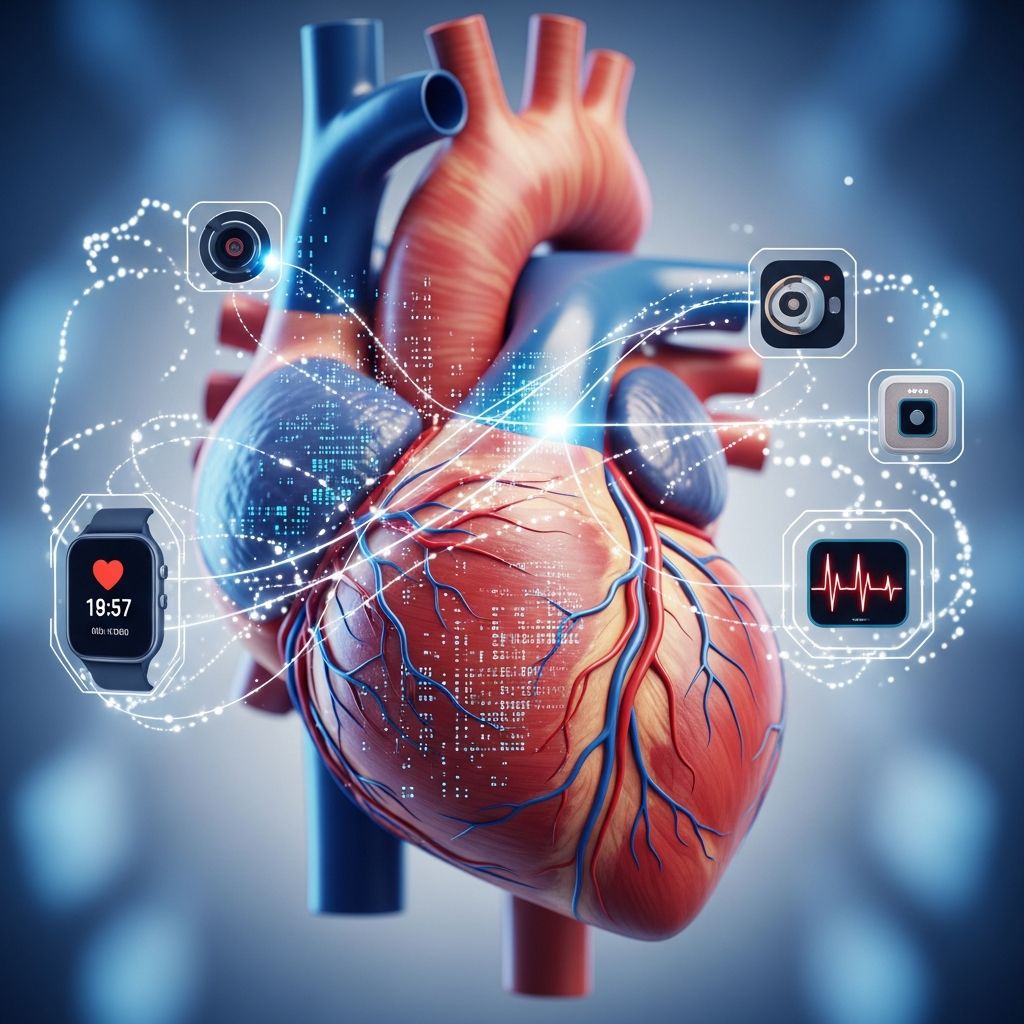
In an era where technology intertwines with daily life, maintaining cardiovascular health has become more accessible than ever. Wearable devices and mobile applications offer continuous monitoring of vital signs, empowering individuals to take proactive steps toward preventing heart disease. These tools track everything from heart rate variability to activity levels, providing data that can alert users to potential issues before they escalate. This article delves into how these innovations are transforming personal heart care, drawing on validated research to highlight their effectiveness and limitations.
Understanding Cardiovascular Monitoring Basics
Heart health monitoring begins with understanding key metrics. Heart rate, measured in beats per minute (bpm), varies with activity, rest, and stress. Resting heart rates typically range from 60-100 bpm for adults, but athletes often see lower values. Devices use photoplethysmography (PPG), a light-based sensor, to detect blood flow changes and calculate these rates non-invasively.
Beyond basic rate tracking, advanced features detect irregularities like atrial fibrillation (AFib), a common arrhythmia increasing stroke risk. ECG-capable wearables record electrical heart activity, mimicking clinical electrocardiograms. Blood oxygen saturation (SpO2) and sleep tracking also contribute to a holistic view, as poor sleep correlates with hypertension and heart strain.
- PPG for continuous heart rate and rhythm analysis
- ECG for on-demand arrhythmia detection
- SpO2 to assess respiratory efficiency during sleep
- Activity and calorie burn for lifestyle insights
Top Wearable Devices Revolutionizing Heart Tracking
Leading smartwatches and fitness bands integrate sophisticated sensors for reliable heart data. Apple Watch Series with FDA-cleared AFib detection uses optical sensors and user-initiated ECGs, notifying of irregular rhythms. Studies validate its 98% sensitivity for AFib in controlled settings.
Samsung Galaxy Watch employs similar PPG and ECG tech, adding body composition analysis for weight-related heart risk assessment. Fitbit devices excel in sleep staging and readiness scores, linking recovery to heart strain. Emerging smart rings like Oura provide discreet 24/7 monitoring with high accuracy in heart rate variability (HRV), a marker of autonomic nervous system balance.
| Device | Key Heart Features | FDA Clearance | Battery Life |
|---|---|---|---|
| Apple Watch | AFib notifications, ECG app | Yes | 18-24 hours |
| Fitbit Charge | HRV tracking, SpO2 | Partial | 7 days |
| Oura Ring | Continuous HR, readiness score | No | 7 days |
| Garmin Vivosmart | VO2 max, stress tracking | Partial | 7 days |
Chest straps like Polar H10 offer medical-grade accuracy for athletes, syncing via Bluetooth to apps for real-time feedback during workouts.
How These Devices Detect and Prevent Heart Risks
Wearables shine in early detection. For AFib, algorithms analyze PPG signals for irregular patterns, prompting ECG confirmation. A Cleveland Clinic Journal study found consumer devices achieve 96.9% sensitivity when paired with manual ECG review.1 This is crucial, as undiagnosed AFib affects millions, heightening stroke odds by fivefold.
Preventive benefits stem from behavioral nudges. Devices set step goals (aim for 10,000 daily), remind to stand, and track exercise intensity via heart rate zones. Johns Hopkins research shows tracker users increase daily steps by over 1 mile, correlating with lower BMI and blood pressure.2 Integration with apps like MyFitnessPal allows dietary logging tied to heart metrics.
Remote monitoring extends to high-risk patients. Data shares with physicians via secure portals, enabling timely interventions without constant clinic visits.
Integrating Smart Tech into Daily Routines
Start by selecting a device matching your needs—wrist-based for convenience or ring for subtlety. Calibrate during rest for baseline accuracy. Wear consistently, especially overnight for sleep data. Apps visualize trends: weekly HRV charts reveal stress impacts, motivating meditation or reduced caffeine.
Combine with lifestyle tweaks. Use guided workouts for aerobic zones (50-70% max HR), where max HR approximates 220 minus age. Track progress: a dropping resting HR signals improved fitness. Share reports with doctors during checkups for personalized advice.
- Establish baselines over 1-2 weeks
- Set realistic goals, e.g., 150 min moderate exercise weekly
- Review trends monthly, adjust habits
- Consult pros for abnormal alerts
Limitations and Best Practices for Reliable Data
No device replaces professional care. Tattoos, dark skin tones, or loose fits can skew PPG readings. Motion artifacts during intense exercise demand cross-verification with chest straps. False positives occur; a 25% inconclusive rate in some studies requires clinical follow-up.1
Maintain hygiene—clean sensors weekly. Update firmware for algorithm improvements. CardioSmart.org emphasizes partnership: use data to inform discussions, not self-diagnose.3 Pacemaker users should avoid magnetic-interfering devices.
Real-Life Impact: Stories from Users
David, a heart attack survivor, credits a chest-strap monitor for preventing recurrence by flagging anomalies during exercise.4 Tech enthusiasts report 79% noticing health gains from consistent tracking. Cardiologists note immediate treatment decisions from shared data, enhancing protocols.
Future Innovations in Heart Tech
Advancements promise non-invasive blood pressure via pulse transit time and AI-driven risk scores predicting events. Integration with smart homes could auto-adjust environments based on HR spikes. Heart Foundation research explores ecosystem approaches combining wearables with voice assistants for holistic care.5
Frequently Asked Questions
Are smartwatch heart readings accurate?
Validated devices match medical-grade tools 90-98% for AFib and HR, per peer-reviewed studies, but user factors affect precision.
Can wearables replace doctor visits?
No—they complement care by providing data between visits, not diagnosing conditions.
Which device is best for beginners?
Fitbit or Apple Watch offer user-friendly interfaces, reliable tracking, and app ecosystems.
Do they work for all skin tones?
Modern sensors improve inclusivity, but test personally and consult studies for specifics.
How to share data with my doctor?
Export PDF reports from apps or use patient portals like Apple Health export.
References
- Consumer-grade wearable cardiac monitors: What they do well, and what they do not — Cleveland Clinic Journal of Medicine. 2024-01-01. https://www.ccjm.org/content/91/1/23
- Could a Fitness Tracker Boost Your Heart Health? — Johns Hopkins Medicine. 2023-05-15. https://www.hopkinsmedicine.org/health/wellness-and-prevention/could-a-fitness-tracker-boost-your-heart-health
- Wearable Technology and Your Heart Health — CardioSmart for the American College of Cardiology. 2024-02-20. http://www.cardiosmart.org/topics/wearable-technology
- Wearable Device Helps Prevent Man’s Second Heart Attack — Cleveland Clinic. 2023-11-10. https://my.clevelandclinic.org/patient-stories/721-wearable-device-signals-heart-issue-helps-prevent-mans-second-heart-attack
- Capturing hearts with wearable devices and smart home technology — Heart Foundation. 2023-09-29. https://www.heartfoundation.org.au/world-heart-day
Similar Articles







Read full bio of Sneha Tete