Smart Home Device Explosion in 2026
Discover how U.S. households now average 25+ connected devices, driving network demands, AI integration, and energy savings in 2026.
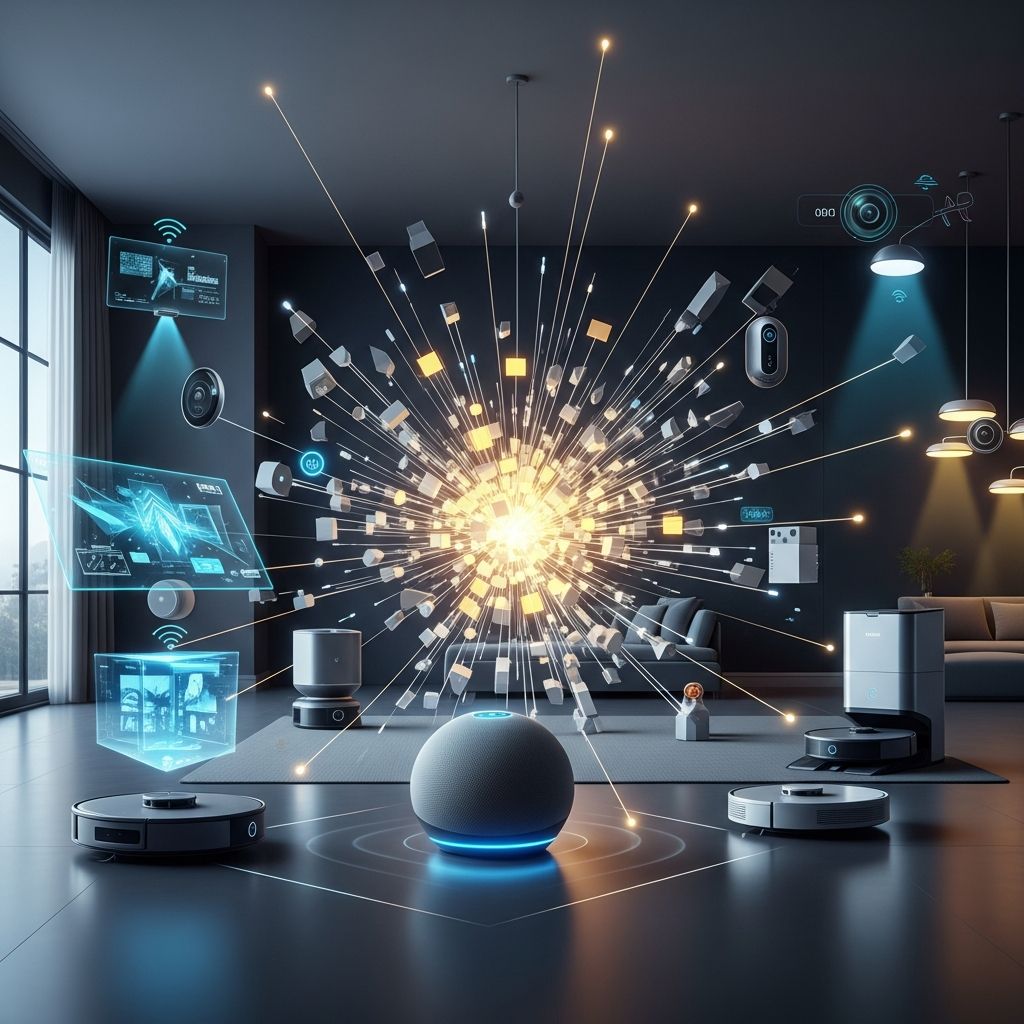
The landscape of residential technology has undergone a dramatic transformation by 2026. What began as isolated gadgets like voice assistants and basic bulbs has evolved into comprehensive ecosystems comprising dozens of interconnected components. American households now host an average of 25 to 30 smart devices, according to recent industry analyses, marking a significant leap from just a few years prior. This surge is fueled by enhanced affordability, seamless standards like Matter, and the demand for intelligent, self-managing homes. However, this proliferation places unprecedented strain on home Wi-Fi networks, necessitating smarter management strategies.
The Surge in Smart Device Adoption
Adoption rates have skyrocketed, with nearly 57% of U.S. households incorporating smart technology. Projections from market reports indicate this figure will climb to 59% by 2029, reflecting mainstream integration. The shift is evident in everyday living: lights that adjust to natural cycles, doors that unlock via facial recognition, and appliances that preheat based on your routine. Key drivers include plummeting device costs—smart plugs now retail under $30—and interoperability protocols that eliminate brand silos.
Families starting with 5-10 devices often expand rapidly. A typical progression might begin with a smart thermostat and speaker, then add cameras, locks, and bulbs. By year two, comprehensive setups exceed 20 items, blending security, convenience, and efficiency. This density enhances lifestyle quality but demands vigilant network oversight to prevent bottlenecks.
Breakdown of Popular Device Categories
Diverse categories dominate the market, each contributing unique value. Here’s a closer look at the leaders:
- Security and Surveillance: Video doorbells, indoor/outdoor cameras, and smart locks lead as entry points. AI-powered features like package detection and anomaly alerts command premium appeal, comprising the largest segment by volume.
- Climate Control: Thermostats now feature in 85% of new constructions, learning habits to optimize heating and cooling for substantial energy reductions.
- Illumination and Plugs: Color-changing bulbs and energy-monitoring plugs enable granular control, with average household counts reaching 10+ units.
- Entertainment Hubs: Streaming devices, sound systems, and AI screens create immersive zones.
- Appliances and Sensors: From robot vacuums to leak detectors, these add proactive maintenance layers.
| Device Type | Key Features | Avg. Household Count | Est. Price Range |
|---|---|---|---|
| Smart Thermostat | AI learning, geofencing, energy reports | 2-3 | $200-$300 |
| Security Camera/Doorbell | HD video, motion AI, cloud storage | 4-6 | $100-$250 |
| Smart Lock | Keyless, app access, auto-lock | 2-4 | $150-$300 |
| Smart Bulb/Plug | Scheduling, voice control, monitoring | 8-12 | $20-$60 |
| Robot Vacuum | Mapping, self-emptying, no-go zones | 1-2 | $400-$800 |
This table illustrates common setups, with totals easily surpassing 25 devices. Security remains the top gateway, drawing 40% of new users.
Network Infrastructure Challenges and Solutions
Wi-Fi routers from five years ago buckle under 25+ constant connections. Bandwidth hogs like 4K cameras and firmware updates cause lag, dropped signals, and frustration. Common symptoms include slow streaming, unresponsive controls, and frequent reboots.
To counter this:
- Upgrade to Wi-Fi 6E/7 Routers: These support 100+ devices with tri-band efficiency, MU-MIMO for simultaneous streams, and lower latency.
- Mesh Systems: Whole-home coverage eliminates dead zones; aim for systems handling 200 devices.
- Device Segmentation: VLANs isolate IoT from computers, boosting security and performance.
- Monitoring Apps: Tools reveal top bandwidth users, enabling prioritization.
- Thread/Matter Hubs: Offload low-bandwidth devices to dedicated low-power networks.
Providers like AT&T offer optimized gateways with AI traffic management, ensuring smooth operation even at peak loads.
AI and Interoperability: The Game Changers
Matter’s 2026 maturity sees over 80% of new devices compliant, enabling cross-brand harmony. No longer confined to ecosystems, users mix Philips Hue lights with Yale locks seamlessly. This has spurred a 15% annual rise in per-household device counts.
AI elevates this further via intent-based control. Large language models interpret “Prep for dinner party” to dim lights, cue music, and activate the oven. Platforms like Google Home and Apple HomeKit leverage machine learning for predictive actions—pre-cooling before arrival or alerting on unusual patterns. Personalization tailors experiences, learning preferences for lighting hues or thermostat settings per occupant.
Prioritizing Security in Dense Networks
More devices mean amplified risks. Weak defaults and legacy protocols invite exploits. Mitigation steps include:
- Unique, strong passwords with 2FA.
- Firmware auto-updates.
- Guest networks for visitors.
- Privacy-focused brands with local processing.
Surveys show 58% of users prioritize data security, pushing manufacturers toward transparent practices. Matter’s built-in encryption aids this shift.
Energy Savings and Sustainability Gains
Rising costs make smart energy indispensable. Thermostats slash bills by 20-30%, plugs track vampire power, and AI optimizes usage. In 2026, these aren’t luxuries—new homes mandate them, aligning with grid demands and eco-goals.
Future Outlook: Invisible Intelligence
By 2029, expect 60 million U.S. smart homes generating $50B revenue. Trends point to anticipatory systems: homes that self-diagnose issues, integrate health monitors, and adapt via edge AI. Privacy-respecting, subscription-light solutions will dominate.
Frequently Asked Questions
How many smart devices is normal in 2026?
Average U.S. households run 25-30, with enthusiasts exceeding 50. Start small and scale.
Can my router handle 25+ devices?
Wi-Fi 5 struggles; upgrade to 6E/7 or mesh for reliability.
Is Matter compatible with all brands?
Over 80% of 2026 devices support it, bridging ecosystems like Amazon, Google, and Apple.
Do smart homes save energy?
Yes, up to 30% via automation, with thermostats leading savings.
How to secure my smart network?
Segment traffic, update firmware, use strong credentials, and monitor activity.
References
- US Smart Home Market Report 2026: Trends & Forecasts — SourceReady. 2026. https://www.sourceready.com/report/detail/us-smart-home-market-report-2026
- Brilliant’s Smart Home Trends for 2026 — Brilliant Tech. 2026. https://www.brilliant.tech/blogs/news/brilliant-s-smart-home-trends-for-2026
- Best Smart Home Devices of 2026 — Taichuan Smart. 2026. https://www.taichuansmart.com/blog/best-smart-home-devices-2026/
Similar Articles








Read full bio of Sneha Tete