Smart Gadgets: Hidden Risks to Check
Discover the overlooked security, privacy, and support pitfalls in smart devices before your next purchase.
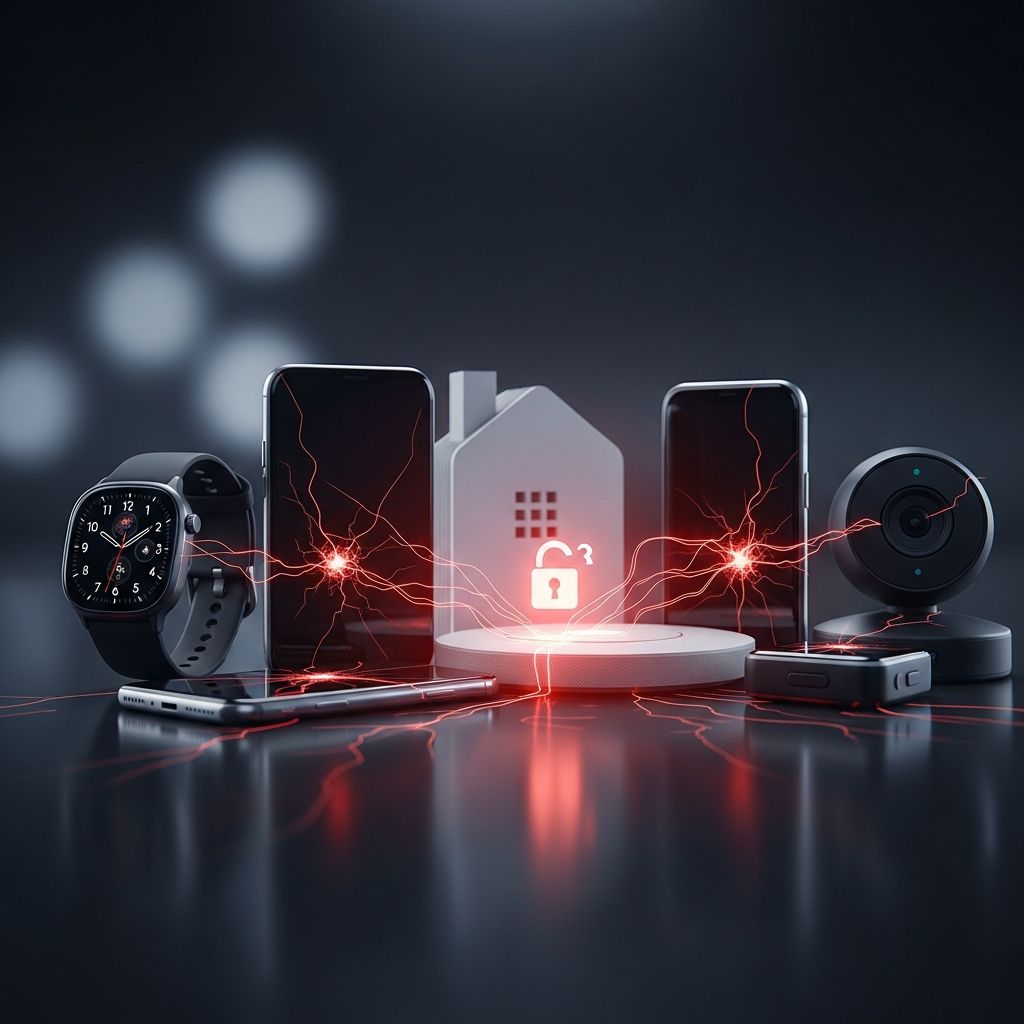
In the era of interconnected living, smart devices promise unparalleled convenience, from voice-activated lights to self-regulating thermostats. Yet, behind the glossy marketing lies a complex web of potential issues that can turn your dream setup into a nightmare. This guide dives deep into the often-ignored aspects of purchasing Internet of Things (IoT) gadgets, empowering you to make informed decisions that prioritize security, privacy, and sustainability.
Understanding the IoT Ecosystem’s Vulnerabilities
The IoT landscape has exploded, with billions of devices now woven into daily life. According to recent reports from cybersecurity authorities, these gadgets frequently serve as entry points for hackers due to weak built-in protections. Before adding any smart bulb, camera, or speaker to your network, it’s vital to grasp how these devices interact and where they falter.
Many consumers overlook the fact that smart devices rely on constant internet connectivity, cloud services, and app integrations. A single weak link—such as an unpatched firmware—can compromise your entire home network. For instance, outdated protocols in older models expose users to known exploits that have been public for years.
Key Security Features Every Buyer Must Demand
Security isn’t optional; it’s the foundation of trustworthy smart tech. Start by verifying if the device mandates strong authentication methods. Look for support for two-factor authentication (2FA), which adds a critical layer of defense against credential theft.
- Encryption Standards: Ensure end-to-end encryption for data transmission. Devices using WPA3 or equivalent Wi-Fi security are preferable over legacy WPA2.
- Firmware Updates: Confirm automatic over-the-air (OTA) updates and a clear policy from the manufacturer on delivering them for at least 5 years.
- Physical Indicators: Opt for gadgets with visible LEDs or sounds signaling active listening or recording, alerting you to potential unauthorized access.
Neglecting these can lead to severe breaches. A study by the UK’s National Cyber Security Centre highlights how unencrypted IoT traffic is routinely intercepted in public networks.
Privacy Pitfalls: What Your Devices Might Be Sharing
Smart gadgets are data harvesters by design, collecting habits like sleep patterns, shopping preferences, and even conversations. Privacy policies often bury the extent of this surveillance in fine print. Before buying, scrutinize what data is gathered, how it’s stored, and whether it’s sold to advertisers.
Recent investigations reveal that many popular smart speakers retain audio snippets indefinitely unless manually deleted. To mitigate:
- Review the app’s permission requests—revoke unnecessary ones like location or microphone access.
- Choose devices compliant with standards like GDPR or CCPA for transparent data handling.
- Enable local processing where possible to keep data off remote servers.
Privacy isn’t just about today; consider devices from companies with histories of data scandals, as rebuilding trust takes time.
Compatibility: Avoiding a Fragmented Smart Home
Nothing derails smart home enthusiasm faster than devices that refuse to communicate. The market is littered with proprietary ecosystems—Z-Wave, Zigbee, Matter, Wi-Fi—each with its quirks. A mismatched setup leads to constant troubleshooting and limited functionality.
| Protocol | Strengths | Weaknesses | Best For |
|---|---|---|---|
| Z-Wave | Low power, mesh networking | Limited device support | Security systems |
| Zigbee | Wide compatibility, affordable | Hub required | Lighting, sensors |
| Wi-Fi | No hub needed, easy setup | High bandwidth drain | High-data devices like cameras |
| Matter | Universal standard | Emerging adoption | Future-proof setups |
Test interoperability during purchase. Platforms like Google Home or Amazon Alexa often list supported devices—cross-reference thoroughly.
Longevity Concerns: The Cloud Dependency Trap
Many smart devices hinge on manufacturer clouds for core operations. When a company shutters services—as seen with robot vacuums bricked post-support end—your investment becomes obsolete. Probe the end-of-life (EOL) policy upfront.
- Local Control Options: Prefer devices functional offline for basic tasks.
- Warranty and Support: Seek at least 3-year warranties covering software.
- Community Backing: Open-source firmware support extends device life beyond official channels.
High-profile cases, like Neato’s 2023 cloud shutdown, underscore this risk, leaving users with expensive paperweights.
Practical Inspection Checklist for Buyers
Arm yourself with this step-by-step guide before checkout:
- Research Manufacturer Track Record: Check forums and review sites for breach histories.
- Verify Certifications: Look for UL, FCC, or IoT security labels.
- Test in-Store: Confirm app pairing and basic commands work smoothly.
- Assess Network Impact: Ensure your router can handle added load.
- Plan for Scalability: Will it integrate with future buys?
For homebuyers inheriting smart setups, hire inspectors versed in IoT to test functionality, wiring, and transferability.
Building a Resilient Smart Home Network
A secure smart home starts smart home starts with robust infrastructure. Upgrade to a modern router supporting VLANs for segmenting IoT from critical devices. Use guest networks for less trusted gadgets. Regularly audit connected devices via your router’s admin panel.
Implement network-wide protections like DNS filtering to block malicious domains. Tools from reputable providers enhance defense without complexity.
Future-Proofing Your Purchases
As standards like Matter mature, prioritize devices adhering to them for cross-brand harmony. Stay informed via NIST’s IoT guidelines, which outline best practices for secure deployment. By 2026, expect regulatory pushes mandating minimum security baselines—buy ahead of the curve.
Frequently Asked Questions
Are all smart devices equally risky?
No. Established brands with update commitments pose lower risks than fly-by-night options. Always prioritize verified support timelines.
How do I secure existing devices?
Change default passwords, enable 2FA, isolate on a separate network, and monitor for firmware alerts.
What if my device lacks updates?
Consider replacement or community firmware like Home Assistant for revival.
Is Matter the solution to compatibility woes?
It’s promising but check current device support; full rollout is ongoing.
Should I avoid cloud-dependent gadgets?
Not entirely—balance with local fallback options for critical functions.
References
- Guidance on the Protection of Privacy in the Use of Camera Devices in the Home — UK National Cyber Security Centre. 2023-06-15. https://www.ncsc.gov.uk/guidance/protection-privacy-camera-devices-home
- IoT Cybersecurity Improvement Act of 2020 — U.S. Cybersecurity and Infrastructure Security Agency (CISA). 2022-12-01. https://www.cisa.gov/iot
- Core guidance on the IoT and consumer products — UK National Cyber Security Centre. 2024-03-20. https://www.ncsc.gov.uk/collection/iot-core-guidance
- Securing the Internet of Things — NIST Special Publication 800-213. 2022-11-14. https://nvlpubs.nist.gov/nistpubs/SpecialPublications/NIST.SP.800-213.pdf
- Which? Smart Speaker Security Survey — Which? (UK Consumer Association). 2024-09-10. https://www.which.co.uk/news/article/smart-speakers-spying-on-you-awY4m0e5zRjX
Similar Articles







Read full bio of medha deb