Smart Buying in the IoT Era
Unlock the secrets to confident IoT purchases by understanding connectivity, security, and long-term value in a connected world.
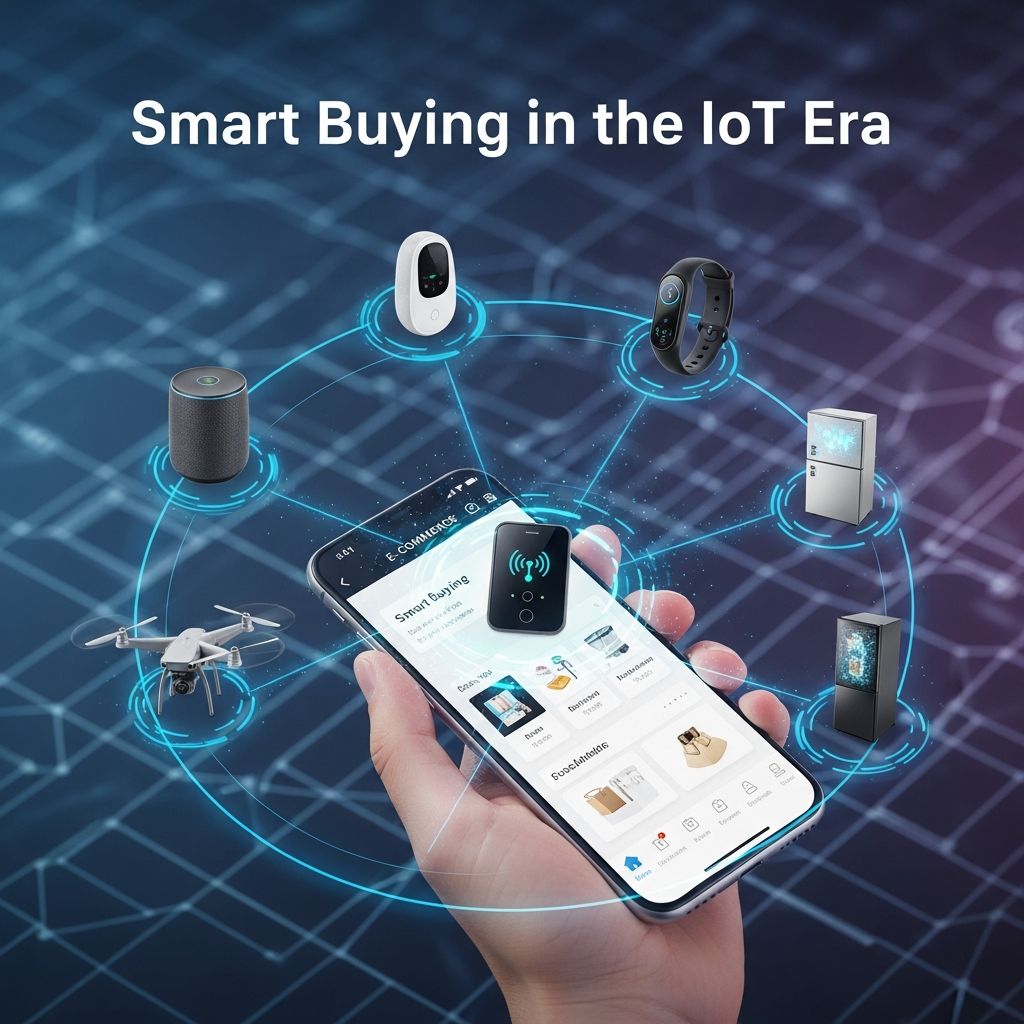
The proliferation of Internet of Things (IoT) devices has transformed everyday living, embedding intelligence into homes, offices, and personal gadgets. From voice-activated assistants to automated lighting systems, these innovations promise convenience and efficiency. Yet, as a consumer, the challenge lies in discerning genuine value amid aggressive marketing. This guide empowers you to make astute decisions by evaluating critical factors like network compatibility, data protection, device longevity, and environmental impact.
Understanding Your Connectivity Requirements
At the heart of any IoT ecosystem is robust connectivity. Before purchasing, map out your current setup. Do you rely on Wi-Fi, Bluetooth, Zigbee, or Z-Wave? Compatibility ensures seamless integration, avoiding the frustration of isolated gadgets.
- Wi-Fi Dominance: Ideal for high-bandwidth needs like streaming cameras, but it drains batteries and congests networks.
- Low-Power Alternatives: Protocols like Zigbee excel in mesh networks for sensors and lights, extending range through device-to-device relays.
- Hybrid Approaches: Modern hubs often support multiple standards, future-proofing your investments.
Assess your home’s layout. In sprawling spaces, prioritize mesh topologies over point-to-point links. Tools like network analyzers can reveal dead zones, guiding optimal device placement.
Prioritizing Security and Privacy in Purchases
IoT devices are prime targets for cyberattacks due to their always-on nature and often lax security. Look for end-to-end encryption, regular firmware updates, and minimal data collection policies. Certifications from bodies like the IoT Security Foundation signal adherence to best practices.
| Feature | Why It Matters | Red Flags |
|---|---|---|
| Two-Factor Authentication | Blocks unauthorized access | Absent or weak implementation |
| Automatic Updates | Patches vulnerabilities promptly | Manual-only or abandoned support |
| Data Minimization | Reduces breach risks | Indiscriminate cloud uploads |
Privacy extends to bystander protection—ensure devices don’t inadvertently record neighbors. Review app permissions rigorously; revoke unnecessary access immediately.
Evaluating Device Longevity and Vendor Reliability
Short product lifecycles plague IoT markets. Seek vendors committing to multi-year support. Battery life, hardware durability, and software scalability determine true costs. Calculate total ownership expenses, factoring in replacements and energy use.
Opt for modular designs allowing part swaps, extending usability. User reviews on independent forums reveal real-world endurance, beyond polished ads.
Cost-Benefit Analysis Beyond the Sticker Price
Initial affordability masks hidden expenses: subscriptions for cloud features, energy bills from power-hungry units, and interoperability adapters. Compute return on investment via automation savings—smart thermostats can slash heating costs by 10-20% per U.S. Department of Energy estimates.
- Energy Efficiency Ratings: Hunt for Energy Star labels.
- Subscription Traps: Verify core functions offline.
- Bulk Savings: Ecosystem bundles often yield discounts.
The Sustainability Angle in Smart Tech
IoT’s environmental footprint includes e-waste from disposables and rare-earth mining. Favor recyclable materials, low-power chips, and repairable builds. Initiatives like the Right to Repair movement push manufacturers toward longevity.
Carbon-aware shopping: Devices with lifecycle assessments (LCAs) quantify impacts. EU regulations increasingly mandate eco-labels, aiding global buyers.
Building a Cohesive Smart Ecosystem
Fragmentation undermines IoT potential. Central hubs like Matter-compatible controllers unify disparate brands. Start small—core devices first—then expand. Protocols like Thread enhance reliability in dense setups.
Test interoperability pre-purchase via demos or return policies. Open standards prevent vendor lock-in, preserving flexibility.
Real-World Scenarios for Informed Choices
Consider a smart kitchen: Ovens, fridges, and assistants must sync for recipe guidance. Prioritize voice control with local processing to sidestep cloud latency.
In security, layered systems—cameras, locks, sensors—demand unified apps. Outdoor units need weatherproofing and solar options for resilience.
Future-Proofing Against Tech Evolution
By 2030, 5G and edge computing will redefine IoT. Invest in upgradable firmware and AI-ready hardware. Monitor standards bodies like IEEE for emerging protocols.
Diversify vendors to mitigate single-point failures. Community-driven platforms offer resilience against corporate pivots.
Common Pitfalls and How to Avoid Them
- Hype Over Substance: Demo in-store; ignore buzzwords.
- Neglected Maintenance: Schedule firmware checks quarterly.
- Over-Reliance: Keep manual fallbacks for critical functions.
FAQs: Your IoT Shopping Queries Answered
What is the best connectivity protocol for beginners?
Wi-Fi 6 offers broad compatibility and speed, easing entry without complex hubs.
How do I check if a device is secure?
Scan for WPA3 support, unique default passwords, and third-party audits.
Are cheap IoT devices worth it?
Often not—skimping invites security risks and quick obsolescence.
Can I mix brands in my smart home?
Yes, via standards like Matter, ensuring cross-vendor harmony.
What about IoT data privacy laws?
GDPR in Europe and CCPA in California enforce rights; verify compliance globally.
Armed with this knowledge, transform shopping into strategic empowerment. IoT thrives on informed choices, yielding homes that are secure, efficient, and sustainable.
References
- Digital Transformation Strategy for Africa 2020-2030 — African Union. 2024. https://au.int/sites/default/files/documents/42078-doc-DATA-POLICY-FRAMEWORKS-2024-ENG-V2.pdf
- Interoperability Regulations for Digital Services — Bundesnetzagentur. 2023. https://www.bundesnetzagentur.de/DE/Fachthemen/Digitales/Onlinekommunikationsdienste/Onlinekomm/study_interoperabilityregulationsdigiservices.pdf?__blob=publicationFile&v=1
- California Privacy Protection Agency Regulations — CPPA. 2023. https://cppa.ca.gov/regulations/pdf/rm2_pre_comments_27_52.pdf
- Energy Savings from Smart Thermostats — U.S. Department of Energy. 2022. https://www.energy.gov/energysaver/smart-thermostats
Similar Articles







Read full bio of medha deb