SIDS Digital Progress: Pacific Leadership
Exploring how Pacific small island states are shaping global Internet governance and digital economies through innovative leadership.
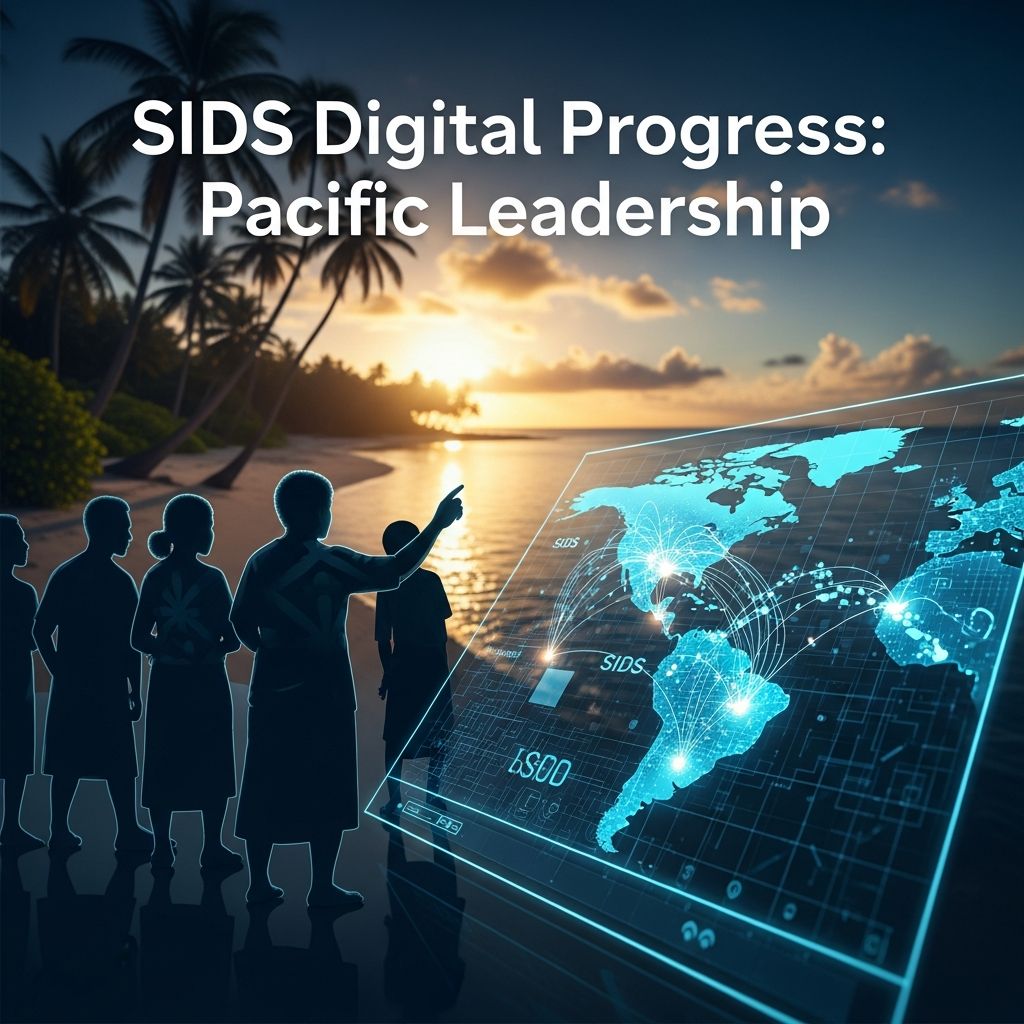
Small Island Developing States (SIDS) in the Pacific region are increasingly asserting their presence in the global digital landscape. Despite geographical isolation and limited resources, these nations are fostering robust Internet ecosystems, contributing to international governance structures, and driving economic diversification through technology. This article delves into their achievements, challenges, and future pathways in the digital economy.
Navigating Unique Challenges in Island Connectivity
Pacific SIDS face distinct hurdles in digital development, primarily due to their remote locations and small populations. High costs of undersea cable infrastructure and vulnerability to natural disasters complicate reliable Internet access. Yet, strategic investments in fiber-optic networks and satellite technologies are bridging these gaps.
- Geographical Barriers: Vast ocean distances increase deployment expenses for telecom infrastructure.
- Climate Vulnerabilities: Cyclones and rising sea levels threaten existing networks, necessitating resilient designs.
- Economic Constraints: Limited budgets push reliance on international partnerships for funding and expertise.
Addressing these requires collaborative efforts. Regional bodies like the Pacific Islands Telecommunications Association (PITA) advocate for shared infrastructure projects, reducing individual costs.
Emerging Leaders in Global Internet Bodies
Pacific representatives are breaking barriers in organizations like the Internet Corporation for Assigned Names and Numbers (ICANN). Individuals from these islands hold key positions, influencing policies on domain names and IP addresses worldwide.
| Organization | Pacific Leader | Role | Impact |
|---|---|---|---|
| ICANN | Cook Islands Representative | Board Member | Shapes global addressing policies |
| APrIGF | Regional Participant | Multistakeholder Contributor | Amplifies SIDS voices in Asia-Pacific |
| IGF | Pacific Delegates | Session Organizers | Highlights island-specific issues |
These roles exemplify how SIDS can lead despite scale disadvantages, promoting inclusive governance.
Key Engagements in Multistakeholder Forums
2019 marked heightened Pacific participation in forums like the Asia-Pacific Regional Internet Governance Forum (APrIGF) and global Internet Governance Forum (IGF). Sessions focused on affordability, cybersecurity, and digital inclusion tailored to island contexts.
At APrIGF 2019 in Vladivostok, Pacific voices emphasized affordable access strategies. Meanwhile, national IGFs in countries like Fiji and Samoa addressed local priorities such as content development in indigenous languages.
- APrIGF Contributions: Panels on submarine cable resilience.
- National IGFs: Discussions on youth digital skills training.
- Global IGF: Advocacy for SIDS-specific dynamic coalitions.
The Role of Dynamic Coalitions for SIDS
The Dynamic Coalition on Small Island Developing States in the Internet Economy (DC-SIDS) serves as a vital platform. It unites stakeholders across Caribbean, Pacific, and AIMS regions to tackle shared digital challenges.
Established under IGF auspices, DC-SIDS promotes policy dialogues, best practice sharing, and capacity building. Pacific members contribute reports highlighting regional successes, such as community Wi-Fi initiatives in Vanuatu.
Through coalitions like DC-SIDS, SIDS transform vulnerabilities into strengths by pooling resources and expertise.
Building Resilient Digital Infrastructures
Investments in connectivity form the backbone of SIDS digital progress. Projects like the Tonga Fiber Optic Cable and Papua New Guinea’s Kumul Submarine Network have dramatically boosted speeds and reduced latency.
Public-private partnerships are key. For instance, the World Bank’s Pacific Region Infrastructure Facility supports feasibility studies for new cables, ensuring economic viability.
Empowering Communities Through Digital Skills
Beyond infrastructure, human capacity is crucial. Programs like the Pacific Islands Internet Society’s training workshops equip locals with skills in cybersecurity, digital marketing, and governance participation.
- Youth Programs: Coding bootcamps in Fiji reaching 500+ students.
- Women in Tech: Initiatives boosting female participation in STEM.
- Governance Training: Preparing delegates for ICANN meetings.
Policy Wins and Regulatory Advances
Pacific regulators are crafting forward-looking policies. Samoa’s data protection law and Fiji’s cybersecurity framework set regional benchmarks. Harmonization efforts via the Pacific Forum aim to ease cross-border data flows.
These policies foster trust, attracting e-commerce and fintech investments. Mobile money platforms like Digicel Wallet exemplify successful implementations.
Future Horizons: SIDS in the AI Era
Looking ahead, Pacific SIDS must navigate emerging technologies like AI and 5G. Ethical AI deployment can enhance disaster prediction, while 5G trials in New Caledonia promise transformative services.
Challenges include data sovereignty and skill gaps, but opportunities abound in niche areas like blue economy tech for sustainable fishing.
Frequently Asked Questions
What are Small Island Developing States (SIDS)?
SIDS are a UN-recognized group of 58 countries and territories, primarily islands, facing unique development challenges due to size, remoteness, and climate exposure.
How do Pacific SIDS contribute to ICANN?
Through elected board members and active participation in working groups, influencing global Internet resource policies.
What is the DC-SIDS Dynamic Coalition?
A multistakeholder group under IGF focusing on SIDS digital economy issues, facilitating cross-regional collaboration.
Why is connectivity critical for Pacific islands?
It enables economic diversification, education access, and resilience against isolation.
What future tech trends affect SIDS?
AI for climate modeling, 5G for services, and satellite broadband for remote areas.
References
- Small Island Digital States: How Digital Can Catalyse SIDS Development — United Nations Development Programme (UNDP). 2024-06. https://www.undp.org/sites/g/files/zskgke326/files/2024-06/undp-small-island-digital-states-how-digital-can-catalyse-sids-development-v2-1.pdf
- Dynamic Coalition on Small Island Developing States in the Internet Economy (DC-SIDS) — Internet Governance Forum (IGF), United Nations. Accessed 2026. https://www.intgovforum.org/en/content/dynamic-coalition-on-small-island-developing-states-in-the-internet-economy-dc-sids
- Small Island Developing States Internet Governance Forum (SIDS IGF) — Caribbean Telecommunications Union (CTU). Accessed 2026. https://ctu.int/internet-governance/sids-igf/
- Pacific Report to the Dynamic Coalition of Small Island Developing States — Internet Society. 2020-01-21. https://www.internetsociety.org/blog/2020/01/pacific-report-to-the-dynamic-coalition-of-small-island-developing-states-in-the-internet-economy/
- DC on Small Island Developing States and the Internet Economy — Internet Governance Forum (IGF). 2019. https://www.intgovforum.org/en/filedepot_download/6975/1395
Similar Articles








Read full bio of medha deb