Senegal Advances IoT Security
Senegal launches multistakeholder efforts to bolster IoT security amid rapid digital expansion and rising cyber threats.
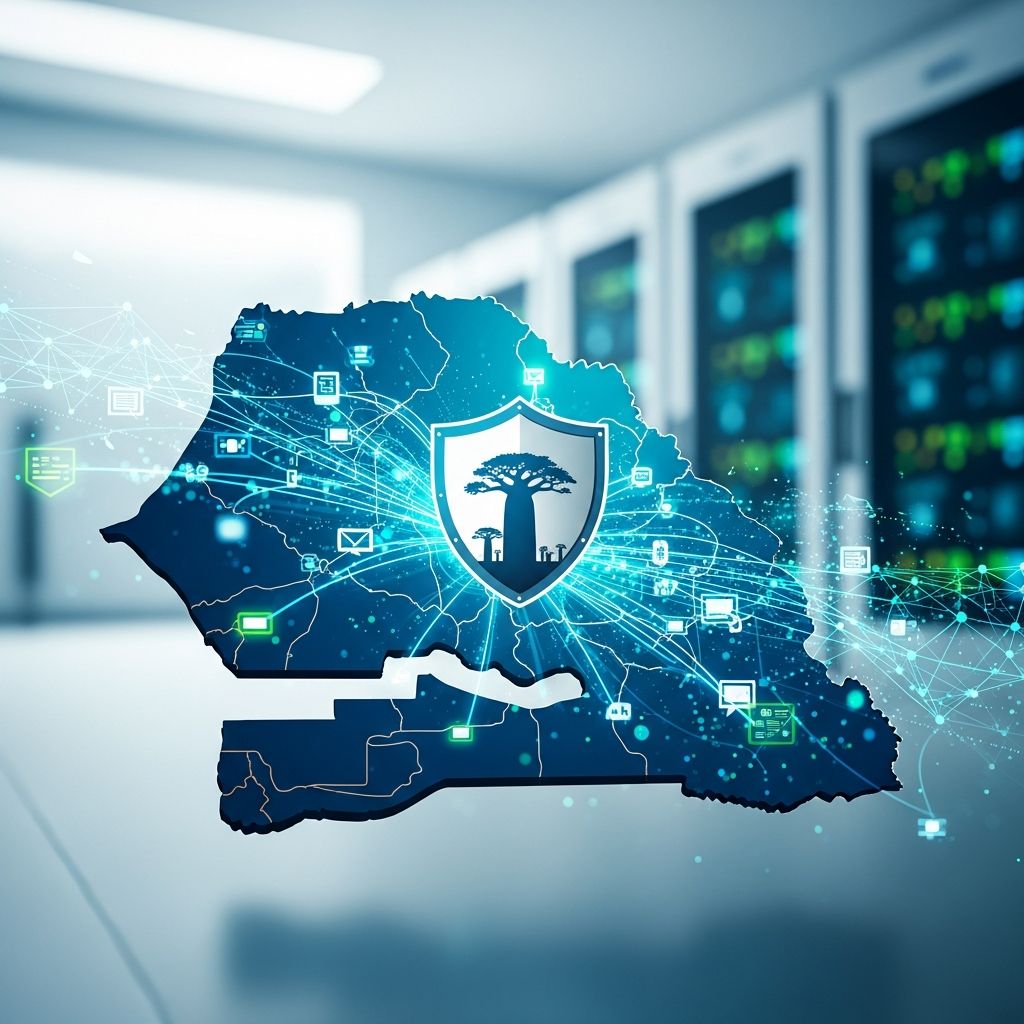
Senegal is at the forefront of Africa’s digital revolution, with ambitious plans to connect millions and build technological sovereignty. Central to this transformation is a focused push to secure the Internet of Things (IoT), where everyday devices connect to networks, offering immense potential but also significant vulnerabilities. As IoT adoption surges—from smart agriculture tools to urban monitoring systems—protecting these devices has become a national priority. This article delves into Senegal’s comprehensive strategies, partnerships, and ongoing projects to fortify IoT ecosystems against cyber risks.
The Rising Importance of IoT in Senegal’s Digital Landscape
IoT technologies are transforming Senegal’s economy and society. In agriculture, sensors monitor soil moisture and weather patterns, boosting yields in rural areas. In cities like Dakar, smart meters optimize energy distribution, while health wearables enable remote patient monitoring. The government’s New Deal Technologique, launched in early 2025, aims to position Senegal as a tech hub by 2034, with IoT playing a pivotal role.
However, this growth brings challenges. Many IoT devices suffer from weak default security, such as easily guessable passwords or unpatched firmware, making them prime targets for botnets and data breaches. Senegal’s Universal Connectivity initiative, targeting free internet for one million people by 2026, amplifies these risks by expanding access without proportional safeguards.
- IoT devices often prioritize affordability over security, leading to widespread vulnerabilities.
- Rapid deployment in underserved areas heightens exposure to attacks like DDoS or ransomware.
- Interconnected systems mean a single compromised device can disrupt entire networks.
Government Commitments and Strategic Investments
The Ministry of Communication, Telecommunications and Digital Economy (MCTPEN) leads IoT security efforts, backed by substantial budgets. In 2026, Senegal allocated $24 million (CFA13.5 billion) to modernize communications infrastructure, including upgrades to public media and digital platforms. This funding supports the creation of a new regulator for media and digital platforms, aimed at curbing hate speech, cyber harassment, and disinformation—issues that intersect with IoT data privacy.
President Bassirou Diomaye Faye’s vision emphasizes cyber resilience: “We are committed to building a sovereign digital space by strengthening our cyber resilience, securing infrastructure, protecting our critical data, and gradually reducing our dependence on foreign solutions.” The e-Senegal platform, launched in March 2026, streamlines public services, integrating IoT for efficient administration while mandating security protocols.
| Initiative | Focus Area | Investment | Timeline |
|---|---|---|---|
| New Deal Technologique | Digital transformation & IoT integration | $1.7 billion | 2025-2034 |
| Universal Connectivity | Free internet for 1M users | Undisclosed | By 2026 |
| Communications Modernization | Infrastructure & regulation | $24 million | 2026 |
Multistakeholder Collaborations Driving Change
Senegal’s approach emphasizes inclusive partnerships. The Internet Society’s Senegal Chapter, alongside MCTPEN and the Telecommunications and Postal Regulatory Authority (ARTP), kicked off a multistakeholder process in 2018, evolving into sustained forums. Recent events focus on IoT-specific security, bringing together regulators, industry, academia, and civil society.
In 2024, Senegal earned a Tier 3 ranking in the ITU’s Global Cybersecurity Index with 67.17/100, reflecting moderate advancements. Building on this, collaborations with global tech firms like Meta enhance capacity. Senegal’s National Police partnered with Meta for training cybercrime units on platform tools, improving response to IoT-related threats like hacked cameras used in surveillance crimes.
PAIX Data Centres’ new Dakar facility, operational since early 2025, bolsters IoT data handling with secure infrastructure, supporting satellite initiatives to add one million internet users.
Key Challenges in Securing Senegal’s IoT Ecosystem
Despite progress, hurdles remain. Limited cybersecurity expertise in rural deployments poses risks, as does the influx of low-cost, insecure devices from unregulated markets. The free internet rollout could expose novices to phishing or malware-laden IoT apps without robust education.
- Supply Chain Vulnerabilities: Imported devices often lack local compliance testing.
- Skill Gaps: Need for widespread training in secure IoT deployment.
- Regulatory Gaps: Harmonizing standards across borders for cross-African IoT trade.
- Privacy Concerns: Balancing data utility with user rights in smart city projects.
Addressing these requires layered defenses: device-level encryption, network segmentation, and real-time monitoring.
Training and Capacity Building Initiatives
Education is cornerstone. ARTP and partners offer workshops on IoT best practices, covering firmware updates and zero-trust architectures. Meta’s technical sessions equip police with tools to trace IoT-enabled crimes, such as smart home breaches.
Academic programs at universities like Cheikh Anta Diop integrate IoT security curricula, producing certified experts. Public awareness campaigns via e-Senegal promote secure device usage, targeting the million new users.
Technological Innovations and Infrastructure Upgrades
Senegal invests in homegrown solutions. The PAENS initiative sets 2026 milestones for digital development, including edge computing for low-latency IoT security. Satellite broadband expansions ensure resilient connectivity in remote areas, vital for agricultural IoT.
Blockchain pilots secure IoT data chains, preventing tampering in supply logistics. AI-driven anomaly detection systems monitor national networks, flagging threats proactively.
Future Outlook: Toward a Secure Digital Senegal
By 2034, Senegal envisions a fully sovereign digital ecosystem. Milestones include mandatory IoT certification, national cybersecurity labs, and Africa-wide standards collaboration. Prime Minister Ousmane Sonko’s flagship projects under the New Deal signal acceleration.
Success hinges on sustained funding, international partnerships, and public engagement. As IoT permeates daily life, Senegal’s proactive stance positions it as a model for African nations balancing innovation with security.
Frequently Asked Questions (FAQs)
What is driving Senegal’s IoT growth?
Government programs like New Deal Technologique and Universal Connectivity aim to bridge digital divides and foster economic growth.
How does Senegal rank in global cybersecurity?
Tier 3 in ITU’s 2024 Global Cybersecurity Index (67.17/100), showing solid foundational efforts.
What role do partnerships play?
Collaborations with Internet Society, Meta, and ARTP enable knowledge sharing and capacity building.
Are there risks in free internet expansion?
Yes, without security measures, it could increase attack surfaces for IoT devices.
What’s next for IoT regulation?
A new 2026 regulator for digital platforms to enforce standards against online harms.
References
- Global Cybersecurity Index 2024 — International Telecommunication Union. 2024. https://www.itu.int/en/ITU-D/Cybersecurity/Pages/global-cybersecurity-index.aspx
- Senegalese Multistakeholder Process: Enhancing IoT Security — Internet Society. 2018-ongoing. https://www.internetsociety.org/events/senegalese-multistakeholder-process-enhancing-iot-security-event-1/
- Senegal Police Step Up Meta Cooperation — We Are Tech Africa. 2025. https://www.wearetech.africa/en/fils-uk/news/public-management/senegal-police-step-up-meta-cooperation-to-tackle-rising-cybercrime
- Senegal Allocates $24 Million to Modernise Communications — Ecofin Agency. 2025. https://www.ecofinagency.com/news-digital/1212-51335-senegal-allocates-24-million-to-modernise-communications-sector-in-2026
- Senegal Launches Digital Government Portal — Biometric Update. 2026-03. https://www.biometricupdate.com/202603/senegal-launches-digital-government-portal-to-ease-access-to-public-services
Similar Articles







Read full bio of Sneha Tete