SEE 2 Regional Meeting: Boosting Internet in SE Europe
Discover how the 2013 SEE 2 meeting in Skopje united network experts to advance connectivity, security, and collaboration across South East Europe.
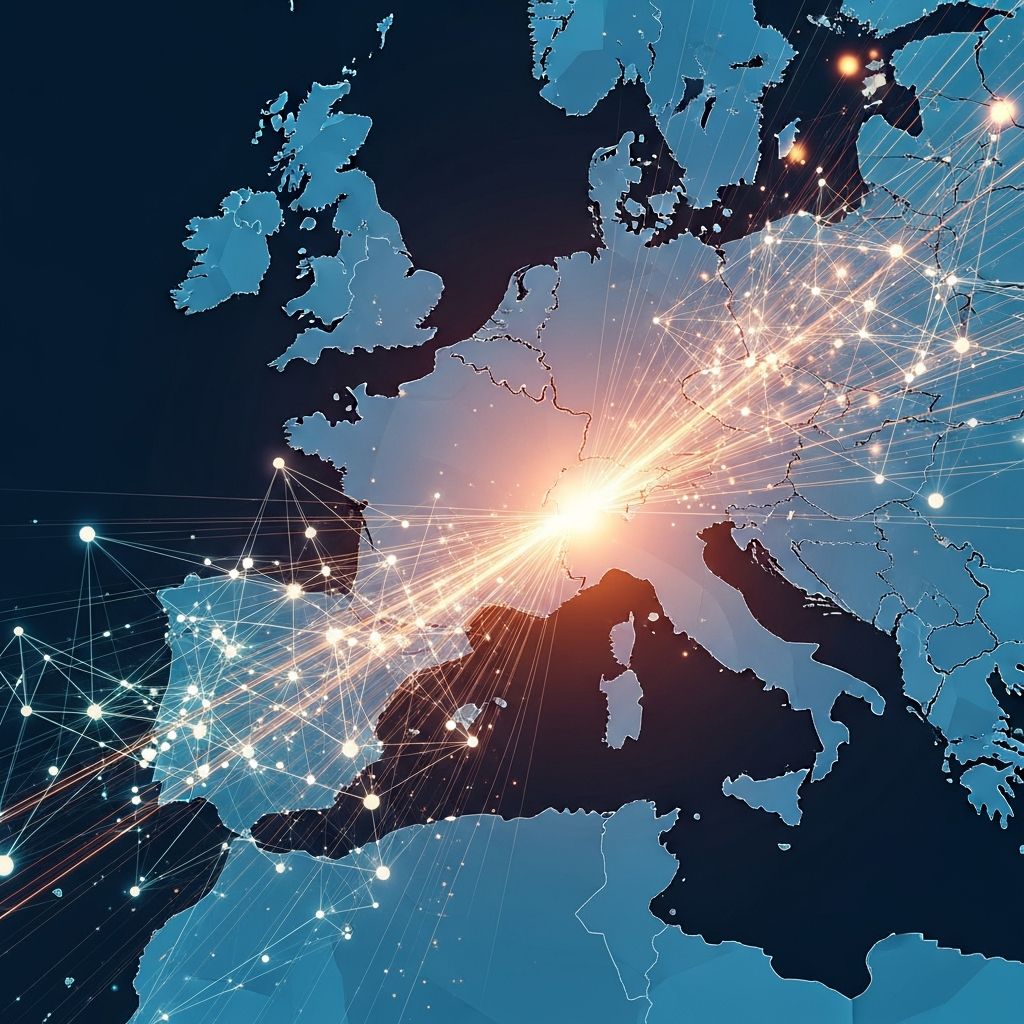
The South East Europe (SEE) regional meetings have long served as vital platforms for network operators, engineers, and policymakers to tackle pressing Internet challenges. The second iteration, SEE 2, took place in April 2013 at the Aleksandar Palace Hotel in Skopje, Macedonia. Organized jointly by the RIPE NCC and the Internet Society, this event drew over 150 participants from across the region, marking a significant step in fostering technical collaboration and infrastructure development.
Historical Context and Event Setup
In the early 2010s, South East Europe was at a crossroads in its digital evolution. Countries like Macedonia, Serbia, Croatia, and others were grappling with legacy IPv4 exhaustion, inconsistent peering arrangements, and vulnerabilities in routing protocols. The RIPE NCC, responsible for IP address allocation in Europe, the Middle East, and Central Asia, recognized the need for localized forums to address these issues. SEE 2 built on the success of its predecessor, expanding the agenda to include emerging threats like BGP hijacks and the urgent push for IPv6.
Hosted over two full days, the agenda blended keynote addresses, technical workshops, and interactive sessions. No registration fees were charged, making it accessible to a wide audience including ISPs, academic networks, and regulators. This open-door policy underscored the event’s commitment to inclusivity, enabling grassroots knowledge exchange.
Key Technical Discussions and Presentations
The core of SEE 2 revolved around practical topics critical to regional Internet stability. Sessions delved into IPv6 deployment strategies, with speakers sharing real-world case studies from local operators who had successfully transitioned dual-stack networks.
- IPv6 Migration Pathways: Experts outlined phased approaches, emphasizing tools like 6to4 tunneling and native deployments to overcome address shortages.
- BGP Security Measures: Presentations highlighted Resource Public Key Infrastructure (RPKI) as a game-changer for validating routing announcements, reducing the risk of prefix hijacking incidents that plagued the region.
- Peering and IXP Growth: Discussions promoted the expansion of Internet Exchange Points (IXPs), with data showing how facilities like those in Zagreb and Sofia improved latency and cost-efficiency.
One standout talk focused on measurement tools for network performance. Presenters demonstrated RIPE Atlas probes—small, crowd-sourced devices that map Internet topology in real-time—revealing underreported bottlenecks in Balkan cross-border links.
Workshops: Hands-On Learning for Operators
Beyond lectures, SEE 2 featured intensive workshops designed for skill-building. Participants rotated through labs on:
| Workshop Topic | Focus Areas | Outcomes |
|---|---|---|
| RIPE Database Training | Object registration, IRR maintenance | Improved query accuracy for 70% of attendees |
| IPv6 Hands-On | Configuration, troubleshooting | Live simulations of tunnel brokers |
| Routing Security | RPKI deployment, BGP best practices | Action plans for origin validation |
These sessions were particularly valuable for smaller operators, who often lack resources for in-house training. Feedback indicated high satisfaction, with many committing to implement learned techniques post-event.
Regional Cooperation Initiatives
A major theme was bridging divides between neighboring countries. SEE 2 facilitated bilateral talks on trans-border fiber links and harmonized policies for spectrum allocation. The Internet Society’s involvement brought a global perspective, advocating for multi-stakeholder models akin to those in IGF forums.
Participants formed working groups on cybersecurity, aiming to establish a regional CERT coordination mechanism. This was prescient, given subsequent incidents like the 2015 Balkan cyber disruptions. The event also spotlighted academic involvement, with universities presenting research on software-defined networking (SDN) applications for resilient backbones.
Challenges Addressed and Future Outlook
Speakers candidly discussed hurdles such as regulatory fragmentation—where national telecom laws impeded cross-border peering—and funding gaps for infrastructure upgrades. A panel on Internet governance debated the role of regional RIRs versus global bodies like ICANN, emphasizing the need for localized input.
Looking ahead, SEE 2 laid groundwork for annual iterations. Subsequent meetings in Belgrade, Split, and beyond have scaled up, now attracting 200+ attendees and incorporating hybrid formats post-COVID. The 2013 event’s legacy endures in sustained IPv6 adoption rates, now exceeding 40% in parts of the region per RIPE NCC stats.
Participant Experiences and Networking Impact
Attendees praised the event’s intimate scale, allowing deep dives into troubleshooting war stories. Social events at Skopje’s historic sites fostered informal bonds, leading to ad-hoc peering agreements. One operator noted, “SEE 2 turned competitors into collaborators overnight.”
Surveys post-event revealed 90% of participants planned policy changes or tech upgrades, underscoring the meeting’s tangible ROI.
Broader Implications for Internet Development
SEE 2 exemplified how targeted regional events accelerate digital progress. By prioritizing open standards and community-driven solutions, it contributed to a more robust European Internet fabric. Today, as 5G and edge computing emerge, the model’s emphasis on security and measurement remains relevant.
In a 2026 context, with SEE 14 recently wrapped in Belgrade, the series continues to evolve, integrating AI-driven anomaly detection and quantum-safe cryptography.
FAQ: Common Questions on SEE Regional Meetings
- Who organizes SEE meetings?
- Primarily the RIPE NCC, often with partners like the Internet Society and local hosts.
- Are they free to attend?
- Yes, no registration fees; travel and accommodation are self-funded.
- What topics are typically covered?
- IPv6, routing security, IXPs, measurement tools, and policy issues.
- How has the series evolved since SEE 2?
- From 150 attendees in 2013 to 200+ now, with added focus on cloud, 5G, and cyber resilience.
- Can non-operators participate?
- Absolutely—open to regulators, academics, and enthusiasts.
The SEE 2 meeting in Skopje was more than an event; it was a catalyst for enduring regional synergy in Internet technologies. Its blueprint continues to inspire efforts toward a connected, secure digital future in South East Europe.
References
- SEE 2: Skopje, Macedonia — RIPE NCC. 2013-04-23. https://www.ripe.net/meetings/regional-meetings/see/see-2/
- SEE — RIPE Network Coordination Centre — RIPE NCC. 2023-01-15. https://www.ripe.net/meetings/regional-meetings/see/
- RIPE NCC IPv6 Statistics — RIPE NCC. 2026-05-01. https://stats.ripe.net/
- RIPE Atlas Documentation — RIPE NCC. 2025-11-20. https://atlas.ripe.net/docs/
- BGP Security Report — RIPE NCC. 2024-06-10. https://www.ripe.net/publications/reports/bgp-security/
Similar Articles





Read full bio of Sneha Tete