Securing Gaming Networks During Peak Holiday Seasons
Essential strategies to protect your gaming experience from seasonal cyber threats
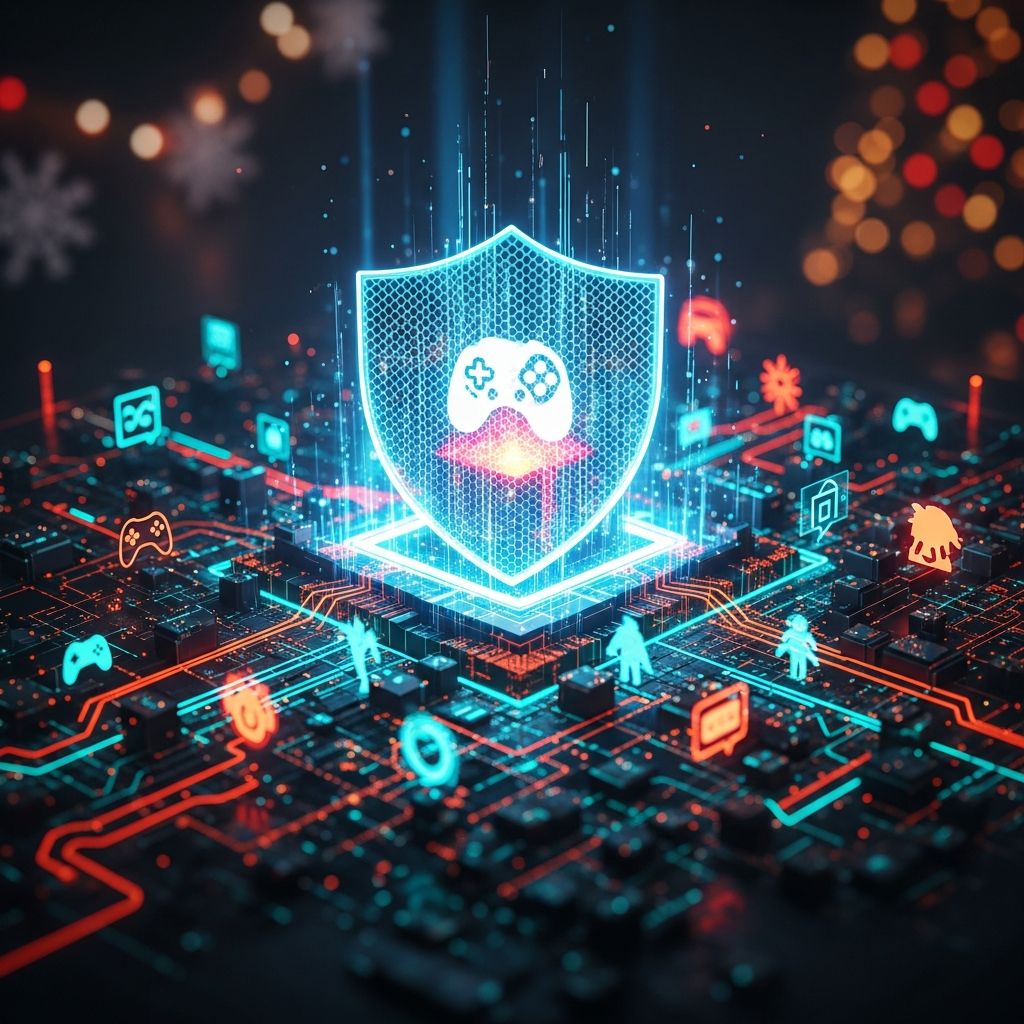
The holiday season brings joy, celebration, and unfortunately for millions of online gamers, an unprecedented surge in cyber attacks. As people worldwide unwrap new gaming consoles and settle in for extended gaming sessions with family and friends, malicious actors are actively exploiting this peak activity period to launch sophisticated network disruptions. Understanding these threats and taking proactive protective measures has become essential for anyone who enjoys online gaming during the festive months.
Understanding the Seasonal Surge in Network Attacks
The convergence of holidays and increased gaming activity creates a perfect storm for cybersecurity vulnerabilities. When gaming networks experience their highest traffic volumes, they become attractive targets for attackers seeking maximum disruption and visibility. The sheer number of simultaneous connections makes it exponentially harder for security teams to distinguish between legitimate player traffic and malicious activity attempting to overwhelm network resources.
Gaming platforms experience this phenomenon most acutely during major holiday periods when new consoles and gaming systems enter millions of households. Players eager to try their new hardware connect simultaneously to online multiplayer services, creating massive bandwidth surges. This combination of increased legitimate traffic and heightened security challenges provides attackers with ideal conditions to launch their campaigns.
How Traffic Flooding Disrupts Gaming Services
Distributed denial-of-service attacks function through a deceptively simple mechanism: overwhelming target systems with massive quantities of network traffic that appear legitimate at first glance. The attacking infrastructure sends so many requests to gaming servers that they become completely saturated, unable to process genuine player connections. When this occurs, legitimate gamers find themselves locked out of their accounts, unable to join matches, access their libraries, or engage in any online functionality.
The challenge for network defenders lies in the fundamental difficulty of distinguishing between authentic player connections and attack traffic. A connection surge looks similar whether it originates from hundreds of thousands of real players logging in simultaneously or from compromised computers launching coordinated requests. This ambiguity makes defensive responses incredibly complex, as blocking attack traffic risks also blocking genuine players trying to access services.
Why Attackers Target Gaming Ecosystems Specifically
Gaming networks represent uniquely valuable targets during holidays for several distinct reasons. First, the gaming industry operates some of the most complex and interconnected digital infrastructure globally, making these systems both high-profile and challenging to defend comprehensively. Second, successful attacks against major gaming platforms generate enormous media attention, providing attackers with the notoriety they often seek. Third, the international nature of gaming communities means attacks can affect millions of people across numerous countries simultaneously, amplifying impact and publicity.
Some attackers explicitly frame their activities as social commentary, claiming they want to encourage people to spend time with family rather than gaming. Others pursue attacks for pure technical challenge or to demonstrate vulnerabilities in security systems. Regardless of motivation, the result remains identical: widespread service disruption affecting players globally.
The Five-Point Defense Framework Against Network Attacks
Strategy One: Maintain Current Security Software and Patches
Your personal devices serve as the frontline defense against compromises that could turn your computer into part of an attacking network. Cybercriminals frequently exploit outdated software vulnerabilities to gain control of computers without users’ knowledge, then commandeer these machines to launch attacks against gaming platforms and other targets. Regular security updates and patches close these exploitation pathways before attackers can exploit them.
This protective measure extends beyond operating system updates to include all installed applications. Gaming platforms, browsers, antivirus software, and any other applications with network connectivity should receive updates as soon as developers release them. Set devices to install updates automatically whenever possible, ensuring protection even if you forget to manually apply patches.
Strategy Two: Deploy Robust Password Protocols
Strong authentication credentials represent critical barriers against unauthorized account access. Gaming accounts contain valuable digital assets, personal information, and connection to payment methods. Attackers who compromise accounts can cause significant harm, including theft of game libraries, in-game items, personal data, and financial information.
Establish complex passwords combining uppercase letters, lowercase letters, numbers, and special characters for maximum security strength. Avoid predictable patterns, dictionary words, or personal information that attackers might easily guess. More importantly, use unique passwords for each gaming platform and online service rather than reusing the same password across multiple sites. When one service experiences a data breach, criminals immediately test compromised credentials against other platforms, so password uniqueness provides essential protection.
Consider implementing authenticator applications or hardware security keys for accounts supporting these advanced verification methods. These tools provide a second authentication factor that remains secure even if passwords become compromised.
Strategy Three: Secure Your Network Infrastructure
Your home internet connection requires the same protective attention as your devices. Wireless networks broadcasting default router credentials or lacking encryption become simple gateways for attackers to infiltrate household networks. Every connected device in your home can potentially be compromised and weaponized for attacks.
Configure your wireless router with strong encryption standards like WPA3 or WPA2, using lengthy, complex passwords. Change default administrator credentials to unique, difficult-to-guess values. Disable unnecessary services and remote access features that expand your network’s attack surface. Keep router firmware updated to patch security vulnerabilities. These fundamental network security measures prevent unauthorized access that could turn your home network into a staging ground for launching attacks.
Strategy Four: Practice Vigilant Account Monitoring
Regularly reviewing account activity provides early warning signs of compromise or suspicious behavior. Most gaming platforms offer account activity logs showing login locations, login times, and devices that accessed your account. Unfamiliar login locations or unusual activity patterns may indicate unauthorized access.
Set up account notifications alerting you to significant events like password changes, new device logins, or security setting modifications. These alerts enable rapid response if attackers gain unauthorized access. Respond immediately to suspicious activity by changing passwords and contacting platform support teams.
Strategy Five: Contribute to Collective Network Resilience
Individual device security directly impacts collective network health. Every uncompromised device represents one fewer potential attack vector that criminals can exploit. When millions of gamers each secure their individual devices, they collectively create resilience that makes large-scale attacks significantly more difficult to execute.
Share security knowledge with other gamers, friends, and family members. Help less technically sophisticated users understand why security updates matter and how to recognize phishing attempts targeting gaming accounts. Encourage everyone in your social circle to adopt fundamental security practices. This grassroots security awareness creates a protective community effect that benefits everyone.
Additional Protective Measures Worth Considering
Beyond these foundational strategies, several additional protective approaches can further enhance your security posture. Virtual private networks can mask your actual network location and encrypt your traffic, making your connections harder to target. Dedicated firewalls monitor incoming and outgoing network traffic, blocking suspicious patterns before they reach your devices.
Consider establishing separate user accounts on family devices for children and guests, limiting potential damage if these accounts become compromised. Regular complete system backups ensure you can quickly recover from infections or data loss. Some advanced users employ network segmentation, isolating gaming devices from computers containing sensitive personal or financial information.
Recognizing Phishing Attempts Targeting Gamers
Attackers frequently use fraudulent communications to compromise gaming accounts rather than relying solely on network attacks. Phishing emails, messages, and fake login pages trick users into voluntarily surrendering their credentials. Gaming-themed phishing campaigns reference account suspensions, unauthorized access alerts, or security verification requirements to create urgency that bypasses careful thinking.
Examine sender addresses carefully rather than trusting display names alone. Official gaming platform communications come from company-controlled email domains, not free email services. Never click links in unexpected messages; instead, navigate directly to official platforms using your browser history or bookmarks. Legitimate companies never request passwords or payment information via unsolicited messages.
Understanding Your Platform’s Security Responsibilities
While individual users bear responsibility for device security, gaming platforms themselves must implement infrastructure-level protections against network attacks. Modern DDoS mitigation involves sophisticated techniques including traffic analysis, anomaly detection, and distributed infrastructure designed to absorb attack traffic without disrupting legitimate player connections.
Reputable gaming platforms invest heavily in cybersecurity infrastructure, employ dedicated security teams, and participate in information sharing about emerging threats. However, even the most robust defensive infrastructure cannot completely prevent all attacks. This reality reinforces why individual user security practices remain essential components of overall network resilience.
Responding Effectively When Attacks Occur
Despite comprehensive preventive measures, sophisticated attacks will occasionally succeed in disrupting gaming services. When this occurs, clear communication from gaming platforms helps users understand the situation and expected recovery timelines. Users should check official platform accounts and websites for status updates rather than relying on unverified reports.
If your account appears compromised during or following an attack, contact official support channels immediately. Change passwords using a different device to ensure your initial login was successful. Avoid accessing accounts from public networks or shared devices until you confirm the compromise has been fully resolved.
Building Long-Term Security Awareness
Cybersecurity represents an ongoing practice rather than a one-time achievement. Threats evolve continuously as attackers develop new techniques and discover previously unknown vulnerabilities. Maintaining security requires commitment to ongoing learning about emerging threats, regular review of security practices, and willingness to adopt new protective tools and strategies as they become available.
Subscribe to official security announcements from your gaming platforms and device manufacturers. Follow reputable cybersecurity news sources to understand emerging threat landscapes. Participate in online communities where security practitioners discuss new vulnerabilities and protective measures. This sustained attention to security developments keeps your knowledge current and helps you adapt your protective practices as threats evolve.
The Collective Path Forward
Seasonal network attacks targeting gaming communities will continue as long as attackers find them worthwhile pursuits. However, widespread adoption of fundamental security practices by individual users creates an increasingly hostile environment for attack infrastructure. When millions of devices implement proper security measures, attackers must invest disproportionate resources into attacks while facing significantly reduced success rates.
The gaming community’s collective security posture depends on each individual gamer taking responsibility for their device security, account protection, and network safety. No single organization, security tool, or regulatory body can eliminate these threats unilaterally. Instead, shared commitment to security practices creates distributed resilience that progressively undermines attackers’ capabilities and cost-effectiveness.
As you prepare for upcoming gaming sessions during holiday periods, dedicate time to implementing these protective measures. Update your devices, strengthen your passwords, secure your network, and monitor your accounts. Encourage friends and family to do the same. This individual and collective action represents the most effective pathway toward enjoying gaming experiences free from the disruption caused by network attacks.
References
- Quarterly DDoS Attack Report: Q3 2023 — Lumen Technologies. 2023. https://www.lumen.com/en-us/resources/analyst-reports/quarterly-ddos-report.html
- 2024 Internet Security Threat Report — Cisco Talos. 2024. https://www.cisco.com/c/en/us/products/security/cybersecurity-reports.html
- Cybersecurity and Infrastructure Security Agency (CISA) Alerts — U.S. Department of Homeland Security. 2024-2026. https://www.cisa.gov/alerts
- DDoS Attack Trends and Mitigation Strategies — Internet Society. 2024. https://www.internetsociety.org/resources/
- NIST Cybersecurity Framework — National Institute of Standards and Technology. 2024. https://www.nist.gov/cyberframework
- Best Practices for Protecting Against DDoS Attacks — Internet Engineering Task Force (IETF). 2023. https://tools.ietf.org/html/rfc9132
Similar Articles








Read full bio of medha deb