Risks of Sharing Social Media Passwords
Discover why handing over your social media login credentials can unlock doors to your entire digital life and how to safeguard your online identity.
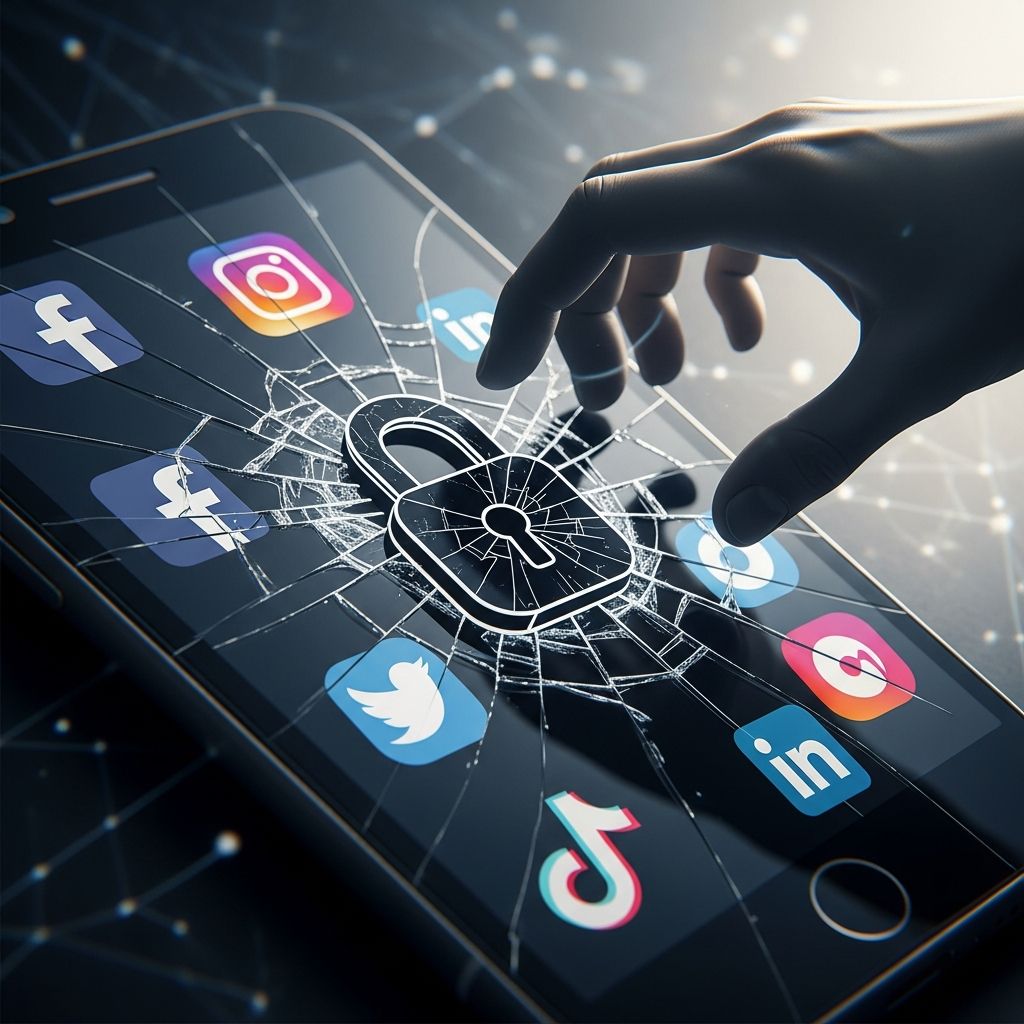
In an era where social platforms serve as the gateway to our digital lives, the act of sharing login credentials might seem like a minor concession. Whether pressured by employers, authorities, or even friends, relinquishing control of your Facebook, Twitter, or Instagram password can trigger a domino effect of security vulnerabilities. This article delves into the profound implications of such actions, drawing on recent cybersecurity insights to highlight why your social media accounts are far more powerful than they appear.
The Expanding Role of Social Logins in Everyday Digital Life
Social media has evolved beyond casual networking into a foundational element of online authentication. Services like ‘Login with Google’ or ‘Sign in with Facebook’ streamline access to countless websites, from news portals and e-commerce platforms to productivity tools and gaming sites. According to the Federal Trade Commission (FTC), over 60% of internet users rely on third-party logins for convenience, unknowingly centralizing their digital identity under a single set of credentials.1
This interconnected ecosystem means a single password governs interactions across diverse domains. For instance, a compromised Facebook account could grant access to your Spotify playlists, shopping history on third-party retailers, or even professional networking profiles on LinkedIn alternatives. The convenience masks a critical risk: one breach amplifies exposure exponentially.
Cascading Consequences of Credential Compromise
When someone gains your social media password, they inherit keys to multiple kingdoms. Here’s how the fallout unfolds:
- Impersonation and Reputation Damage: Attackers can post misleading content, tarnish your personal or professional image, or spread disinformation in your name.
- Access to Private Data: Linked photo albums, messaging histories, and contact lists become fair game, enabling identity theft or targeted harassment.
- Financial Exploitation: E-commerce sites connected via social login may reveal purchase patterns or allow unauthorized transactions if one-click purchasing is enabled.
- Cross-Platform Propagation: Credentials can fuel credential-stuffing attacks, where hackers test them on unrelated services like banking apps or email providers.
Real-world precedents underscore these dangers. In 2016, a high-profile breach demonstrated password reuse’s peril when stolen LinkedIn credentials compromised other accounts.2 More recently, the 2021 Colonial Pipeline ransomware attack traced back to a single compromised legacy account, illustrating how initial access points lead to widespread disruption.
High-Profile Breaches: Lessons from the Frontlines
Even tech luminaries aren’t immune. A notable 2016 incident involved a prominent executive whose Twitter and Pinterest accounts fell to hackers using credentials from a 2012 LinkedIn data dump. The password ‘dadada’—reused across platforms—enabled swift takeovers, with attackers posting taunts publicly. This case, reported extensively, exemplifies credential stuffing, where breached data from one site powers attacks on others.
Statistics paint a grim picture: A 2024 report revealed 65% of users recycle passwords across 14 accounts on average, with Gen Z at 72% reuse rates.2 For enterprises, the stakes are higher—21% of Active Directory users still employ compromised or duplicate passwords, per industry audits. When privileged accounts link to social media, the pivot to corporate networks becomes trivial.
| Platform | Typical Connected Services | Potential Breach Impact |
|---|---|---|
| Facebook/Google | E-commerce, News sites, Apps | Data exposure, Fraud |
| Twitter/X | Comment sections, Forums | Impersonation, Spam |
| Photo editors, Shopping | Privacy leaks, Malware |
This table highlights common linkages, emphasizing the need for vigilance.
Workplace and Legal Pressures: Navigating Demands
Employers sometimes request social media credentials during hiring or for ‘security audits,’ a practice the FTC has flagged as potentially unlawful under privacy laws.1 Similarly, law enforcement may demand passwords, but individuals retain rights to consult legal counsel. Complying grants disproportionate access, far beyond profile scrutiny.
Alternatives exist: Provide screenshots or exports instead. Refusal protects not just your data but upholds privacy norms. Advocacy groups like the Electronic Frontier Foundation (EFF) recommend documenting such requests and exploring legal recourse.
Proactive Defense: Fortifying Your Digital Fortress
Prevention trumps reaction. Implement these layered strategies:
- Audit Connected Apps: Review and revoke permissions in social settings (e.g., Facebook’s ‘Apps and Websites’ section).
- Adopt Multi-Factor Authentication (MFA): Devices from the FIDO Alliance add hardware-based verification, thwarting password-only attacks.3
- Deploy Password Managers: Tools like Bitwarden generate unique, strong passwords per site, accessible via a master key.
- Purge Dormant Accounts: Unused profiles are breach magnets; deletion minimizes your attack surface.4
- Educate Your Network: Share knowledge to cultivate collective security awareness.
MFA, in particular, requires a second factor (e.g., authenticator app or YubiKey), rendering stolen passwords insufficient. Note: In mandated disclosure scenarios, authorities might demand the second factor too—consider passwordless options like passkeys where available.
Long-Term Strategies for a Secure Digital Identity
Beyond immediate fixes, rethink your authentication habits. Shift to email-based unique logins or emerging standards like WebAuthn. Regularly monitor for breaches using services like Have I Been Pwned, and enable breach alerts.
For businesses, enforce zero-trust models: No implicit privileges, continuous verification. Train staff on recognizing phishing, the top credential theft vector per Verizon’s 2024 DBIR.5
FAQs: Common Questions on Password Protection
Is it ever safe to share my social media password?
Generally, no. Even trusted parties risk accidental exposure. Use temporary access or shared accounts instead.
What if my employer demands it?
Politely decline and cite FTC guidelines. Offer alternatives like public profile links.
How do I check connected apps?
Navigate to privacy settings on each platform and review third-party authorizations.
Are password managers really secure?
Yes, when reputable and master-password protected. They outperform human memory.
What about biometric logins?
Fingerprint/Face ID enhances MFA but pair with strong backends.
Conclusion: Reclaim Control of Your Online Presence
Sharing social media passwords is akin to handing over your house keys, wallet, and diary simultaneously. As digital dependencies grow, so do the perils of centralized credentials. By auditing links, embracing MFA, and fostering awareness, you mitigate risks effectively. In 2026, proactive cybersecurity isn’t optional—it’s essential for preserving autonomy in an interconnected world. Stay vigilant, stay secure.
References
- Protecting Personal Information: A Guide for Business. — Federal Trade Commission (FTC). 2023-10-15. https://www.ftc.gov/business-guidance/resources/protecting-personal-information-guide-business
- 2024 Active Directory Lite Password Auditor Report. — Enzoic. 2024-11-01. https://www.enzoic.com/blog/2024-active-directory-lite-password-auditor-report/
- FIDO Adoption Overview. — FIDO Alliance. 2026-01-20. https://fidoalliance.org/adoption/overview/
- Why You Should Delete Old Accounts You No Longer Use. — Bitdefender. 2025-03-12. https://www.bitdefender.com/en-us/blog/hotforsecurity/why-you-should-delete-old-accounts-you-no-longer-use
- 2024 Data Breach Investigations Report (DBIR). — Verizon. 2024-05-01. https://www.verizon.com/business/resources/reports/dbir/
Similar Articles







Read full bio of Sneha Tete