RIPE NCC IPv6 Training Resources
Discover comprehensive IPv6 training from RIPE NCC, from beginner courses to advanced certifications for seamless network upgrades.
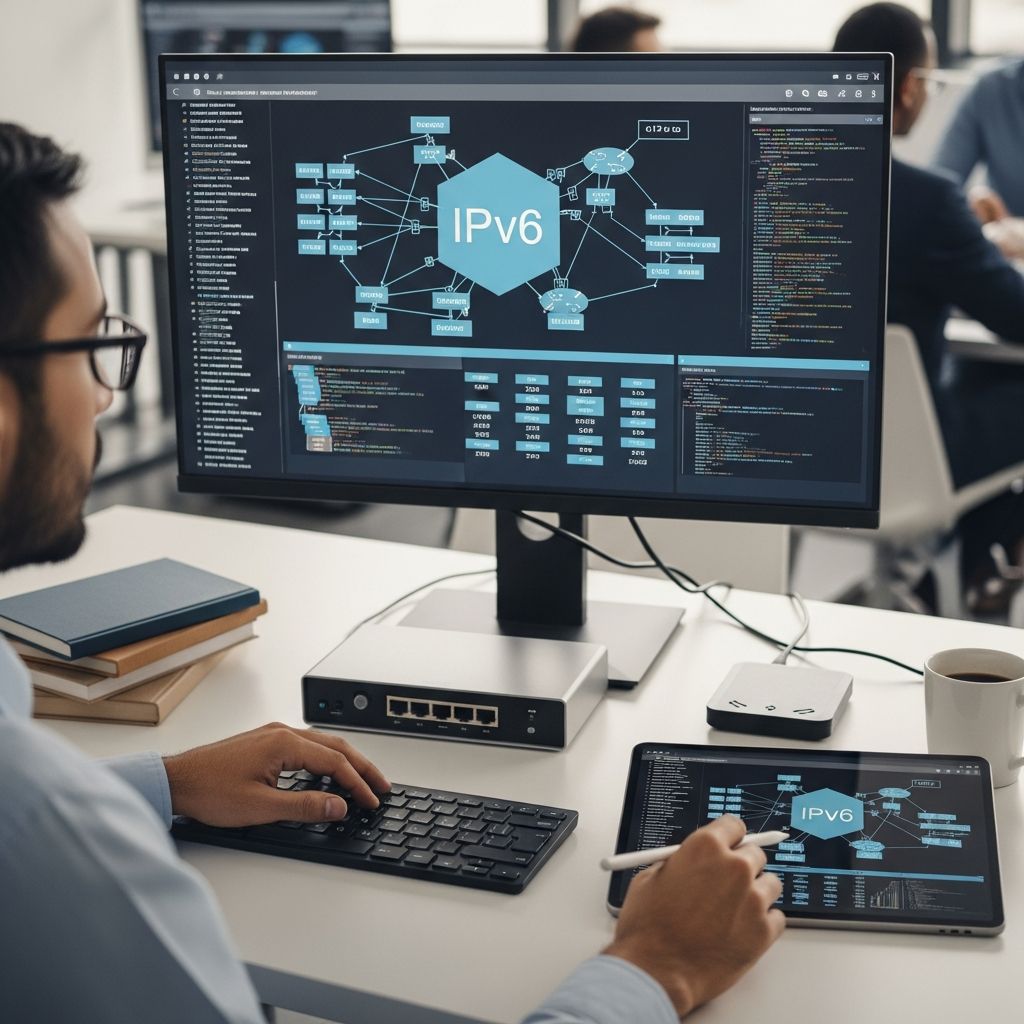
The transition to IPv6 has become a critical imperative for networks worldwide as IPv4 addresses dwindle. RIPE NCC, the Regional Internet Registry for Europe, the Middle East, and parts of Central Asia, stands at the forefront of this shift by providing robust training resources. These programs empower network engineers, IT professionals, and organizations to deploy, manage, and secure IPv6 infrastructures effectively. Whether you’re a novice seeking foundational knowledge or an expert aiming for certification, RIPE NCC’s offerings deliver practical, hands-on learning tailored to real-world challenges.
Why IPv6 Training Matters Today
IPv6 adoption has surged, with global deployment reaching over 40% as of 2025, according to recent metrics from official monitoring tools. Yet, many networks still grapple with incomplete implementations, security gaps, and transition complexities. RIPE NCC addresses these pain points through structured education that bridges theory and practice. Their training emphasizes not just protocol basics but also strategic deployment, routing optimization, and integration with legacy systems.
- Addressing Scarcity: With IPv4 exhaustion since 2012 in the RIPE region, IPv6 is the sustainable path forward.
- Skill Gaps: Surveys show 60% of operators lack confidence in IPv6 troubleshooting, making targeted training essential.
- Business Imperative: Enterprises delaying IPv6 risk connectivity issues with major content providers now prioritizing it.
Core Components of RIPE NCC’s IPv6 Education Suite
RIPE NCC’s portfolio spans multiple formats to accommodate diverse learning preferences and schedules. This multi-modal approach ensures accessibility for individuals and teams across the globe.
Interactive E-Learning Platform
The cornerstone is the RIPE NCC Academy, a free online hub hosting self-paced courses. Modules cover IPv6 fundamentals, security essentials, and advanced deployment strategies. Each course features interactive elements like quizzes, videos, and virtual labs simulating real network environments.
| Course Level | Duration | Key Topics | Target Audience |
|---|---|---|---|
| Fundamentals | 10-15 hours | Addressing, Neighbor Discovery, Basic Routing | Beginners, IT Admins |
| Security | 12-20 hours | IPsec, Firewalls, Threat Mitigation | Security Specialists |
| Advanced | 25+ hours | Infrastructure Design, Monitoring, Troubleshooting | Network Architects |
In-Person and Virtual Workshops
For immersive learning, RIPE NCC organizes workshops in member countries and via live webinars. These sessions include practical exercises on configuring dual-stack setups, BGP peering for IPv6, and RPKI implementation. Virtual formats expanded post-2020, offering global reach without travel.
Certification Pathways
RIPE NCC offers professional certifications validating expertise. Exams test practical skills in areas like IPv6 Fundamentals Analyst and Security Expert, enhancing resumes and organizational credibility.
Mastering IPv6 Fundamentals
Entry-level training demystifies IPv6 basics. Learners explore the 128-bit address structure, contrasting it with IPv4’s limitations. Key protocols like Neighbor Discovery Protocol (NDP) replace ARP, enabling stateless autoconfiguration vital for large-scale deployments.
Hands-on labs guide users through:
- Assigning global unicast addresses via SLAAC or DHCPv6.
- Testing connectivity with ping6 and traceroute6.
- Configuring AAAA records in DNS for dual-stack services.
These foundations prepare participants for production environments, reducing common pitfalls like address fragmentation.
Advanced IPv6 Deployment Strategies
Beyond basics, advanced courses tackle enterprise-scale implementations. Topics include crafting efficient address plans for multi-site networks, selecting transition technologies like 6to4 or NAT64, and optimizing for cloud and data center architectures.
A dedicated module on IPv6 in backbone networks covers:
- Prefix Delegation: Requesting /32 allocations from RIPE NCC and sub-delegating to customers.
- BGP Enhancements: IPv6-specific attributes, route filtering, and community usage.
- Peering Best Practices: Negotiating sessions at IXPs with IPv6 support now standard.
Case studies from RIPE NCC events illustrate successful rollouts, such as ISPs achieving 90% customer coverage within a year.
Securing IPv6 Networks
Security training addresses IPv6-unique risks, like Router Advertisement spoofing mitigated by Secure Neighbor Discovery (SEND). IPsec integration is mandatory in IPv6 design, providing end-to-end encryption superior to IPv4 add-ons.
Practical segments include:
- Deploying IPv6 firewalls with stateful inspection.
- Setting ROAs via RPKI to prevent prefix hijacking.
- Monitoring with RIPE Atlas probes for reachability insights.
IPv6 for Applications and Services
Training extends to application layers. Web servers (Nginx, Apache) learn IPv6 socket binding, while DNS operators master AAAA propagation. Email admins configure MTAs for IPv6 MX records, tackling SPF/DKIM adjustments for dual-stack mail flow.
Common challenges covered:
- IPv6-only clients accessing IPv4 content via DNS64.
- Load balancers distributing across IPv6 endpoints.
- API endpoints requiring happy eyeballs for dual-stack preference.
Measuring and Improving IPv6 Readiness
RIPE NCC provides tools like IPv6 RIPEness, scoring networks on deployment metrics. Training teaches interpretation and action plans, from enabling basic reachability to full dual-stack maturity.
Getting Started with RIPE NCC Training
Access is straightforward: Register at the RIPE NCC Academy for free courses. Check the events calendar for workshops. Certifications require course completion and proctored exams.
Organizations can request on-site training for teams, customizing content to specific needs like hosting provider transitions.
Frequently Asked Questions (FAQ)
- Are RIPE NCC courses free?
- Yes, e-learning is free; workshops may have fees for venues, certifications are paid.
- Do I need prior networking knowledge?
- Fundamentals suit beginners; advanced assumes IPv4/BGP familiarity.
- How current is the content?
- Updated regularly to reflect standards like RFC 8981 for DETNet.
- Can non-Europeans participate?
- Absolutely—global access via online platforms.
- What equipment for labs?
- Browser-based; no personal hardware needed.
RIPE NCC’s IPv6 training transforms theoretical knowledge into operational excellence, future-proofing networks against address exhaustion and growth demands. Start your journey today and join the IPv6-enabled internet.
References
- RIPE NCC Academy – IPv6 Courses — RIPE NCC. 2025-01-15. https://academy.ripe.net
- IPv6 Measurements – RIPEstat — RIPE NCC. 2026-05-01. https://stat.ripe.net
- RIPE NCC Training Courses and Events — RIPE NCC. 2026-04-20. https://www.ripe.net/training
- IPv6 Address Allocation Policies — RIPE NCC. 2012-09-14 (authoritative policy doc). https://www.ripe.net/publications/docs/ripe-687
- World IPv6 Launch Metrics — Internet Society. 2025-06-06. https://www.internetsociety.org/deploy360/ipv6
Similar Articles







Read full bio of medha deb