Renewable Energy Restoration in Remote Mountain Communities
How volunteer initiatives bring solar power to isolated regions
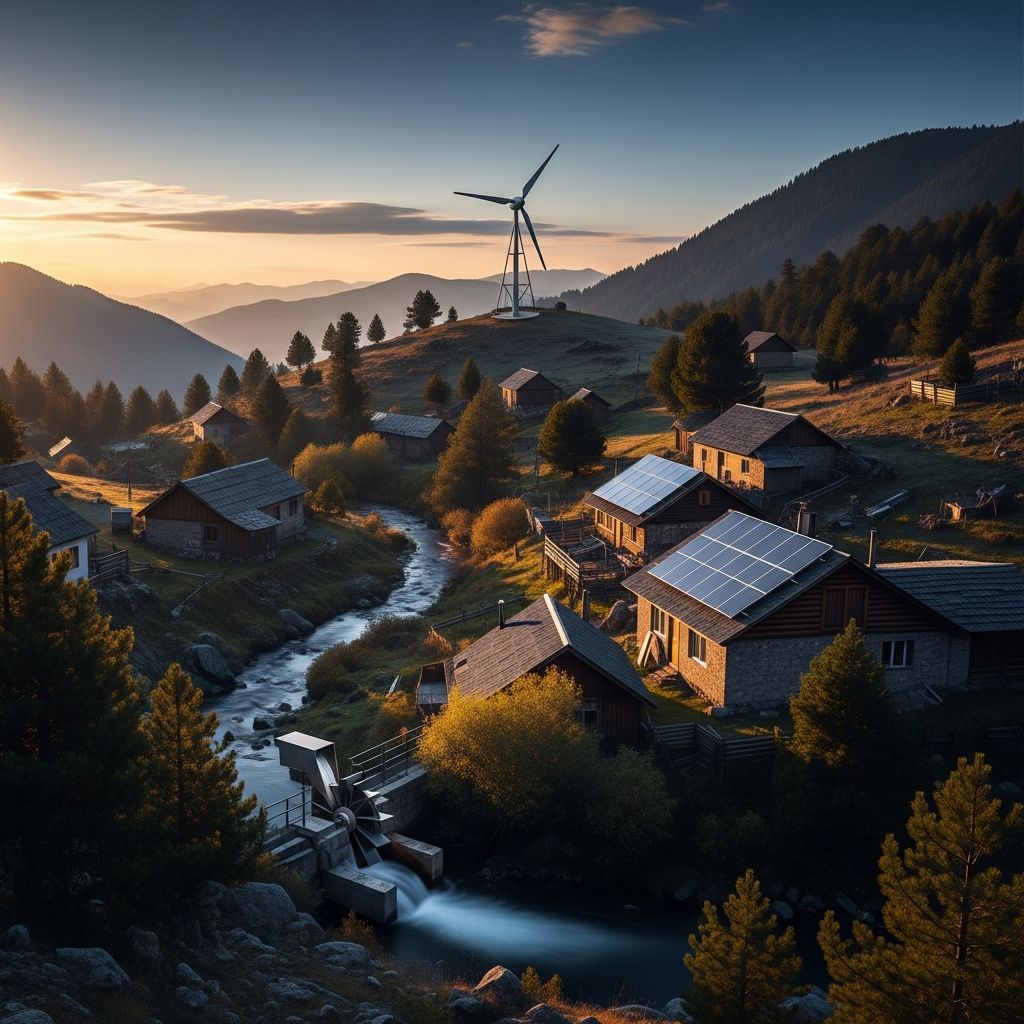
Access to reliable electricity remains one of the most significant challenges facing isolated communities in mountainous regions across the developing world. For decades, remote villages nestled in high-altitude terrain have endured intermittent or nonexistent power supplies, limiting educational opportunities, healthcare services, and economic advancement. The introduction of solar technology, combined with volunteer-led initiatives and community participation, has emerged as a transformative solution. These grassroots projects not only restore electrical connectivity but also foster local capacity building and sustainable development models that communities can maintain independently.
Understanding the Challenge of Energy Access in Isolated Regions
Remote mountain villages face unique obstacles when attempting to establish reliable electricity infrastructure. Traditional grid extension proves economically unfeasible when communities are scattered across difficult terrain with minimal population density. Geographic barriers create logistical complications that drive up installation costs and maintenance burdens. Furthermore, the existing electrical grid often cannot reach these settlements due to the prohibitive expenses associated with extending transmission lines across rugged landscapes.
These energy access gaps have cascading effects throughout village life. Students cannot study after sunset, forcing educational activities to rely solely on daylight hours. Healthcare facilities lack the power to refrigerate vaccines or operate diagnostic equipment effectively. Small businesses struggle to grow without consistent electricity for lighting, communication devices, or equipment operation. The absence of modern energy sources perpetuates cycles of poverty and limits opportunities for residents to improve their circumstances.
Solar Technology as a Decentralized Energy Solution
Solar power systems represent an ideal alternative for communities separated from centralized electrical infrastructure. Photovoltaic technology functions independently of grid connections, requiring only sunlight and basic installation to generate electricity. Unlike fossil fuel-based generators that demand continuous fuel supplies and produce environmental pollution, solar systems offer clean, renewable energy production with minimal ongoing operational requirements.
Decentralized solar solutions provide several advantages for remote settlements:
- Cost Efficiency: Eliminating the need for extensive transmission infrastructure reduces overall project expenditures significantly compared to grid extension initiatives
- Environmental Benefits: Solar generation produces zero emissions, protecting local ecosystems and contributing to global climate mitigation efforts
- Energy Independence: Communities gain autonomy over their power supply, reducing dependence on external energy providers and supply chains
- Scalability: Microgrids can expand incrementally as community needs grow and additional funding becomes available
- Low Maintenance Requirements: Solar systems operate with minimal moving parts, reducing the need for specialized technical expertise in routine upkeep
- Reliability in Remote Settings: Systems function consistently regardless of distance from urban centers or transmission network challenges
The Role of Community Participation in Project Success
Successful renewable energy projects in remote areas depend critically on meaningful engagement of local residents throughout all project phases. When communities participate actively in planning, installation, and management, they develop ownership stakes in project outcomes and invest in long-term sustainability. This participatory approach transforms energy projects from external interventions into community-driven initiatives.
Active community involvement encompasses multiple dimensions of project implementation. During planning stages, residents identify specific energy needs and priorities aligned with local development objectives. The installation phase provides opportunities for skill transfer as volunteers work alongside villagers, teaching technical knowledge that enables independent system maintenance. Communities also contribute essential labor for infrastructure development, such as site preparation and component transportation through challenging terrain.
This collaborative framework generates several positive outcomes beyond electricity provision:
- Local residents acquire technical competencies applicable to future maintenance and expansion efforts
- Communities develop stronger internal organization and collective decision-making capabilities
- Trust between external organizations and villagers strengthens, facilitating future development initiatives
- Project sustainability improves substantially when local people understand system operations and feel invested in protecting their investment
Overcoming Logistical Barriers in High-Altitude Installation
Installing solar infrastructure in mountainous terrain presents formidable practical challenges that require creative problem-solving and careful planning. Transporting heavy components—including photovoltaic panels, batteries, mounting structures, and inverters—across steep, narrow pathways demands substantial physical effort and coordination. Weather conditions in high-altitude regions create safety risks and limited installation windows, necessitating careful project scheduling aligned with seasonal patterns.
Project teams typically address these logistical challenges through several strategies:
- Local Labor Utilization: Recruiting community members familiar with mountain terrain for material transportation leverages existing knowledge of local geography and conditions
- Phased Implementation: Breaking projects into stages allows teams to accomplish critical work within favorable weather windows and adjust plans based on real-world conditions
- Equipment Selection: Choosing appropriately sized and portable components ensures that all materials can be transported feasibly without requiring heavy machinery access
- Volunteer Recruitment: Enlisting technically skilled volunteers supplements local capacity and brings specialized expertise for complex installation tasks
- Supply Chain Planning: Pre-positioning materials strategically at accessible locations minimizes the total distance that heavy components must travel through difficult terrain
Impact on Community Development and Quality of Life
The restoration of electrical access through solar projects catalyzes improvements across multiple dimensions of community life. Educational opportunities expand dramatically as students gain the ability to study effectively after dark. Schools can operate evening adult education programs, enabling continued learning for working adults and parents previously excluded from educational opportunities.
Healthcare delivery capabilities improve substantially with reliable electricity powering diagnostic equipment, vaccine storage, and communications systems that connect remote clinics to regional medical facilities. These enhancements enable communities to address health challenges more effectively and provide better prenatal and child health services. Women often experience particular benefits as improved lighting reduces security concerns associated with evening activities and enables small-scale economic enterprises operated during extended hours.
Economic development accelerates as small businesses gain the electricity necessary for value-added production activities and extended operating hours. Mobile phone charging stations become viable commercial services. Agro-processing operations can operate more efficiently. Communications technology access expands opportunities for market participation and connection to broader economic networks. These economic benefits contribute to poverty reduction and improved household incomes.
Building Local Technical Capacity and Knowledge Transfer
Sustainable energy projects prioritize knowledge transfer that enables communities to maintain systems independently after volunteer teams depart. Technical training programs teach local residents fundamental principles of solar system operation, basic troubleshooting procedures, and routine maintenance requirements. This capacity building ensures that systems continue functioning effectively over years and decades rather than deteriorating once external support concludes.
Effective knowledge transfer strategies include:
- Hands-on training during installation that demonstrates proper procedures and safety protocols
- Creation of locally-appropriate documentation explaining system operation in community languages
- Establishment of maintenance schedules with clear responsibility assignments among community members
- Development of spare parts inventory and connections to supply chains enabling future repairs
- Identification of individuals within the community to serve as primary technical contacts and system stewards
This investment in human capital generates benefits extending far beyond individual projects. Community members gain marketable skills applicable to other development initiatives. Young people see economic opportunities in renewable energy sectors and may pursue additional technical education. Communities build collective confidence in their capacity to manage complex infrastructure, encouraging engagement with other modernization efforts.
Addressing Battery Storage and System Reliability Challenges
Effective solar systems for remote communities require battery storage components that enable electricity availability during nighttime hours and cloudy weather periods when photovoltaic generation declines. Battery technologies have advanced substantially, offering improved energy density, longer operational lifespans, and reduced costs. However, battery management presents ongoing challenges including proper charging protocols, temperature regulation, and eventual replacement planning.
Successful projects incorporate battery management education into community training programs, ensuring residents understand charging procedures, discharge limitations, and safety protocols. Clear systems for tracking battery performance help communities identify degradation early and plan for eventual replacement. Some communities establish battery replacement funds through revenue generated from system usage, creating financial sustainability mechanisms for long-term maintenance.
Lessons and Best Practices from Successful Initiatives
Renewable energy projects undertaken across remote mountain communities have generated valuable lessons applicable to future implementations. Successful initiatives share common characteristics that distinguish them from less effective efforts. Early and sustained community engagement throughout project lifecycles correlates strongly with long-term sustainability and positive outcomes. Projects that invest time in understanding local energy needs rather than imposing predetermined solutions achieve superior results aligned with actual community priorities.
Effective initiatives also emphasize transparency regarding project timelines, costs, and expected outcomes. Clear communication prevents misunderstandings and builds trust between communities and external organizations. Successful projects maintain long-term relationships extending beyond initial installation, providing ongoing technical support and facilitating connections to additional development resources. Partnership approaches that respect community leadership and decision-making authority produce stronger outcomes than externally-directed interventions.
Future Opportunities and Scaling Renewable Energy Access
The success of decentralized solar projects in remote communities suggests significant potential for expanded renewable energy deployment in underserved regions. Continued technological improvements promise further reductions in equipment costs and increases in system efficiency. Growing recognition of climate imperatives and renewable energy’s economic advantages create favorable policy environments for expanded deployment.
Scaling renewable energy access requires coordinated efforts across multiple stakeholder groups. Governments can establish supportive policy frameworks and direct development resources toward underserved communities. International development organizations can provide technical expertise and financial resources. Private sector engagement through corporate social responsibility initiatives and social enterprises can mobilize additional capital and innovation. Communities themselves remain essential partners whose leadership, participation, and long-term commitment determine project success.
References
- Dhapsung Microgrid, Sindhupalchok, Nepal: Case Study — GRID Alternatives. 2016. https://gridalternatives.org/dhapsung-microgrid-sindhupalchok-nepal-case-study
- Microgrid Systems for Rural Development — Kathmandu University, School of Development Studies. https://thegreenprogram.com/program/study-abroad-programs-in-nepal/
- Solar power in Nepal — The Longest Way Home. https://www.thelongestwayhome.com/blog/nepal/solar-power-in-nepal/
- International Program Projects Overview — GRID Alternatives. https://gridalternatives.org/what-we-do/international-program/projects
- Build Resilient Communities With Solar in Nepal — Action Change (Formerly GVI Trust). 2023-07-11. https://www.globalgiving.org/projects/clean-water-and-reusable-energy-in-nepal/reports/?subid=218854
Similar Articles







Read full bio of Sneha Tete