Pioneering Internet Governance in Quetta
How local chapters are expanding digital policy education to underserved regions in Pakistan, fostering inclusive online futures.
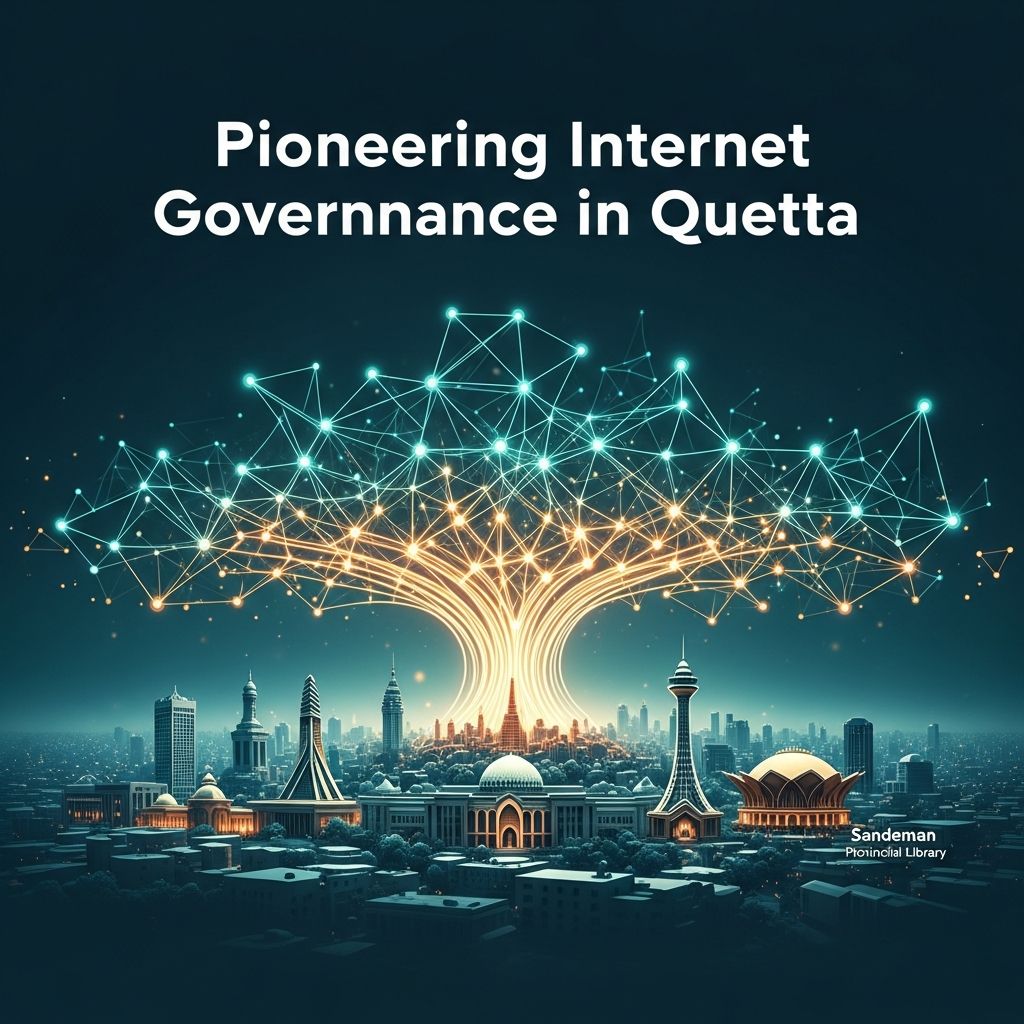
The digital landscape in Pakistan is evolving rapidly, with increasing demands for equitable access, robust policies, and skilled professionals to navigate complex internet issues. A groundbreaking initiative recently spotlighted Quetta, the capital of Balochistan, by hosting Pakistan’s premier school on internet governance for the first time outside major urban centers. This event marked a significant step toward bridging regional disparities in digital education and policy awareness.
Bridging the Regional Digital Divide
Balochistan, Pakistan’s largest province by area, has long faced challenges in internet infrastructure and digital literacy. With vast rural expanses and limited connectivity, residents often miss out on the opportunities that urban areas like Islamabad and Lahore enjoy. The decision to bring a high-level internet governance program to Quetta was strategic, aiming to empower local stakeholders—including students, professionals, and policymakers—with essential knowledge.
This initiative underscores the importance of decentralized education. By conducting the event at the National Incubation Center in Quetta, organizers ensured accessibility for participants from across the province. Attendees traveled from remote districts, highlighting the hunger for such programs in underserved areas. The multi-day workshop covered foundational concepts to advanced topics, fostering a network of informed advocates for better internet policies.
Core Objectives and Program Highlights
The school focused on equipping participants with practical insights into global and local internet governance frameworks. Sessions delved into critical areas such as cybersecurity, data privacy, spectrum management, and the role of multistakeholder models in decision-making. Expert facilitators from academia, industry, and civil society led interactive discussions, simulations, and group projects.
- Policy Development: Exploring how national strategies align with international standards like those from the Internet Corporation for Assigned Names and Numbers (ICANN) and the Internet Governance Forum (IGF).
- Technical Foundations: Hands-on training on internet protocols, routing, and emerging technologies like IPv6 deployment.
- Inclusive Access: Strategies to enhance connectivity in hard-to-reach areas, including satellite and fiber optic solutions.
- Ethical Considerations: Debates on balancing innovation with user rights, content regulation, and digital sovereignty.
One standout feature was the emphasis on real-world applications. Participants analyzed Pakistan-specific case studies, such as mobile broadband expansion and responses to cyber threats. This approach made abstract concepts tangible, enabling attendees to envision their roles in shaping the country’s digital future.
Participant Profiles and Transformative Experiences
Diversity was a hallmark of the event, with over 30 participants ranging from university students to IT professionals and government officials. Many hailed from Balochistan’s universities, bringing fresh perspectives on local challenges like low bandwidth and high costs.
“This was a game-changer for me. Learning about global governance models opened my eyes to possibilities for improving internet access in my community.” – Local participant from Quetta University.
Feedback surveys revealed high satisfaction, with 95% of attendees rating the content as highly relevant. Networking opportunities were invaluable, forging connections that could lead to collaborative projects. For instance, several participants expressed interest in forming a local chapter of internet governance enthusiasts to sustain momentum.
Key Speakers and Collaborative Efforts
The program benefited from the expertise of renowned figures in Pakistan’s tech ecosystem. Leaders from the Internet Society’s Islamabad Chapter coordinated logistics, while guest speakers from the Pakistan Telecommunication Authority (PTA) and National University of Sciences and Technology (NUST) shared regulatory insights. PTA’s involvement in similar forums reinforced the event’s credibility.
| Speaker | Affiliation | Topic |
|---|---|---|
| Dr. XYZ | ISOC Islamabad | Multistakeholder Governance |
| Eng. ABC | PTA | Spectrum Policy |
| Prof. DEF | Balochistan University | Digital Inclusion Strategies |
These collaborations highlighted the multistakeholder approach central to internet governance, involving governments, private sector, and civil society.
Challenges Addressed in Balochistan Context
Quetta’s event tackled region-specific hurdles. Balochistan’s terrain complicates infrastructure rollout, with security concerns adding layers of complexity. Discussions emphasized affordable backhaul solutions and community networks. Recent events, such as those documented in connectivity crises, underscored the urgency of resilient systems.
Participants debated net neutrality, data localization, and the impact of social media on local cultures. A key takeaway was the need for youth involvement in policy forums to ensure policies reflect ground realities.
Future Prospects and Expansion Plans
The success of this inaugural Quetta edition paves the way for annual events. Organizers plan to scale up, targeting more provinces like Sindh and Khyber Pakhtunkhwa. Integration with national IGF meetings could amplify impact, as seen in PTA-hosted hubs.
Long-term goals include certification programs and online resources tailored for Pakistani contexts. By nurturing a new generation of governance experts, these initiatives aim to position Pakistan as a regional leader in equitable digital development.
Measuring Impact and Success Metrics
Post-event evaluations tracked knowledge gains through pre- and post-tests, showing a 40% average improvement. Follow-up webinars are planned to maintain engagement. Social media buzz, with hashtags trending locally, indicates growing public interest.
- Number of participants: 35
- Regions represented: 5 districts in Balochistan
- Follow-on commitments: 20 participants pledged advocacy roles
Broader Implications for Pakistan’s Digital Ecosystem
This event aligns with global trends toward inclusive governance, echoing UN Sustainable Development Goals for universal connectivity. In Pakistan, where internet penetration hovers around 50%, such programs are vital for closing gaps. They also prepare the ground for 5G rollout and IoT adoption, as hinted in upcoming conferences like ICIOTES 2026.
Ultimately, empowering Quetta’s youth signals a commitment to decentralized progress, ensuring no region is left behind in the digital revolution.
Frequently Asked Questions (FAQs)
What is the Pakistan School on Internet Governance?
A capacity-building program introducing participants to key internet policy issues, held annually since 2015.
Why was Quetta chosen for this event?
To address Balochistan’s digital divide and bring expertise to an underserved province.
Who can participate in future editions?
Students, professionals, and policymakers interested in internet technologies and policies.
How does this relate to global IGF?
It feeds into national IGF discussions, promoting local input on international agendas.
Are there online resources from the event?
Yes, slides and recordings are available via ISOC Pakistan chapters.
References
- Internet Governance Forum Annual Meeting Held — Pakistan Telecommunication Authority (PTA). 2023-06-01. https://www.pta.gov.pk/category/internet-governance-forum-annual-meeting-held-385134816-2023-06-01
- Connectivity in Crisis: What the Recent Events in Balochistan Reveal — NetMission.Asia. 2026-04-01. https://netmission.asia/2026/04/01/connectivity-in-crisis-what-the-recent-events-in-balochistan-pakistan-reveal-about-digital-rights-and-internet-governance/
- Internet Society Pakistan Islamabad Chapter — ISOC Pakistan. Accessed 2026. https://isoc.pk
- Events – PTA — Pakistan Telecommunication Authority (PTA). Accessed 2026. https://www.pta.gov.pk/view-all-events
- Internet Society Islamabad Chapter — ISOC-IBD. Accessed 2026. https://isocibd.org.pk
Similar Articles






Read full bio of Sneha Tete