PacNOG 19: Boosting Network Skills
Discover how PacNOG 19 empowered Pacific network operators with cutting-edge training on IPv6, DNSSEC, and more for a resilient digital future.
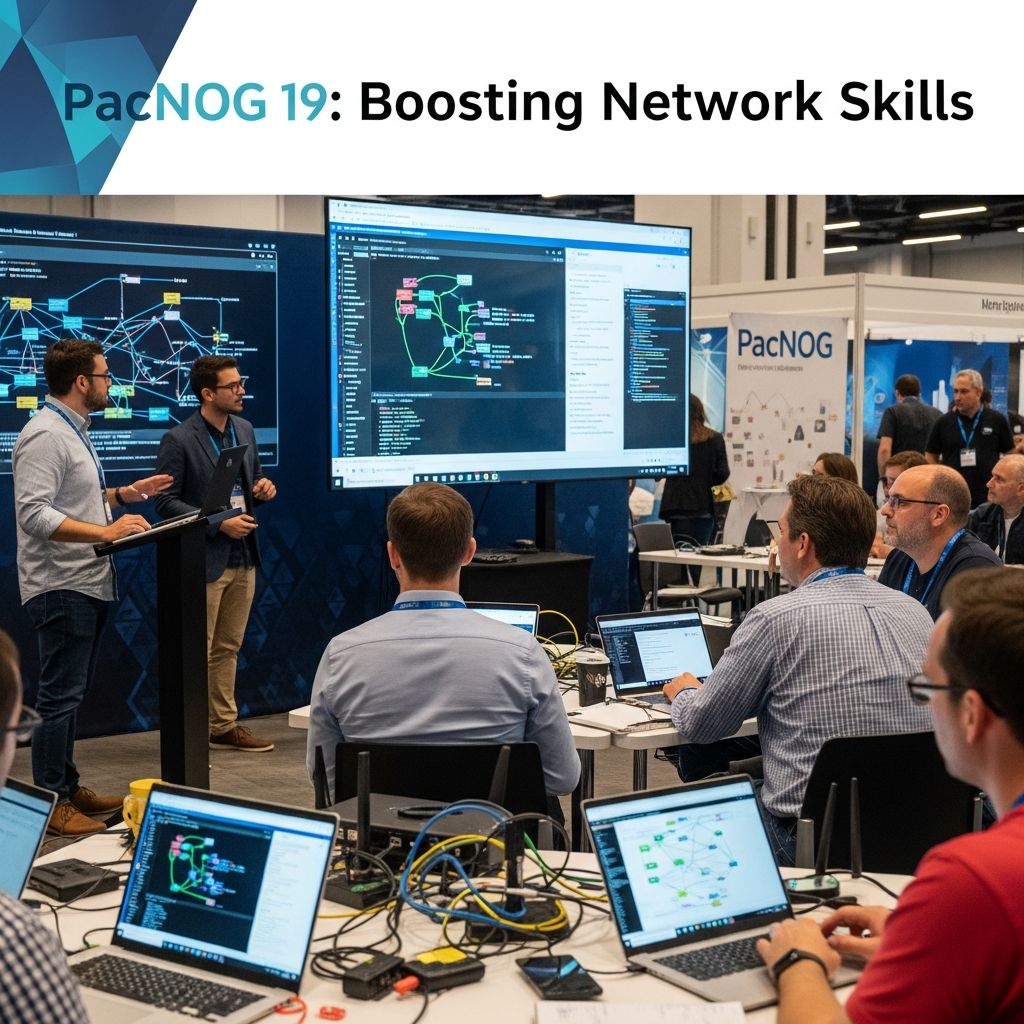
The Pacific Network Operators Group (PacNOG) stands as a cornerstone for technical collaboration in one of the world’s most geographically dispersed regions. At its 19th iteration, held in the vibrant setting of Nadi, Fiji, this gathering brought together hundreds of professionals dedicated to enhancing internet reliability and performance across Pacific islands. Sponsored by initiatives like the Internet Society’s Deploy360 program, PacNOG 19 featured a dynamic blend of conference discussions and intensive workshops, addressing pressing challenges in network engineering.
Why Regional Forums Matter for Network Evolution
In an era where digital connectivity underpins economic growth, education, and disaster response, regional forums like PacNOG play a pivotal role. The Pacific region’s unique challenges—such as vast oceanic distances, vulnerability to natural disasters, and limited infrastructure—demand tailored solutions. PacNOG provides a platform for knowledge exchange, allowing operators from small island nations to learn from global experts and peers.
Events like this foster not just technical skills but also community resilience. Participants gain hands-on experience with emerging technologies, ensuring that even remote networks can adopt modern standards. The emphasis on practical training distinguishes PacNOG, making complex topics accessible to engineers at all levels.
Unpacking the Dual-Track Event Format
PacNOG 19 smartly divided its agenda into a conference track for high-level insights and a workshop track for deep dives. This structure maximized value for attendees, from policymakers to frontline technicians.
- Conference Sessions: Focused on strategic overviews, policy updates, and case studies from real-world deployments.
- Workshop Tracks: Offered multi-day labs on critical technologies, complete with equipment and instructor guidance.
This format ensured broad coverage while allowing specialization, with over 200 participants engaging actively throughout the week.
IPv6 Deployment: Bridging the Address Gap
IPv6 adoption remains a global priority, and PacNOG 19 dedicated significant time to accelerating its rollout in the Pacific. With IPv4 addresses nearly exhausted, transitioning to IPv6 is essential for future-proofing networks.
Workshops covered transition mechanisms like dual-stack configurations and tunneling protocols. Instructors demonstrated how to configure routers for seamless IPv6 integration, addressing common pitfalls such as prefix delegation and neighbor discovery issues. A key highlight was exploring native IPv6 deployment strategies suited to the region’s submarine cable dependencies.
| IPv6 Challenge | PacNOG Solution |
|---|---|
| Address Allocation | Hands-on PD (Prefix Delegation) setup |
| Application Compatibility | Testing tools for IPv6-ready apps |
| Routing Scalability | BGP peering with IPv6 extensions |
Attendees left equipped to measure their networks’ IPv6 readiness, using metrics like reachability rates and traffic shares. Recent data from APNIC shows Asia-Pacific IPv6 capability at around 17-56% among members, underscoring the urgency.
Securing DNS with DNSSEC Mastery
DNSSEC (DNS Security Extensions) was another focal point, tackling the rising threats of DNS spoofing and cache poisoning. Sessions explained how cryptographic signatures verify DNS responses, preventing man-in-the-middle attacks.
Practical labs guided participants through key generation, zone signing, and chain of trust validation. Emphasis was placed on operational challenges, such as signature refresh intervals and performance impacts on resolvers. For Pacific operators, integrating DNSSEC with local TLDs emerged as a priority for enhancing trust in regional domains.
- Key Tools: BIND, Unbound, and validator software.
- Best Practices: Automating rollovers and monitoring for breaks.
ARIN’s updates on reverse DNSSEC for IPv4 and IPv6 zones inspired discussions on delegated signing, enabling easier adoption without full registry changes.
Mastering BGP for Secure Routing
Border Gateway Protocol (BGP) security took center stage amid growing route hijacking incidents. Workshops delved into BGPsec and RPKI (Resource Public Key Infrastructure), tools for validating route origins and paths.
Instructors walked through ROA (Route Origin Authorization) creation and deployment, using real routers to simulate hijack scenarios. Participants practiced filtering invalid routes, a critical skill for preventing outages like those seen in major incidents.
The session highlighted BCOP (Best Current Operational Practices) drafts from groups like NANOG and RIPE NCC, adapting them for Pacific contexts. Topics included dampening, prefix limits, and peering templates.
Best Current Operational Practices Exchange
BCOP sessions showcased community-driven documents on operational excellence. Global efforts from AfNOG, JANOG, and others were reviewed, with drafts on topics like anycast deployment and DDoS mitigation.
Pacific operators shared localized insights, such as handling intermittent connectivity during cyclones. The collaborative spirit emphasized open-source contributions to repositories, ensuring knowledge remains current and vetted.
Hands-On Training: The Heart of PacNOG
Workshops spanned five days, with parallel tracks ensuring comprehensive coverage. Equipment from sponsors like APNIC provided real-world labs, from packet captures to full-stack simulations.
Feedback highlighted the value of peer learning, where experienced operators mentored newcomers. Certifications and follow-up resources extended the event’s impact.
Internet Society’s Deploy360 Role
The Deploy360 program, represented by experts like Aftab Siddiqui, amplified PacNOG 19. This initiative promotes IPv6, DNSSEC, and mutual peering through global events, tailoring content to regional needs.
Its presence underscored a commitment to measurement tools and policy advocacy, helping operators justify investments to stakeholders.
Measuring Success and Future Outlook
Post-event surveys revealed high satisfaction, with 90% of attendees planning immediate implementations. PacNOG 19 advanced Pacific internet maturity, contributing to goals like universal broadband access.
Looking ahead, PacNOG 20 promises deeper dives into 5G integration and AI-driven operations, building on this momentum.
Frequently Asked Questions
What is PacNOG?
PacNOG is the Pacific Network Operators Group, hosting annual meetings for internet professionals in Oceania to share skills and tackle regional challenges.
Why focus on IPv6 at PacNOG 19?
IPv6 addresses the IPv4 shortage, enabling scalable growth crucial for the Pacific’s expanding digital economy.
How does DNSSEC improve network security?
DNSSEC adds digital signatures to DNS data, ensuring authenticity and protecting against spoofing attacks.
What are BCOP documents?
BCOPs are community-vetted guides on best practices for network operations, covering BGP, DNS, and more.
Who should attend PacNOG events?
Network engineers, ISP staff, policymakers, and anyone involved in Pacific internet infrastructure.
References
- APNIC IPv6 Capabilities Report — APNIC. 2023-09-01. https://stats.labs.apnic.net/ipv6/
- ARIN Reverse DNSSEC Implementation — ARIN. 2016-01-01. https://www.arin.net/resources/guide/dnssec/ (Authoritative for legacy standards, still foundational for deployments).
- RIPE NCC BCOP Documents — RIPE NCC. 2024-05-01. https://www.ripe.net/publications/bcop/
- Internet Society Deploy360 Programme — Internet Society. 2016-12-01. https://www.internetsociety.org/deploy360/
- BCOP BoF Slides — Slideshare (NANOG/RIPE). 2016-10-01. https://www.slideshare.net/slideshow/bcop-bof/72838773
Similar Articles







Read full bio of Sneha Tete