NONOG: Norway’s Key Network Operators Forum
Discover how NONOG empowers Norwegian network pros with collaboration, knowledge sharing, and innovation for a resilient digital future.
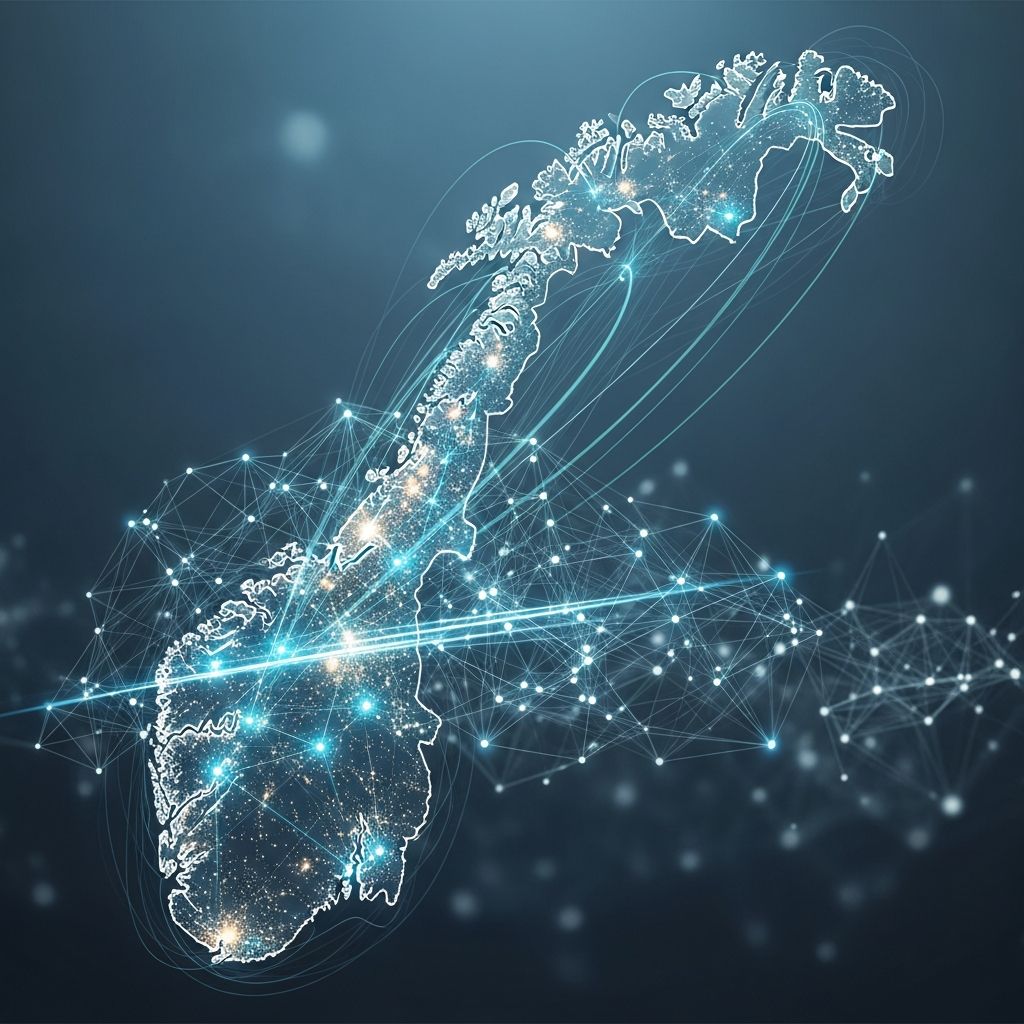
The digital landscape in Norway has evolved dramatically over the past decade, with network operators playing a pivotal role in maintaining a robust and efficient Internet infrastructure. At the heart of this evolution lies the Norwegian Network Operators’ Group, commonly known as NONOG. Established to bridge gaps in technical knowledge sharing and operational coordination, NONOG has become an indispensable platform for professionals dedicated to the health of Norway’s networks. This article delves into its foundations, development, contributions, and future trajectory, highlighting why such groups are essential in today’s interconnected world.
The Genesis of Operator Collaboration in Norway
In the mid-2010s, Norway’s Internet community recognized a pressing need for a dedicated space where network engineers, service providers, and related stakeholders could exchange insights. Drawing inspiration from global models, local enthusiasts proposed forming a national group during a gathering hosted by the Norwegian Internet Exchange (NIX). This pivotal moment marked the birth of NONOG, aimed at addressing unique challenges faced by Nordic operators, such as harsh weather impacts on infrastructure and the push for high-speed broadband nationwide.
Unlike formal organizations, NONOG operates as an informal network, emphasizing open dialogue over rigid hierarchies. Its inception was met with enthusiasm, as participants saw value in discussing peering arrangements, security threats, and emerging technologies without commercial constraints. This grassroots approach ensured quick adoption, with initial meetings focusing on practical topics like IPv6 deployment and DDoS mitigation strategies.
Understanding Network Operators’ Groups Worldwide
Network Operators’ Groups (NOGs) represent a global phenomenon, providing forums for technical discourse among those who build and maintain the Internet’s backbone. In North America, NANOG sets the standard with its biannual conferences and influential mailing lists, tackling issues from routing protocols to operational best practices.1 Similarly, Europe’s RIPE NCC actively supports regional NOGs, offering resources and training to enhance resilience.2
- Core Functions: Knowledge dissemination via talks, workshops, and lists.
- Community Building: Fostering trust among competitors for mutual benefit.
- Innovation Driver: Early adoption of standards like BGP improvements.
NONOG adapts this model to Norway’s context, integrating with NIX to leverage existing infrastructure. This synergy has amplified its reach, attracting operators from telecom giants to smaller ISPs.
NONOG’s Structure and Operational Model
NONOG’s lightweight structure prioritizes accessibility. Governed by volunteers, it relies on a simple website for announcements, a mailing list for daily discussions, and periodic conferences for in-depth sessions. No membership fees barrier entry, aligning with its open ethos.
| Aspect | Details |
|---|---|
| Governance | Volunteer steering committee |
| Communication | Mailing list, website, social channels |
| Events | Annual meetings co-hosted with NIX |
| Focus Areas | Peering, security, IPv6, sustainability |
This model ensures sustainability, with events funded through sponsorships from aligned industry players. By 2026, NONOG has hosted multiple iterations, including NONOG-8 scheduled for September 9th, solidifying its calendar presence.3
Major Milestones and Achievements
From humble beginnings, NONOG has notched significant wins. Early conferences tackled Norway’s fiber rollout challenges, contributing to national broadband goals. A standout achievement was coordinating responses to major outages, where shared diagnostics reduced downtime across providers.
- 2016 Launch: First formal discussions at NIX meeting.
- 2018 Expansion: Introduction of hands-on workshops.
- 2023 Conference: Record attendance with international speakers.
- 2026 Outlook: Plans for hybrid formats to broaden participation.
These milestones underscore NONOG’s role in elevating Norway’s network maturity, evidenced by improved global rankings in Internet speed and reliability.
Key Benefits for Participants and the Ecosystem
Membership in NONOG yields tangible advantages. Operators gain insider knowledge on troubleshooting complex issues, from submarine cable faults to 5G integration. The peer-support network often leads to informal partnerships, optimizing traffic exchange via NIX.
- Access to cutting-edge presentations on SDN and automation.
- Networking opportunities with decision-makers.
- Contribution to policy inputs on spectrum allocation.
For the broader ecosystem, NONOG enhances resilience. Collaborative threat intelligence has thwarted several cyber incidents, protecting end-users. Moreover, its advocacy promotes open standards, countering vendor lock-in.
Challenges and Adaptive Strategies
Despite successes, NONOG faces hurdles like volunteer burnout and evolving threats. The rise of cloud-native networks demands new expertise, prompting curriculum updates. Geopolitical tensions also influence discussions on supply chain security.
To adapt, NONOG has embraced hybrid events post-pandemic, increasing inclusivity. Partnerships with RIPE NCC provide training grants, ensuring skill development keeps pace with technologies like AI-driven operations.2
Technical Topics Dominating NONOG Agendas
Conferences feature diverse sessions reflecting operator priorities:
- Routing and Peering: BGP security enhancements and IXP optimizations.
- Security: Zero-trust models and ransomware defenses.
- Performance: Telemetry tools for real-time monitoring.
- Sustainability: Energy-efficient hardware amid green mandates.
These topics not only inform but also spur actionable outcomes, such as joint whitepapers on best practices.
NONOG’s Role in Norway’s Digital Strategy
Norway’s government targets ubiquitous gigabit connectivity by 2030, with NONOG instrumental in realization. Operator inputs have shaped regulations, ensuring competition fosters innovation. Internationally, NONOG elevates Norway’s voice in global forums like the Internet Governance Forum.
Future Directions and Emerging Opportunities
Looking ahead, NONOG eyes expansion into edge computing and quantum-safe cryptography. Plans include mentorship programs for newcomers and research collaborations with universities. As 6G horizons emerge, NONOG positions itself as the go-to for forward-thinking discourse.
Frequently Asked Questions (FAQs)
What is NONOG?
NONOG is an informal group for Norwegian network operators to share knowledge and collaborate on Internet operations.
How do I join NONOG?
Subscribe to the mailing list via nonog.net and attend events—no fees required.
What happens at NONOG meetings?
Technical talks, workshops, and networking focused on real-world network challenges.
Is NONOG connected to NIX?
Yes, they co-host conferences, leveraging NIX’s infrastructure for peering discussions.
Can international operators participate?
Absolutely—many events welcome global experts for diverse perspectives.
In summary, NONOG exemplifies how community-driven initiatives propel technological progress. By nurturing expertise and cooperation, it safeguards Norway’s digital sovereignty while contributing to a stronger global Internet.
References
- NANOG Home Page — NANOG. Accessed 2026. https://www.nanog.org
- Network Operator Groups — RIPE NCC Labs. 2023-09-27. https://labs.ripe.net/nogs/
- NONOG Official Site — NONOG. Accessed 2026. https://nonog.net
- Internet network operators’ group — Wikipedia (informed by primary NOG sites). Accessed 2026. https://en.wikipedia.org/wiki/Internet_network_operators%27_group
Similar Articles








Read full bio of Sneha Tete