No Keys Under the Doormat: Encryption Realities
Why mandating backdoors in encryption undermines global security and trust in digital systems.
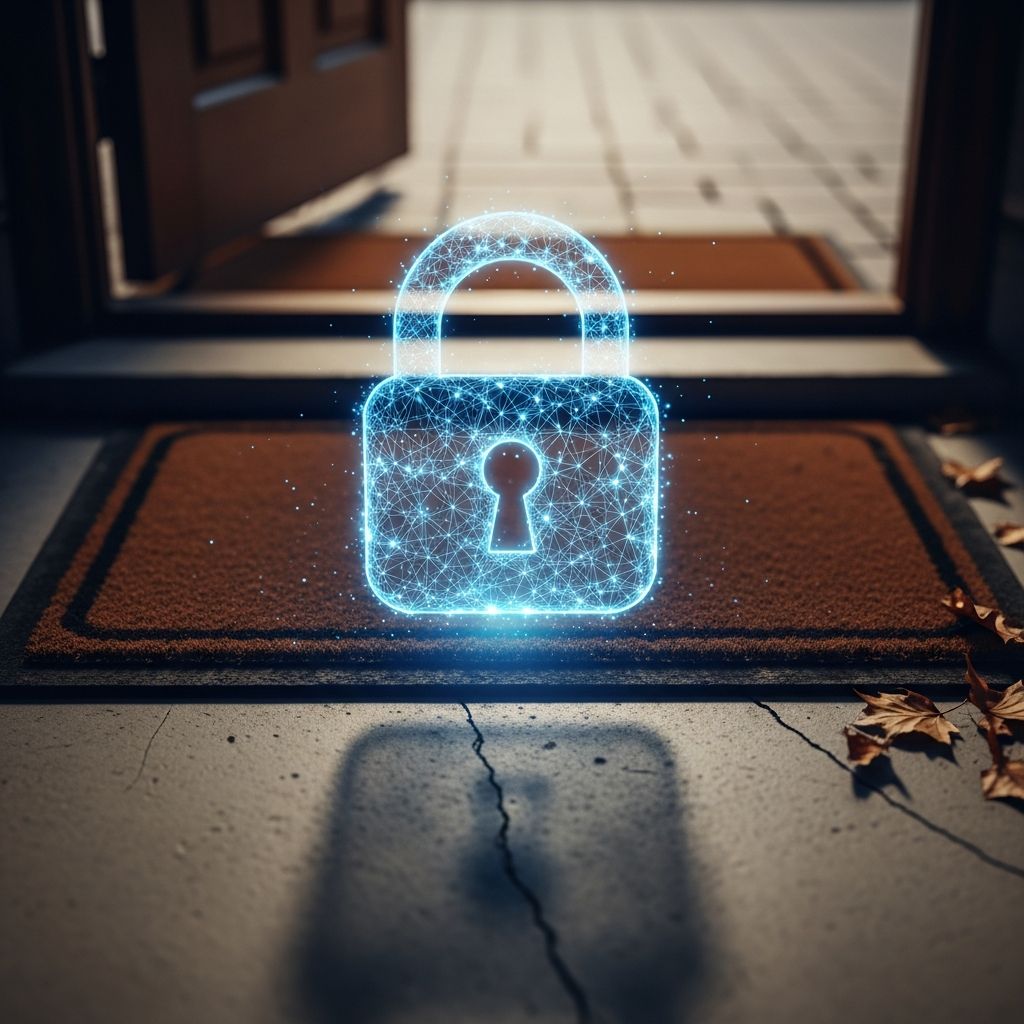
In an era where data breaches dominate headlines and cyber threats evolve daily, the push for unbreakable encryption clashes with demands for law enforcement access. The metaphor of hiding ‘keys under the doormat’ captures a dangerous compromise: providing governments with built-in ways to unlock encrypted communications and devices. But as technical communities emphasize, this idea doesn’t just risk abuse— it fundamentally erodes the security fabric of the internet.
The Encryption Imperative in Today’s Digital World
Encryption serves as the cornerstone of secure online interactions. From banking transactions to private messages, it ensures that only intended recipients can access sensitive information. Modern protocols like TLS 1.3 and end-to-end encryption in apps such as Signal protect billions of users daily.
However, calls for ‘exceptional access’—where tech companies must build in mechanisms for authorized decryption—threaten this foundation. Proponents argue it’s essential for combating crime and terrorism. Critics, including leading cryptographers, counter that no such system can be foolproof.
- Encryption prevents mass surveillance by default.
- It shields data from nation-state actors and cybercriminals alike.
- Weakening it invites exploitation by anyone who discovers the backdoor.
Historical Context: Lessons from Clipper and Beyond
The debate isn’t new. In the 1990s, the U.S. government’s Clipper Chip initiative proposed key escrow for phone encryption, allowing agencies to decrypt communications with a court order. Public outcry and technical flaws doomed it.
Today, the landscape is vastly more complex. Devices connect via millions of apps, cloud services, and IoT gadgets. A single backdoor could ripple across global networks, amplifying risks in ways unimaginable decades ago.
Technical Flaws in Backdoor Designs
Building secure exceptional access is technically infeasible without introducing vulnerabilities. Here’s why:
| Challenge | Impact |
|---|---|
| Key Management Complexity | Escrow systems must handle millions of keys securely, but breaches like the 2015 OPM hack show even governments struggle. |
| Modern encryption uses ephemeral keys to limit breach damage; backdoors force permanent keys, exposing past and future data. | |
| Global App Ecosystem | With open-source apps and third-party developers, mandating backdoors leads to inconsistent implementations and hidden flaws. |
These issues compound in a world of zero-day exploits and advanced persistent threats (APTs).
Risks Amplified by Modern Internet Architecture
The internet’s scale exacerbates backdoor dangers. Consider:
- Attack Surface Expansion: Every access mechanism becomes a target for hackers. A 2023 NIST report highlights how dual-use tools (designed for good) get weaponized.
- International Complications: U.S. mandates don’t bind foreign firms; adversaries like China could demand their own keys, fracturing trust.
- IoT Vulnerabilities: Smart homes and cars rely on encryption; backdoors turn them into surveillance tools or remote kill switches.
Statistics underscore the peril: Cybersecurity firm CrowdStrike reported over 1,000 ransomware groups active in 2025 alone, many exploiting weak links.
Expert Consensus Against Mandated Access
Prominent voices unite in opposition. The 2015 ‘Keys Under Doormats’ paper, authored by MIT researchers and endorsed by the Internet Society, analyzed proposals exhaustively. They concluded: “It is impossible to build systems that can securely support exceptional access capabilities without breaking the trust guarantees of the web platform.”
Recent affirmations persist. In 2024, the Internet Architecture Board (IAB) reiterated that end-to-end encryption must remain sacrosanct for user privacy.
“Mandating insecurity by requiring government access to all data and communications would cause greater damage today than 20 years ago.” — Keys Under Doormats Report
Case Studies: When Access Mechanisms Fail
The Apple-FBI San Bernardino Clash
In 2016, the FBI sought Apple’s help to unlock an iPhone linked to a shooting. Apple refused, citing risks to all users. The case spotlighted how compelled access erodes device security.
SS7 Protocol Exploits
Telecom’s SS7 flaws allowed global spying without backdoors. Adding intentional weaknesses would dwarf these issues.
Recent Cloud Breaches
2025’s LastPass incident exposed how even strong encryption falters if keys are mishandled—imagine deliberate escrow flaws.
Alternatives to Backdoors: Smarter Security Paths
Rather than weakening encryption, focus on targeted solutions:
- Legal Warrants with Cooperation: Companies provide data pre-encryption when legally compelled, as Google and Microsoft do.
- Advanced Forensics: Invest in tools like memory forensics, avoiding systemic risks.
- International Standards: Promote mutual legal assistance treaties (MLATs) for cross-border access.
- AI-Driven Threat Detection: Metadata analysis flags suspicious patterns without touching content.
These preserve security while enabling legitimate investigations. FBI data shows 80% of decrypted devices come via user-provided passcodes, not backdoors.
Global Policy Landscape and Future Outlook
Nations diverge: The EU’s ePrivacy Regulation balances privacy with security. Australia’s 2018 Assistance and Access Act allows capability notices but faced industry backlash. China’s encryption laws mandate backdoors, correlating with rampant state surveillance.
By 2026, quantum computing looms, demanding post-quantum encryption. Backdoors would complicate this migration, leaving systems exposed longer.
FAQs on Encryption and Government Access
What is ‘exceptional access’?
A mechanism allowing law enforcement to decrypt data with legal authorization, typically via built-in keys or escrow.
Does encryption hinder all investigations?
No—most cases resolve via warrants for unencrypted data, device unlocks, or metadata.
Can backdoors be limited to ‘good guys’?
History says no. Vulnerabilities get discovered and abused regardless of intent.
What about terrorists using encryption?
Criminals adapt; weakening everyone’s security aids them more than targeted tools.
Is strong encryption uncrackable?
With perfect implementation, yes for practical purposes. Backdoors intentionally crack it.
Conclusion: Prioritize Robust Security
Leaving keys under the doormat invites burglars—digital or otherwise. The technical community, from Internet Society to MIT, urges policymakers: strengthen encryption, don’t sabotage it. Robust security benefits society, enabling innovation while curbing crime through smart, non-invasive means. The path forward lies in collaboration, not compromise.
References
- Keys Under Doormats: Mandating Insecurity by Requiring Government Access to All Data and Communications — Matthew Green et al., MIT Internet Policy Research Initiative. 2015-07-06. https://internetpolicy.mit.edu/kud/
- Hypertext Transfer Protocol Version 3 (HTTP/3) — Internet Engineering Task Force (IETF), RFC 9114. 2022-06-08. https://datatracker.ietf.org/doc/html/rfc9114
- Encryption Working Group Report — Internet Architecture Board (IAB). 2024-03-15. https://www.iab.org/documents/encryption-working-group-report/
- Cybersecurity Framework 2.0 — National Institute of Standards and Technology (NIST). 2024-02-26. https://www.nist.gov/cyberframework
- Global Threat Report 2025 — CrowdStrike. 2025-04-01. https://www.crowdstrike.com/global-threat-report/
Similar Articles







Read full bio of Sneha Tete