NIS2 Directive: Risks to Global Internet Unity
How the EU's NIS2 cybersecurity rules could fracture the Internet, drive out key providers, and weaken Europe's digital security.
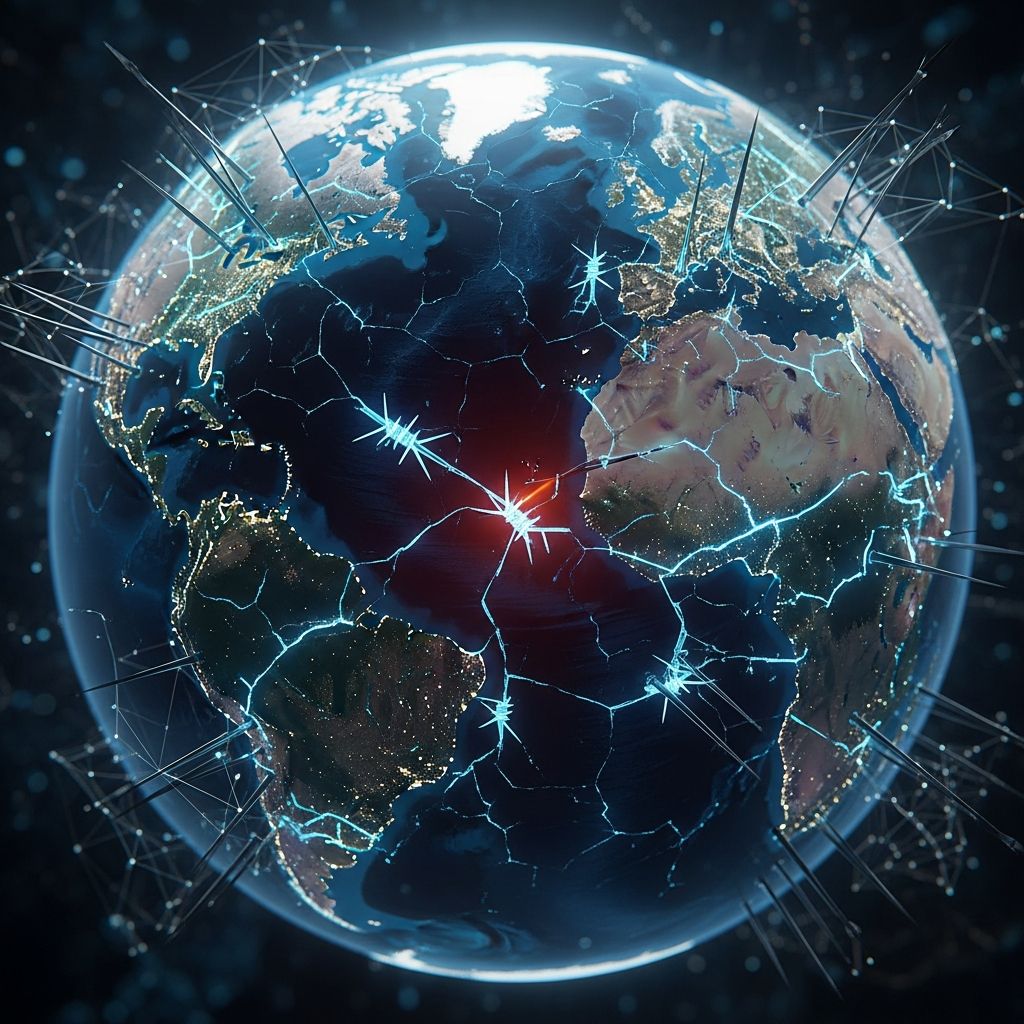
The European Union’s push for stronger cybersecurity through the NIS2 Directive represents a pivotal moment in digital policy. Enacted to safeguard critical sectors against cyber threats, this updated framework expands oversight to a broader array of industries and entities. However, beneath its protective intentions lie potential pitfalls that could disrupt the seamless, global nature of the Internet. This article delves into how NIS2’s regulatory approach might inadvertently splinter digital connectivity, deter essential service providers, and compromise the very security it seeks to enhance.
Understanding the Evolution of EU Cybersecurity Frameworks
The original Network and Information Systems (NIS) Directive, introduced in 2016, marked the EU’s first comprehensive effort to harmonize cybersecurity across member states. It targeted operators of essential services in sectors like energy, transport, and health, alongside digital service providers. While it laid foundational capabilities, implementation varied widely, leading to inconsistencies.
NIS2, formally Directive (EU) 2022/2555, builds on this by widening the scope to 18 critical sectors, including public administration, space, and expanded digital services. It mandates risk-management measures, incident reporting, and enhanced cooperation via networks like EU-CyCLONe. Member states must now enforce stricter standards, with fines up to 10 million euros or 2% of global turnover for non-compliance.
- Key Expansions: Inclusion of medium-sized enterprises, social platforms, and waste management.
- Risk Management: All-hazards approach based on state-of-the-art standards.
- Supervision: Stronger powers for national authorities and CSIRTs.
Official documentation emphasizes proportionality, considering entity size and risk exposure. Yet, the directive’s reach into Internet infrastructure raises alarms about overreach.
The Global Fabric of Internet Infrastructure
The Internet thrives on decentralized, community-driven systems like the Domain Name System (DNS), root servers, top-level domains (TLDs), and certificate authorities. These are operated by global, non-profit entities and volunteers, ensuring universal access and resilience.
| Component | Role | Global Operators |
|---|---|---|
| Root Name Servers | Direct queries to TLDs | ICANN-coordinated, 13 logical servers worldwide |
| DNS Services | Translate domains to IPs | Multiple providers, e.g., Cloudflare, Google |
| Certificate Authorities | Issue SSL/TLS certificates | Let’s Encrypt, DigiCert (international) |
| Trust Service Providers | Enable digital signatures | Cross-border entities |
These elements are inherently borderless, with operators serving users worldwide without regional silos. Regulating them nationally disrupts this model, as compliance demands vary by jurisdiction.
Unintended Consequences: Market Exits and Service Disruptions
NIS2’s classification of Internet infrastructure as ‘important entities’ subjects providers to rigorous audits, risk assessments, and incident notifications. Global operators, unaccustomed to such fragmented oversight, face a stark choice: comply across 27 regimes or withdraw.
Voluntary exits could occur preemptively to avoid fines and bureaucracy. Involuntary removals might follow non-compliance findings. The result? Europeans lose access to reliable DNS resolvers, secure certificates, and TLD management.
- Reduced redundancy in DNS, increasing outage risks.
- Outdated trust chains, enabling phishing via invalid links.
- Limited collaboration tools, hindering research and innovation.
Businesses suffer too: supply chains consolidate around compliant (often costlier) options, eroding competitiveness against global rivals.
Fragmentation: From Unified Web to Regional Intranets
A core Internet strength is its universality—one protocol stack, shared standards. NIS2 risks this by imposing EU-specific mandates, setting a precedent for regional balkanization.
Extraterritorial effects amplify: a U.S.-based DNS provider might block EU traffic to sidestep liability, fragmenting routing. Over time, this births ‘Intranets’—isolated networks with inferior performance and security.
Historical parallels exist in data localization laws, but NIS2 targets the plumbing, not just content. Community-led governance, proven agile against threats like DDoS, could be supplanted by rigid bureaucracy.
Recent Developments and Persistent Concerns
Negotiations refined NIS2, but compromise texts like Council Document 12019/21 retained broad scopes for root servers and DNS. The final directive, published December 2022, entered force January 2023, with transposition by October 2024.
Despite mitigations, core issues linger. The European Parliament’s ITRE Committee noted scope expansions aid long-term security but warned of implementation hurdles.
Balancing Security Ambitions with Internet Resilience
Proponents argue NIS2 raises the baseline: mandatory strategies, governance, and CSIRT networks foster preparedness. Yet, evidence from NIS1 shows uneven uptake, with fragmentation persisting.
Alternatives include incentivizing voluntary best practices, supporting standards bodies like IETF, and focusing regulations on high-risk sectors without ensnaring infrastructure.
The Internet’s strength lies in its bottom-up evolution, not top-down mandates.
Implications for Businesses and Users
EU firms face compliance costs, potentially stifling SMEs. Users encounter slower sites, broken links, and pricier services. Globally, it signals regulatory nationalism, inviting copycat laws elsewhere.
FAQs on NIS2 and Internet Risks
What is NIS2 Directive?
NIS2 updates the EU’s cybersecurity framework, expanding to 18 sectors with risk management and reporting requirements.
How does NIS2 affect DNS providers?
It deems them ‘important entities,’ mandating compliance that could lead to EU market exits.
Will NIS2 improve or harm security?
Short-term gains possible, but long-term fragmentation risks weakening overall resilience.
What are alternatives to NIS2’s approach?
Enhance international cooperation and community governance over unilateral regulation.
When does NIS2 fully apply?
Member states transpose by October 2024; entities comply from October 2025.
Conclusion: Safeguarding the Open Internet
NIS2’s noble goals must not sacrifice the Internet’s global coherence. Policymakers should prioritize flexible, collaborative models to avert fragmentation. As Europe transposes the directive, stakeholder input—from Internet Society chapters to providers—remains crucial for balanced outcomes. Preserving a united, secure Internet benefits all.
References
- NIS2 Directive: securing network and information systems — European Commission. 2024. https://digital-strategy.ec.europa.eu/en/policies/nis2-directive
- NIS 2 Directive, Article 21: Cybersecurity risk-management measures — NIS-2-Directive.com. 2022-12-14. https://www.nis-2-directive.com/NIS_2_Directive_Article_21.html
- The NIS2 Directive: A high common level of cybersecurity in the EU — European Parliamentary Research Service. 2021-10. https://www.europarl.europa.eu/thinktank/en/document/EPRS_BRI(2021)689333
- Directive (EU) 2022/2555 on measures for a high common level of cybersecurity — Official Journal of the European Union. 2022-12-27. https://eur-lex.europa.eu/eli/dir/2022/2555/oj
- The NIS2 Directive — NIS-2-Directive.com. 2024. https://www.nis-2-directive.com
Similar Articles








Read full bio of medha deb