Network Fees: EU’s Risky Gamble on Internet Future
Why the European Commission's network usage fee push threatens global connectivity, innovation, and user choice across the internet.
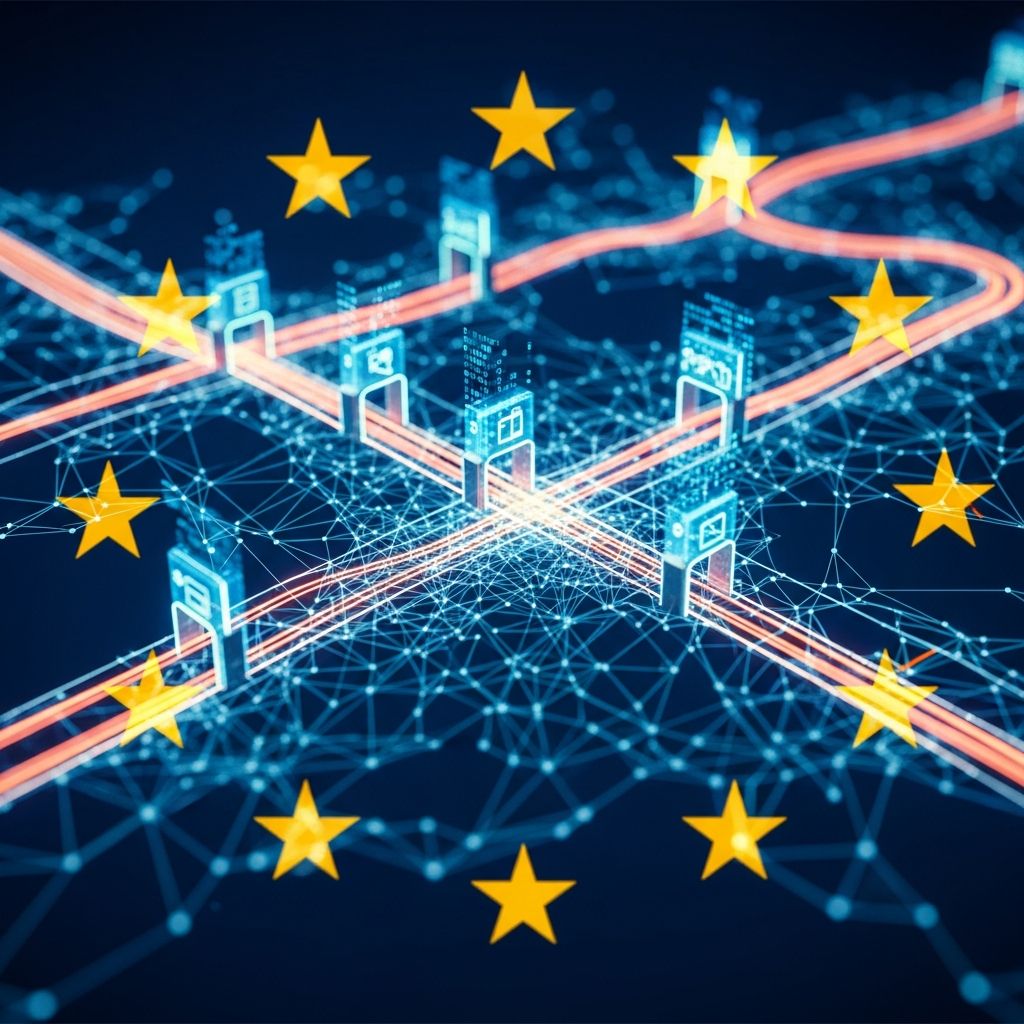
The internet has thrived for decades on a simple, effective model: users pay their service providers for access, while content flows freely based on negotiated peering agreements between networks. This peer-to-peer system has fueled unprecedented growth in digital services, from streaming to cloud computing. However, recent proposals in Europe challenge this foundation, introducing the concept of ‘network usage fees’—direct payments from large content creators to telecom operators for data traffic. This shift, often framed as a ‘fair share’ for infrastructure costs, risks distorting the open internet ecosystem.
The Rise of the Fair Share Controversy
At the heart of this debate is a push by major European telecom companies, who argue that explosive data growth—driven by video streaming and other high-bandwidth services—requires massive investments in fiber and 5G networks. They claim content and application providers (CAPs), like streaming giants and social platforms, generate disproportionate traffic without contributing enough to the pipes they fill. In response, policymakers have floated mandatory fees, where CAPs would pay ISPs based on data volume delivered to end-users.
This idea gained traction through public consultations launched in early 2023, inviting input on the future of electronic communications. While aimed at boosting gigabit connectivity across the EU by 2030, the discussions veered into mandating payments, legitimizing a model previously dismissed. Telecom lobbies have amplified these calls, portraying it as essential for rural broadband and competitiveness against global tech firms.
Why the Current Model Works—and Fees Would Break It
Today’s internet relies on settlement-free peering, where networks exchange traffic without cash changing hands because it’s mutually beneficial. Large CAPs often invest in content delivery networks (CDNs) strategically placed near users, reducing strain on ISP backhauls. Studies show ISPs benefit from this traffic: it fills otherwise idle capacity, boosts average revenue per user (ARPU), and drives demand for premium plans.
- Economic Efficiency: Peering disputes are rare and resolved commercially, without regulatory meddling.
- Investment Proof: European broadband speeds have climbed despite traffic surges, with telcos reporting healthy capex returns.
- No Market Failure: Regulators like BEREC have found no justification for intervention, noting risks to innovation.
Imposing fees flips this to a ‘sender pays’ regime, akin to old telephone settlement rates, which stifled voice innovation. CAPs would face new costs, likely passed to consumers via higher subscriptions or throttled speeds for non-payers.
Threats to Net Neutrality and User Experience
Net neutrality rules ensure ISPs treat all traffic equally, preventing fast/slow lanes. Network fees erode this by giving telcos leverage to demand payments or degrade service. Imagine Netflix buffering while a telco’s own streaming app sails smoothly—this self-preferencing harms competition.
Consumers would suffer most: slower speeds, pricier data plans, and reduced content variety. Rural areas, ironically the focus of gigabit goals, might see ISPs prioritize urban upgrades for high-volume payers, widening the digital divide.
| Impact Area | Without Fees | With Network Fees |
|---|---|---|
| Speed & Reliability | Optimized via CDNs & peering | Potential throttling, fast lanes |
| Costs to Users | Flat or tiered subscriptions | Higher fees passed on |
| Innovation | Free flow encourages startups | Barriers for small providers |
| Global Reach | Seamless cross-border | Fragmented regulations |
Global Ripples: From Europe to Worldwide Fragmentation
Europe’s influence extends far; its policies often inspire copycats. Nations like India and Brazil, already eyeing similar fees, watch closely. If the EU mandates payments, it could trigger a domino effect, balkanizing the internet into regional silos with varying tolls. This undermines the end-to-end principle that defines the net.
Historical precedents abound: The 2012 WCIT in Dubai saw global rejection of sender-pays models. Yet, reviving them now politicizes infrastructure, pitting ‘Big Tech’ against ‘Big Telco’ in a false dichotomy that ignores user-centric benefits.
Stakeholder Responses: A Divided Landscape
Consultation feedback revealed stark divides. Over half of respondents—CAPs, consumer groups, and citizens—opposed fees, citing harm to affordability and openness. Telecoms and allies pushed for ‘imbalanced bargaining power’ fixes, but evidence shows CAPs already negotiate favorable deals via scale.
Industry coalitions, from tech associations to creators, warn of stifled growth. Even some EU nations voice caution, prioritizing open markets.
Alternatives for Sustainable Infrastructure
Rather than fees, real solutions exist:
- Spectrum Efficiency: Auction more bands for 5G/6G without strings.
- Regulatory Modernization: Streamline permits for fiber deployment.
- Public-Private Partnerships: Target subsidies for underserved areas.
- Encourage Peering: Strengthen dispute resolution without mandates.
These preserve incentives: telcos upgrade for revenue growth, CAPs optimize delivery, users get choice.
Policy Recommendations: Time for Clarity
The Commission must reject fees unequivocally. A clear stance would deter lobbying, reassure markets, and refocus on true barriers like bureaucracy. Ongoing white papers on digital infrastructure offer a chance to pivot toward collaborative models.
FAQs on Network Usage Fees
What are network usage fees?
Proposed charges from content providers to ISPs for traffic delivery, shifting from user-paid access.
Who supports them?
Primarily large telecom operators seeking infrastructure funding.
How would they affect me?
Likely higher streaming prices, slower non-paying services, reduced options.
Is there evidence they’re needed?
No—regulators like BEREC find no market failure; traffic boosts ISP viability.
What’s the global impact?
Risk of regulatory fragmentation, copying in other regions.
Conclusion: Protect the Internet’s Open Core
Network usage fees promise fairness but deliver distortion. By rejecting them, the EU can champion a connected future where innovation flourishes without toll booths. The internet’s success stems from openness—let’s not gamble it away for short-term politics. Policymakers hold the key: choose users and growth over favoritism.
References
- BoR (23) 42 Preliminary Analysis on Network Usage Fees — Body of European Regulators for Electronic Communications (BEREC). 2023-05-09. https://www.berec.europa.eu/en/documents/publications/consultation-document-and-presentation-berec-report-54/preliminary-analysis-network-usage-fees
- How to master Europe’s digital infrastructure needs? — European Commission. 2023-02-15. https://digital-strategy.ec.europa.eu/en/library/commission-sets-course-europes-digital-infrastructure-new-white-paper
- The EU’s Network Usage Fees — Information Technology and Innovation Foundation (ITIF). 2025-05-25. https://itif.org/publications/2025/05/25/eu-network-usage-fees/
- Key Takeaways from EU Network Usage Fee Consultation — Computer & Communications Industry Association (CCIA). 2023-07. https://ccianet.org/wp-content/uploads/2023/07/CCIA_Key-Takeaways-from-EU-Network-Usage-Fee-Consultation.pdf
- Network Fees: A Misguided Idea — Center for European Policy Analysis (CEPA). 2024-01-21. https://cepa.org/article/network-fees-a-misguided-idea/
Similar Articles







Read full bio of Sneha Tete