Mobile Plans for International Students
Navigate wireless options designed specifically for students studying abroad in the US.
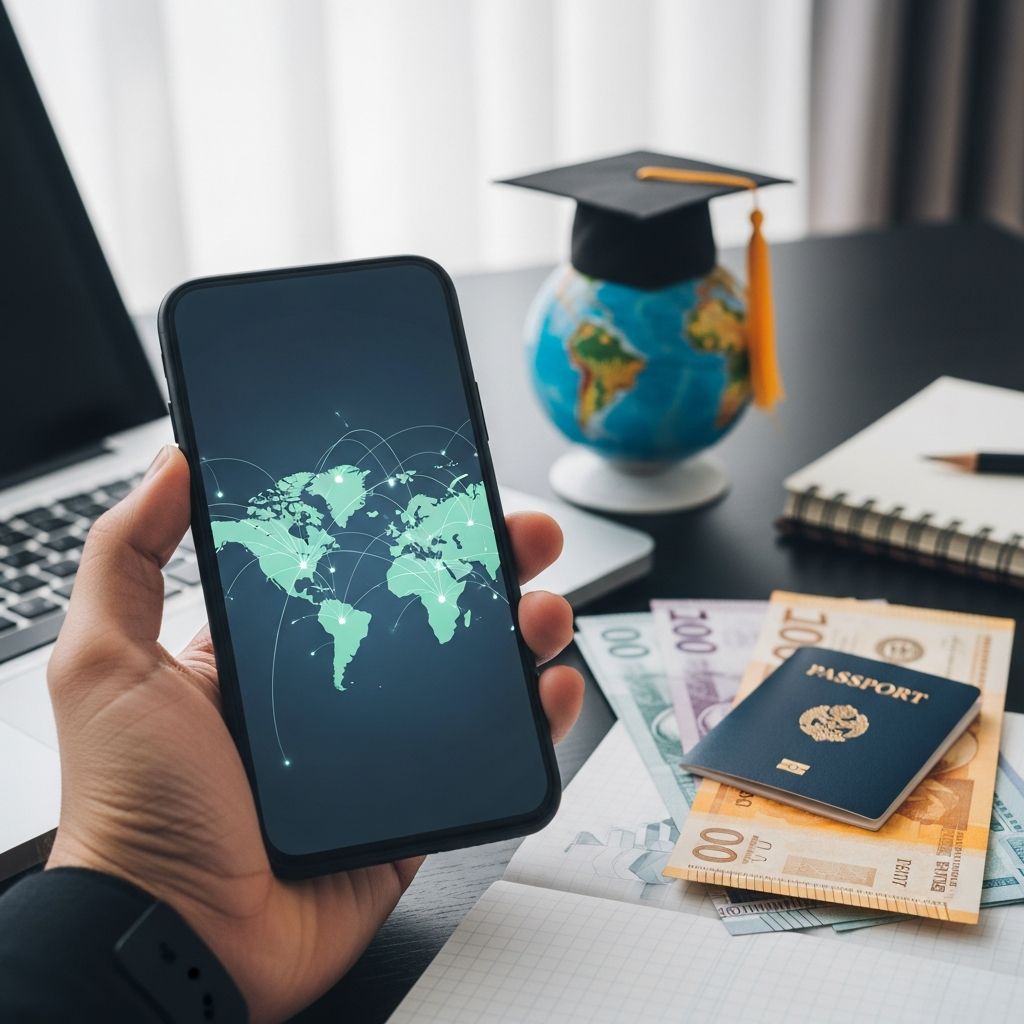
Arriving in a new country to pursue higher education presents numerous challenges, and securing reliable mobile communication should not be one of them. For international students relocating to the United States, understanding the landscape of available phone plans is crucial for maintaining connections with family back home, coordinating with classmates, and managing daily life. The decision between various carrier options and plan structures requires careful consideration of individual needs, financial constraints, and usage patterns. This guide explores the multifaceted world of mobile plans specifically tailored for international students, providing practical insights to help navigate this essential service.
Understanding Your Phone Plan Options: Two Fundamental Approaches
When international students arrive in the United States, they encounter two primary categories of mobile phone plans, each with distinct characteristics, advantages, and limitations. Understanding the fundamental differences between these approaches is the first step toward making an informed decision that aligns with personal circumstances.
Prepaid Plans: Flexibility Without Financial Commitments
Prepaid mobile plans function on a straightforward principle: you purchase service in advance and consume it according to your usage patterns. This structure eliminates the need for long-term contracts, credit checks, or established payment history—requirements that pose significant barriers for newly arrived international students. With prepaid options, students pay a predetermined monthly fee upfront, receiving access to specified data allowances, talk minutes, and text messages. The flexibility inherent in prepaid services proves invaluable for students whose circumstances remain fluid during their adjustment period.
- No Credit Requirements: Prepaid plans bypass the credit check process entirely, making them immediately accessible upon arrival
- Month-to-Month Flexibility: Students can modify or discontinue service without penalty, accommodating potential changes in circumstances
- Cost Range: Typical prepaid plans range from fifteen to fifty dollars monthly, with transparent pricing
- Easy Availability: These plans are offered through retail locations nationwide and online platforms, ensuring convenient access
- No Hidden Obligations: The absence of contractual commitments eliminates concerns about early termination fees
Postpaid Plans: Enhanced Features with Higher Requirements
Postpaid arrangements operate differently, billing customers monthly for services consumed during the preceding period. These plans typically offer more generous data allocations, device promotions, and bundled services compared to prepaid alternatives. However, postpaid carriers traditionally require established credit history, Social Security numbers, or credit verification—obstacles that international students frequently cannot overcome immediately upon arrival.
- Device Subsidies: Postpaid plans often include promotional pricing on current smartphone models
- Higher Data Limits: These arrangements typically provide more generous monthly data allowances
- Bundle Options: Additional services such as cloud storage, streaming subscriptions, or international calling may accompany postpaid plans
- Family Plan Discounts: Multiple-line arrangements receive preferential pricing
- Enrollment Requirements: Credit verification, Social Security number, or alternative documentation remains necessary for most carriers
Major Carriers and Their International Student Offerings
The American telecommunications landscape features several dominant carriers, each developing specific programs to attract and retain student customers. Understanding what each major provider offers helps identify the best fit for individual requirements.
T-Mobile: Comprehensive International Coverage
T-Mobile has positioned itself as particularly student-friendly, offering several advantages that resonate with the international student demographic. The carrier provides unlimited texting and data access across more than two hundred fifteen countries without additional charges, eliminating the anxiety of unexpected roaming fees. Additionally, T-Mobile offers in-flight Wi-Fi connectivity on participating airlines, benefiting students who frequently travel between their home country and the United States. Notably, T-Mobile does not mandate contracts, deposits, or credit checks for service activation—a significant advantage for recent arrivals establishing American financial footprints. The carrier’s student programs include substantial data provisions and may offer complimentary service periods for first-year students.
Verizon Wireless: Extensive Coverage and Travel Benefits
Verizon maintains one of the broadest coverage networks across the United States while providing international connectivity through its TravelPass feature. This service allows students to maintain their domestic plan’s data, messaging, and calling privileges while abroad for a fixed daily charge, providing predictable costs during international travel. Student-specific discounts reduce monthly service fees by up to twenty-five dollars, making this premium carrier more financially accessible. Verizon’s extensive global presence in over two hundred twenty countries ensures connectivity across most international destinations where students might travel or communicate with family members.
AT&T: Balance Between Coverage and Value
AT&T offers a middle ground between premium and budget-conscious carriers, providing nationwide coverage with international roaming options. Student programs through AT&T include device discounts and plan reductions, though credit establishment or existing financial relationships with the carrier may facilitate better terms. The carrier’s flexibility in plan customization allows students to build arrangements matching specific data and calling requirements.
Budget-Conscious Alternatives: Maximizing Value
For students operating under financial constraints, several carriers provide exceptional value without compromising service quality or coverage reliability. These alternatives merit serious consideration, particularly for students maintaining modest usage patterns or seeking to minimize monthly expenditures.
Mint Mobile: Affordable Prepaid Excellence
Mint Mobile operates as a virtual carrier, purchasing network access from established providers while offering significantly discounted rates to consumers. Plans begin at remarkably low price points while maintaining consistent coverage and data speeds comparable to traditional carriers. The platform’s emphasis on affordability without service degradation makes it particularly appealing to budget-conscious students. Additionally, Mint Mobile provides one hundred gigabytes of complimentary data annually for five consecutive years, a substantial benefit for digitally active students.
Cricket Wireless: Reliability with Economy Pricing
Cricket Wireless, operated under the AT&T network infrastructure, delivers nationwide coverage at reduced rates. Budget-friendly pricing structures accommodate students seeking minimal monthly obligations while maintaining reliable service quality. The carrier’s month-to-month approach eliminates long-term commitments, aligning well with student needs and circumstances.
Ting: Pay-as-You-Go Adaptability
Ting’s flexible pay-per-use model appeals to students with unpredictable usage patterns or those uncertain about their communication requirements during adjustment periods. This approach eliminates monthly overages, replacing them with transparent, variable costs reflecting actual consumption. Students using primarily Wi-Fi for data communications while minimizing voice and text usage find Ting’s structure particularly advantageous.
No-Roaming Solutions: Staying Connected Globally
International students frequently need to communicate with family members in their home countries without incurring prohibitive international calling or messaging charges. Several carriers specifically address this requirement through inclusive roaming arrangements.
Google Fi: Global Connectivity Without Borders
Google Fi operates as a specialized service providing seamless connectivity across more than two hundred countries at no additional charge beyond the domestic plan cost. The service automatically switches between available networks in supported regions, optimizing both connectivity and data speeds. Students maintaining frequent international calls or those uncertain about their travel destinations find Google Fi’s comprehensive coverage particularly valuable.
T-Mobile ONE: Unlimited International Inclusion
T-Mobile’s ONE plan tier includes unlimited data and texting in more than two hundred ten countries as standard benefits, not premium upgrades. This inclusive approach eliminates surprise charges and simplifies international communication for students with regular contact across borders.
Three UK: European Accessibility
Three UK’s Feel At Home feature enables free roaming across multiple European nations, benefiting students from Europe or those frequently traveling within the continent. This carrier option proves particularly valuable for EU-based students or those with strong European connectivity requirements.
Critical Factors Shaping Your Selection Decision
Beyond carrier comparison and plan type, several practical considerations should inform the final decision regarding mobile service selection.
Coverage Assessment in Your Specific Location
Academic institutions and surrounding communities experience varying levels of carrier coverage. Prior to finalizing any plan, students should verify signal strength and data reliability in their specific campus location and primary residential area. Carrier websites and community feedback provide valuable coverage information. Students arriving for summer orientation programs or early campus visits should test connectivity before committing to annual agreements.
International Travel Frequency and Destinations
Students planning frequent international travel should prioritize carriers offering comprehensive global coverage without excessive roaming charges. Conversely, students anticipating minimal international communication or travel can accept plans with less extensive worldwide connectivity, potentially reducing monthly costs.
Data Consumption Patterns and Requirements
Accurately assessing personal data usage prevents both inadequate allocation resulting in throttling and unnecessary expenditure on unused allowances. Academic coursework, streaming services, video conferencing with family, and social media habits collectively determine appropriate data tier selection. Students can monitor usage patterns through smartphone settings, adjusting plan levels based on empirical consumption data.
Financial Resources and Budgetary Constraints
International students typically operate under specific financial parameters, often dependent on scholarship allocations or family support. Plans should align with sustainable monthly budgets, avoiding financial strain from telecommunications obligations. Numerous affordable alternatives exist at every price point, ensuring students need not compromise basic requirements for economic reasons.
Strategic Navigation: Practical Implementation Steps
Moving from decision-making to actual plan activation requires specific actions and preparations that streamline the process and avoid common complications.
Documentation Preparation
Assemble necessary documentation before visiting carrier retail locations or initiating online applications. Most carriers request passport verification, visa documentation confirming student status, and proof of residence at campus or local address. Some carriers accept international driver’s licenses or institutional identification cards when traditional credit documentation is unavailable. Carriers increasingly recognize international student circumstances, with many staff members trained in accommodating documentation variations.
Device Considerations and Compatibility
Determine whether to utilize existing devices brought from home countries or purchase equipment in the United States. Devices from outside North America may lack compatibility with specific carrier networks or frequency bands. Carrier retail locations can verify device compatibility before plan activation, preventing subsequent connectivity problems. Many carriers offer financing options for device purchases, distributing costs across plan duration rather than requiring upfront expenditure.
Activation Timeline and Service Commencement
Plan service activation typically occurs immediately upon purchase completion, though some carriers require waiting periods ranging from hours to days for systems to process new customer information. Scheduling activation with sufficient time before campus arrival prevents communication gaps during critical orientation and enrollment periods. Students arriving during non-business hours should activate plans before such times when retail locations may have limited staffing.
Frequently Asked Questions from International Student Perspective
What documents do I need to establish a mobile plan without credit history?
Most carriers accept passport verification combined with student visa documentation and proof of U.S. residence. Some providers require institutional enrollment letters confirming student status. International student office documentation often provides additional verification when traditional credit history is unavailable.
Can I use a phone purchased in my home country on U.S. networks?
Compatibility depends on specific device models and network bands. Modern unlocked smartphones typically function across North American networks, but confirmation through carrier support prevents complications. Devices locked to home country networks require unlocking before U.S. service activation, a process usually completed by original carriers before travel.
Are there specific plans designed for international students at major universities?
Many institutions maintain partnerships with carriers offering special student rates or modified documentation requirements. University international student offices can provide information about negotiated programs, potentially reducing monthly costs compared to standard consumer rates.
How can I avoid expensive roaming charges when calling family internationally?
Select carriers with inclusive international roaming in your home country, such as T-Mobile ONE or Google Fi. Alternatively, use internet-based communication applications for calls and messaging, consuming minimal data through Wi-Fi connections at campus or residential locations.
What happens to my plan if I leave the country during summer break?
Prepaid plans can be suspended without penalty, allowing service resumption upon return without reactivation fees. Postpaid plans may require explicit communication with carriers to prevent charges during temporary absences. Some carriers offer travel holds specifically accommodating student circumstances.
Conclusion: Making Your Optimal Selection
Securing appropriate mobile service represents a foundational component of international student success, enabling academic collaboration, family communication, and emergency connectivity. The combination of prepaid flexibility, major carrier accessibility, budget alternatives, and global roaming options ensures students can identify solutions matching individual circumstances. By systematically evaluating plan types, carrier offerings, personal requirements, and practical implementation steps, international students can establish mobile connectivity supporting their academic pursuits and personal wellbeing throughout their American educational experiences. Prioritize thorough research and realistic assessment of personal needs over brand prestige or perceived value, ensuring monthly telecommunications obligations remain manageable while delivering necessary functionality.
References
- International Student Plans for Studying Abroad — T-Mobile. Accessed May 2026. https://www.t-mobile.com/cell-phone-plans/international-student-plans
- Cell Phone Options for International Students — LaSell University International Student Services. Accessed May 2026. https://www.lasell.edu/documents/International%20Student%20Services/Cell%20Phone%20Options%20for%20International%20Students.pdf
- How to choose a phone plan as an international student — MPowerFinancing. Accessed May 2026. https://www.mpowerfinancing.com/international-student-life/phone-plans-for-international-students
- Cell Phone Options Abroad — Harvard Global Support Services. Accessed May 2026. https://www.globalsupport.harvard.edu/travel/advice/cell-phone-options-abroad
- Student Discounts on Smartphone Plans and Internet Service — Verizon Wireless. Accessed May 2026. https://www.verizon.com/featured/students/
Similar Articles







Read full bio of medha deb