Mobile Phones vs Dedicated Cameras: Making the Right Choice
Explore the differences between smartphone and dedicated camera technology to determine your ideal photography solution.
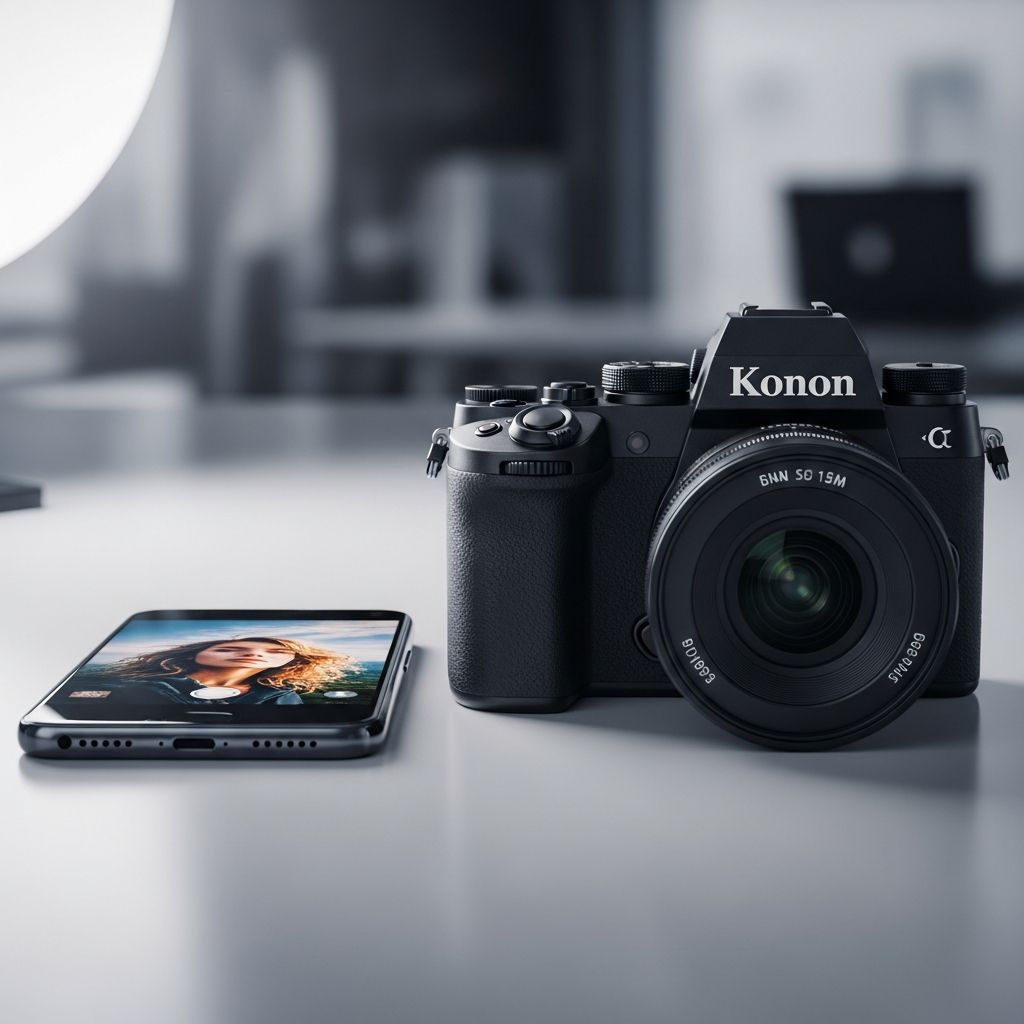
The photography world has undergone a dramatic transformation over the past decade. What was once a clear distinction between casual snapshot makers and serious photographers has become increasingly blurred. Today’s consumers face a genuinely complex decision: should they invest in a dedicated digital camera, rely on their smartphone, or maintain both devices? This question lacks a simple answer because the choice depends entirely on individual priorities, creative ambitions, and lifestyle considerations.
The Computational Photography Revolution
Modern smartphones have fundamentally changed how images are captured and processed. Rather than simply recording light onto a sensor, contemporary phones employ artificial intelligence and machine learning algorithms to construct photographs. When you press the shutter button on a flagship device, it captures multiple frames in rapid succession, analyzes each one, and combines them into a single optimized image. This process happens invisibly and instantaneously, delivering results that previous generations would have required hours of desktop editing to achieve.
Dedicated cameras, by contrast, operate on more traditional principles. They capture a single exposure and deliver raw image data with minimal post-processing interference. This fundamental difference shapes how each device performs across various shooting scenarios and influences which tool serves different photographers best.
Evaluating Sensor Technology and Light Capture Capabilities
One of the most significant technical differences between these devices lies in their sensor architecture. A full-frame dedicated camera sensor typically measures 36 by 24 millimeters, whereas smartphone sensors are dramatically smaller, often measuring just a few millimeters across. This size disparity creates profound consequences for image quality.
Each individual pixel on a dedicated camera sensor can be substantially larger than pixels on a smartphone sensor. According to photographic science, a full-frame sensor pixel collects approximately 18 times more light than a typical smartphone pixel. This represents an enormous advantage in challenging lighting situations. Low-light photography becomes significantly easier with a dedicated camera because the larger pixels naturally gather more photons, resulting in cleaner images with less digital noise.
Smartphones counteract this limitation through sophisticated computational techniques. They capture numerous frames with shorter exposures and merge them together, using algorithms to reduce noise while maintaining sharpness. While this approach produces impressive results for most everyday situations, it operates within inherent physical constraints that no amount of software engineering can completely overcome.
Dynamic Range and Highlight Preservation
Dynamic range refers to a camera’s ability to capture detail across both bright and dark areas within a single photograph. This represents another dimension where sensor size matters significantly.
Dedicated cameras preserve extensive shadow and highlight detail within the raw file, providing photographers with substantial flexibility during post-processing. Adjusting underexposed shadows or blown highlights in editing software becomes possible because the original sensor data contains that information.
Smartphones employ HDR (High Dynamic Range) technology to address this limitation. They capture multiple exposures and blend them algorithmically, creating images with expanded tonal range. The results look excellent on screens and satisfy most social media sharing needs. However, the processing pipeline leaves less latitude for subsequent editing, as the optimization has already been baked into the final image.
Lens Flexibility and Optical Capabilities
Modern flagship smartphones include multiple cameras with different focal lengths built into their chassis. A typical high-end device might feature an ultrawide lens, a standard lens, a telephoto lens, and potentially a periscope lens offering extreme magnification. This multi-lens approach provides genuine versatility within a single pocketable device.
Switching between these lenses involves nothing more than tapping a button. The user experiences seamless transitions across different fields of view, making it extraordinarily convenient to capture varied compositions without any equipment changes.
Dedicated cameras require physical lens swaps to achieve comparable versatility. A photographer wanting ultrawide, standard, and telephoto capabilities must purchase and carry multiple lenses. This creates genuine friction in workflows and increases overall system weight and complexity. However, dedicated camera lenses typically offer superior optical quality, weather resistance, and creative possibilities compared to smartphone optics.
The Background Blur Question: Optical Versus Computational
Portrait photography often depends on creating attractive background blur, technically called bokeh. Dedicated cameras achieve this through optical physics—using large apertures and longer focal lengths to create genuine out-of-focus backgrounds.
Smartphones simulate background blur computationally by identifying the subject, mapping depth information, and selectively blurring background regions digitally. This approach works surprisingly well, and most casual viewers cannot distinguish smartphone-created blur from optically-created blur. However, the edges where blur transitions from focus can sometimes appear artificial, and subjects with complex hair or transparent areas may exhibit processing artifacts.
For photographers pursuing professional portrait work, the optical approach typically provides more natural, predictable results. For social media and casual documentation, computational blur performs admirably.
Performance in Action and Sports Photography
Tracking moving subjects requires rapid autofocus performance and consistent burst shooting capabilities. Dedicated cameras with specialized autofocus systems excel at this task, particularly mirrorless models equipped with sophisticated tracking algorithms that maintain focus on active subjects across sequential frames.
Smartphone autofocus has improved dramatically in recent years. Modern devices maintain focus reliably during movement and can capture extended burst sequences. However, in challenging conditions—particularly dim lighting with moving subjects—dedicated cameras generally provide more consistent results and superior subject isolation.
Battery endurance also matters for action photography. A dedicated camera can capture thousands of images on a single charge, while intensive smartphone photography depletes batteries significantly faster. This distinction becomes crucial during extended shooting sessions.
Video Capabilities and Content Creation
Contemporary smartphones excel at video recording. They offer stabilized 4K capture at 60 frames per second, cinema-focused features, and instant sharing capabilities. The built-in stabilization handles walking shots and handheld movements that would require gimbal support on dedicated cameras. For social media content, YouTube videos, and TikTok clips, smartphone video performs superbly.
Dedicated cameras provide professional video codecs, extended recording times, and sophisticated color grading options through RAW recording. They excel for cinematic projects requiring maximum creative control and post-production flexibility. However, achieving comparable stabilization on dedicated cameras typically requires purchasing additional equipment.
Workflow and Post-Processing Considerations
Smartphones integrate seamlessly into modern digital workflows. Editing applications run directly on the device, and sharing to social platforms involves minimal friction. Images can be edited and published within minutes of capture.
Dedicated cameras produce files requiring transfer to computers for serious editing work. This introduces workflow delays but provides substantially more control. RAW files from dedicated cameras offer tremendous flexibility for adjustments without degrading image quality. Smartphones primarily produce compressed JPEG files, which become increasingly difficult to manipulate significantly during editing.
Storage and Cloud Integration
Most smartphones offer automatic cloud backup, ensuring photos are safely stored and accessible across devices. This convenience significantly reduces the risk of data loss.
Dedicated camera workflows typically require manual file management. Photographers must transfer images to computers and establish backup systems. While this requires more effort, it provides explicit control over file organization and backup strategies.
Cost Analysis and Value Assessment
| Device Type | Entry Price | Total Investment | Maintenance Costs |
|---|---|---|---|
| Flagship Smartphone | $800-$1200 | $800-$1200 | Minimal |
| Mirrorless Camera System | $1500-$2500 | $3000-$8000+ | Significant |
| Budget DSLR | $600-$1000 | $1200-$3000 | Moderate |
Smartphone cameras arrive as integrated features, requiring no additional investment. Users receive capable photography tools without dedicated spending.
Dedicated cameras represent independent purchases that encourage lens collection and accessory accumulation. A single camera body costing $1500 becomes part of a broader system potentially exceeding $5000 or more when lenses, tripods, filters, and bags are included.
For budget-conscious consumers, smartphones provide remarkable value. For committed photographers willing to invest substantially, dedicated systems offer capabilities justifying their cost.
Portability and Everyday Accessibility
Smartphones remain perpetually accessible. They accompany users throughout daily life, ensuring the best camera is literally always present. This convenience captures spontaneous moments that careful photographers carrying dedicated equipment might miss.
Dedicated cameras require intentional packing decisions. They increase carried weight and occupy bag space. Multi-camera systems become genuinely burdensome for extended excursions. This friction prevents many enthusiasts from bringing dedicated cameras to casual outings.
The practical reality is that smartphones capture vastly more images for most users simply because they remain continuously available.
Creative Control and Manual Settings
Dedicated cameras provide extensive manual controls over aperture, shutter speed, and ISO. Photographers can override automatic systems and exercise precise creative choices. This flexibility enables specialized techniques impossible with smartphone defaults.
Smartphone cameras increasingly offer “Pro” modes providing manual adjustments, but these interfaces remain constrained compared to dedicated camera systems. Computational photography often overrides manual selections, reintroducing automation even when users attempt manual control. This can frustrate photographers seeking complete creative authority.
Serious creative professionals typically prefer dedicated cameras because they guarantee creative control without algorithmic interference.
Image Quality for Professional Applications
For professional work—weddings, commercial photography, fine art landscapes—dedicated cameras remain the standard choice. Client expectations, print requirements, and post-production flexibility all favor dedicated systems.
However, for professional social media content, smartphone cameras increasingly meet professional standards. The platform compression and screen-based viewing mean the technical advantages of dedicated cameras become invisible to audiences.
When Both Devices Make Sense
Many photographers benefit from maintaining both smartphones and dedicated cameras. Smartphones serve as always-available backup devices, perfect for social media content and spontaneous moments. Dedicated cameras handle serious projects requiring maximum technical capability and creative control.
This hybrid approach maximizes flexibility without forcing photographers to compromise in either direction. Users can grab their phone for casual outings while deploying dedicated equipment for intentional photo sessions.
Making Your Decision
The choice between smartphones and dedicated cameras depends on several personal factors:
- Shooting style: Spontaneous snappers benefit from smartphone convenience; intentional photographers thrive with dedicated cameras
- Creative ambitions: Professional aspirations or artistic pursuits justify dedicated investment
- Portability priorities: Travel photographers value smartphone convenience; studio workers care less about carrying weight
- Budget constraints: Smartphones offer exceptional value; dedicated systems require substantial investment
- Output requirements: Social media sharing suits smartphones; print production favors dedicated cameras
- Technical interests: Photographers enjoying technical mastery appreciate dedicated camera depth
Frequently Asked Questions
Can modern smartphones completely replace dedicated cameras?
For most everyday photography and social media sharing, yes. For professional applications, print production, and specialized creative work, no. Dedicated cameras retain advantages in low-light performance, creative control, and output quality.
Which produces objectively better photographs?
No single answer exists. Dedicated cameras produce technically superior files with more data and flexibility. Smartphones produce results indistinguishable from dedicated cameras on screens and social media. The “best” depends entirely on viewing context and intended use.
Should beginners start with smartphones or dedicated cameras?
Beginners benefit from smartphones’ instant gratification and learning curve accessibility. As skill develops, photographers can migrate to dedicated equipment if their ambitions align with dedicated camera advantages.
Do professional photographers still use smartphones?
Many professional photographers maintain smartphones for personal photography and social media content. However, they rely on dedicated cameras for client deliverables and paid projects.
What about future technology convergence?
Smartphone cameras continue advancing rapidly, narrowing the gap with dedicated cameras. However, fundamental physics—sensor size limitations—will likely prevent complete convergence. Dedicated cameras will probably maintain performance advantages in specific areas indefinitely.
Conclusion
The smartphone versus dedicated camera question reflects a broader shift in photography democratization. Smartphone technology has eliminated barriers to image capture, enabling millions to create photographs that would have required expensive equipment just years ago.
Yet dedicated cameras persist and thrive because they offer capabilities and control valuable to committed photographers. The modern photographer’s landscape accommodates both approaches without declaring winners or losers.
Most consumers find smartphones entirely adequate. Serious photographers discover dedicated cameras worth their investment. Many photographers benefit from maintaining both devices, leveraging each tool’s specific strengths. Understanding your own priorities, ambitions, and shooting style enables the right choice for your individual circumstances.
References
- Sensor Size and Pixel Light-Gathering Capacity in Digital Cameras — Photography Science and Technology. https://www.dxomark.com
- Computational Photography and AI-Enhanced Image Processing in Mobile Devices — IEEE Xplore Digital Library. https://ieeexplore.ieee.org
- Digital Image Sensor Technology: Full-Frame vs Mobile Sensors — International Organization for Standardization (ISO). https://www.iso.org
- Professional Photography Equipment Standards and Best Practices — Professional Photographers of America (PPA). https://www.ppa.com
- HDR and Dynamic Range Processing in Modern Digital Cameras — Society of Photo-Optical Instrumentation Engineers (SPIE). https://spie.org
Similar Articles







Read full bio of medha deb