Staying Connected: Mobile Phone Options in Paris
Essential strategies for maintaining connectivity during your Parisian adventure
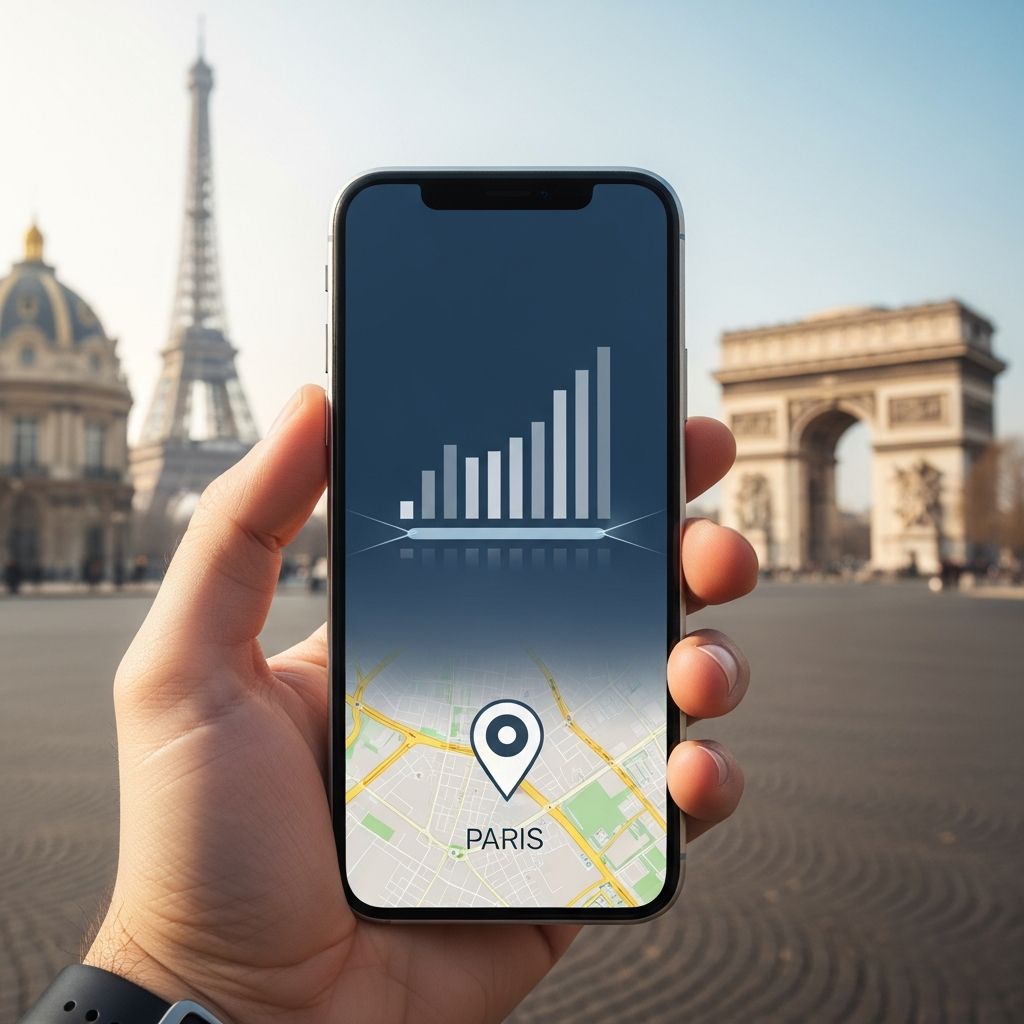
Traveling to Paris presents countless opportunities to capture memories, navigate unfamiliar streets, and stay in touch with loved ones back home. However, maintaining reliable mobile connectivity in a foreign country requires advance planning and understanding your available options. Whether you prefer leveraging your existing service provider’s international capabilities, switching to a local French carrier, or exploring emerging digital solutions, each approach offers distinct advantages and considerations. This comprehensive guide walks you through the various strategies available to ensure your phone remains a helpful companion throughout your Parisian journey.
Preparing Your Device Before Departure
Before boarding your flight to Paris, several preparatory steps will significantly enhance your ability to maintain connectivity without incurring unexpected charges or experiencing service disruptions. Understanding your phone’s capabilities and your carrier’s policies forms the foundation for a worry-free experience abroad.
Verifying Network Compatibility
Modern smartphones typically support international network frequencies, yet not all devices operate seamlessly across different regions. American carriers often sell phones with locked hardware that functions optimally only on their specific networks. Before traveling, contact your service provider to confirm that your phone supports the cellular bands used by major French carriers. French networks primarily operate on GSM, 3G, 4G LTE, and 5G frequencies that differ slightly from North American standards. Confirming compatibility beforehand prevents frustrating connectivity issues upon arrival in Paris.
Additionally, verify whether your phone accepts both physical SIM cards and digital eSIM technology. Newer models typically include eSIM capability, which offers flexibility when choosing between traditional SIM card swaps and app-based solutions. Understanding your device’s technical specifications empowers you to select the most suitable connectivity option for your trip.
Unlocking Your Device
Carriers in the United States, Australia, and France frequently sell phones with software locks that restrict their use to their networks exclusively. If your phone was purchased through your American carrier, request an unlock from their customer service department before departure. Once unlocked, your device can accept SIM cards from any provider worldwide, dramatically expanding your options for affordable French connectivity.
Unlocking procedures typically require proof of ownership and account information. Contact your carrier at least two weeks before your trip to allow adequate processing time. Many carriers offer immediate unlocking through their mobile apps or online portals, making this process increasingly convenient.
International Roaming Through Your Existing Provider
The most straightforward approach involves continuing service through your American carrier by activating international roaming features. This method minimizes complexity since your existing phone number remains unchanged, and communication with family and friends involves no special instructions.
Understanding Roaming Costs and Plans
International roaming carries substantial costs that vary significantly depending on your carrier and the specific services you use. Voice calls, text messages, and data consumption each incur separate charges in foreign countries. Many major American carriers now offer structured international plans that establish predictable daily or monthly fees, eliminating the possibility of shocking bills upon your return home.
Before departure, contact your carrier to discuss available international plans. Some providers offer daily pass programs that cover unlimited calling, texting, and data for a fixed daily rate. Others provide monthly allowances or discounted per-minute rates. Understanding these options allows you to calculate expenses and select the most economical solution for your specific travel needs.
Activation Procedures
Activate international roaming features one to two days before your departure. Most carriers allow activation through their websites, mobile applications, or by speaking with customer service representatives. During activation, confirm that your plan covers voice calls, text messaging, and data services for France specifically. Verify the exact cost structure and any usage limitations. Ensure your account has sufficient funds or available credit to support anticipated usage during your stay.
Upon arrival in Paris, your phone should automatically connect to French networks within minutes. If connectivity doesn’t establish automatically, manually search for available networks and select a French carrier option. Contact your home provider’s international support line if problems persist.
Monitoring Usage and Costs
Throughout your stay in Paris, periodically check your usage statistics through your carrier’s app or website. This practice allows you to identify if unexpected charges are accumulating and adjust your behavior accordingly. If you approach your monthly allotment, consider relying more heavily on Wi-Fi networks for data-intensive activities.
Local French SIM Cards: A Budget-Friendly Alternative
For travelers planning to spend more than a few days in Paris, purchasing a local SIM card from a French carrier offers significant cost savings and additional advantages over international roaming through an American provider.
Where to Purchase SIM Cards
France’s three major cellular carriers—Orange, SFR, and Bouygues—offer prepaid SIM cards at their retail locations throughout Paris. Additionally, convenience stores, tobacco shops (tabacs), and various retail outlets stock SIM cards from these providers. Digital purchasing options now exist as well, allowing you to order cards online before arrival or immediately upon landing at the airport.
The variety of retail locations makes obtaining a French SIM card remarkably convenient. Tourist areas and transportation hubs like Charles de Gaulle Airport typically feature multiple carrier shops with staff accustomed to assisting international travelers.
Cost Advantages
French cellular service rates represent a fraction of American international roaming charges. Prepaid plans include voice minutes, text messages, and data allowances at costs substantially lower than typical international day passes. Budget travelers commonly acquire French SIM cards for durations matching their stay, enjoying unlimited local communication and reasonable data access without worry about accumulated charges.
Plans typically offer different tiers accommodating varying usage patterns. Light users might select entry-level plans providing adequate data for navigation and messaging, while frequent communicators can opt for higher-capacity plans offering more generous allowances.
Trade-offs and Considerations
Installing a local French SIM card means replacing your American SIM with the French version, effectively disabling your U.S. phone number. Incoming calls and texts directed to your American number will not reach you, potentially disrupting communication with family members or business contacts expecting to reach you through your standard number.
To mitigate this challenge, configure call forwarding on your American number before departure, redirecting incoming calls to an alternative number like Google Voice. This service transcribes voicemails and delivers them via email, ensuring you capture important messages without immediate phone availability. Alternatively, inform your contacts of your temporary French number, provided you’re willing to share it with multiple people.
Another consideration involves applications and services linked to your American phone number. Two-factor authentication systems, banking apps, and other security-dependent services may require your original number. Plan accordingly and update account information before swapping SIM cards, or maintain access to your American number through other means.
eSIM Technology: The Modern Solution
Digital SIM cards, or eSIMs, represent the newest approach to managing international connectivity. This technology eliminates the need for physical card swaps, instead installing carrier profiles directly onto your device through an app.
How eSIM Technology Functions
eSIM technology stores carrier information electronically within your device’s hardware rather than on a removable card. When you activate an eSIM plan through an app, the carrier’s profile downloads and installs on your phone. Your device can maintain multiple eSIM profiles simultaneously, though only one remains active at any given time. Switching between profiles involves a few app taps rather than physically exchanging cards.
Advantages for Parisian Travelers
eSIM solutions offer unprecedented convenience for international travelers. You avoid the hassle of locating carrier shops, explaining your needs to foreign staff, or managing physical cards. Activation occurs entirely through apps, with many services offering plans through simple digital interfaces accessible before departure.
Multiple eSIM profiles allow you to maintain simultaneous connectivity to your American carrier and a French provider. This hybrid approach enables you to preserve your existing phone number while enjoying affordable local service. The ability to switch profiles instantly—useful when moving between activities requiring different service levels—adds valuable flexibility.
Data-Only Limitations
A significant limitation of many eSIM services involves their data-only nature. Unlike physical SIM cards providing complete cellular service, numerous eSIM plans restrict functionality to internet access exclusively. This means you cannot make or receive traditional voice calls using your French number or eSIM-assigned number, though internet-based calling through applications like WhatsApp, Skype, or FaceTime remains available.
For travelers prioritizing voice communication with local businesses, restaurants, or hotels, this limitation warrants consideration. However, for those primarily needing navigation, messaging apps, and email access, eSIM data plans provide economical, convenient solutions.
Leveraging Wi-Fi Networks Throughout Paris
Paris features extensive Wi-Fi infrastructure that can substantially reduce or eliminate the need for purchased cellular plans, particularly for budget-conscious travelers willing to adjust their connectivity patterns slightly.
Widespread Availability
Hotels, restaurants, cafes, museums, and many public spaces throughout Paris offer complimentary Wi-Fi access to guests and patrons. Even major streets like the Champs-Élysées provide free public Wi-Fi networks. This extensive coverage means you can accomplish most internet-dependent activities—checking email, reviewing maps, updating social media, and using travel apps—without cellular data.
Tourist information centers, libraries, and government facilities offer additional Wi-Fi access points. Planning activities around locations with reliable Wi-Fi connectivity allows you to minimize reliance on expensive cellular data plans.
Communication Through Internet Services
Wi-Fi connectivity enables voice and video communication through internet-based applications. WhatsApp, FaceTime, Skype, and Google Meet function excellently over reliable Wi-Fi connections, allowing you to contact family, friends, and business associates without cellular minutes or international calling plans. Most European travelers and many service providers in Paris communicate primarily through WhatsApp, making this platform particularly valuable for local interactions.
Wi-Fi Security Considerations
While Wi-Fi offers convenience and cost savings, public networks present security vulnerabilities. Avoid accessing sensitive accounts, making financial transactions, or entering personal information on public Wi-Fi without protective measures. Virtual private networks (VPNs) encrypt your internet connection, protecting your data from interception by potentially malicious actors on the same network.
Before traveling to Paris, install a reputable VPN application on your phone and understand how to activate it on Wi-Fi networks. This additional layer of security enables you to use public Wi-Fi for most activities while maintaining privacy and protecting sensitive information.
Comparison of Connectivity Solutions
| Option | Initial Cost | Keeps US Number | Voice Calling | Data Access | Ease of Setup |
|---|---|---|---|---|---|
| International Roaming | $10-30/day | Yes | Yes | Yes | Very Easy |
| Local SIM Card | $15-40 | No | Yes | Yes | Easy |
| eSIM (Data Only) | $10-25 | Yes | No | Yes | Very Easy |
| Wi-Fi Only | $0 | Yes | App Only | Yes (Limited) | Easy |
Additional Preparation and Practical Tips
Charging Solutions
Maintaining battery life while managing connectivity ensures your phone remains accessible throughout your day. Portable power banks provide emergency charging capabilities, particularly valuable during extended exploration or sightseeing adventures. European electrical outlets differ from North American standards, so carry appropriate adapters or chargers designed for European voltage and outlet configurations.
Device Insurance and Protection
International travel introduces increased risks of phone loss, theft, or damage. Before departure, verify whether your existing phone insurance covers incidents in France, or consider temporary international coverage. Many carriers offer device protection plans specifically designed for travelers.
Offline Capabilities
Download maps, translation apps, and travel guides to your phone before departure. Offline functionality allows you to navigate and access reference materials even without active internet connectivity, reducing dependence on continuous connectivity and associated costs.
Making Your Final Decision
Selecting the optimal connectivity approach depends on your specific travel style, budget, duration, and communication needs. Business travelers requiring constant availability and original number accessibility typically prefer international roaming despite higher costs. Budget-conscious leisure travelers often select local SIM cards or Wi-Fi-primary strategies. Those seeking balance between flexibility and convenience frequently choose eSIM solutions.
Evaluate your anticipated usage patterns, daily activities, and communication frequency before departure. This analysis guides you toward the most suitable option, ensuring you maintain meaningful connectivity throughout your Parisian adventure while managing expenses responsibly.
Frequently Asked Questions
Will my phone automatically connect to French networks upon arrival?
If you’ve activated international roaming through your carrier beforehand, your phone should automatically detect and connect to French networks. However, you may need to manually select a network from available options if automatic connection doesn’t occur within the first hour.
Can I use my existing phone plan without any modifications in Paris?
Technically yes, but charges will accumulate rapidly for calls, texts, and data. International roaming rates are substantially higher than domestic rates. Most carriers recommend either purchasing international plans or switching to alternative solutions before relying on your standard plan.
How do I avoid unexpected charges during my Paris visit?
Activate a specific international plan before departure rather than relying on standard rates. Alternatively, switch to a local SIM card or data-only eSIM. Monitor your usage throughout your stay using your carrier’s app. Consider disabling cellular data entirely and relying on Wi-Fi networks.
Can I switch back to my American SIM after my trip?
Absolutely. Simply reinsert your original American SIM card after returning home. Your phone will reconnect to your home carrier and resume normal service. If using eSIM, simply reactivate your American carrier’s profile through the app.
What if my phone is locked to my carrier?
Contact your carrier’s customer service and request an unlock before departure. Most carriers provide unlocking services free of charge after a specified service period. Once unlocked, you can use any SIM card worldwide.
References
- Using Your Own Phone in Europe — Rick Steves. https://www.ricksteves.com/travel-tips/phones-tech/data-roaming
- Will My Phone Work in France? How to Get Internet Access — Saily. https://saily.com/blog/will-my-phone-work-in-france/
- 5 Tips For Using Your Phone In France — It’s a French Thing. https://www.itsafrenchthing.com/blog/5-tips-for-using-your-phone-in-france
- Will My Phone Work in France? — Mint Mobile. https://www.mintmobile.com/blog/will-my-phone-work-in-france/
Similar Articles







Read full bio of Sneha Tete