Join IETF Remotely: Shape Internet Standards
Discover how anyone can contribute to global Internet standards from home via remote IETF participation tools and processes.

The Internet Engineering Task Force (IETF) stands as the cornerstone of Internet protocol development, where volunteers worldwide collaborate to craft the technical foundations that keep the global network running smoothly. These meetings bring together experts to debate, refine, and standardize protocols essential for everything from web browsing to secure communications. While in-person attendance offers direct interaction, modern tools now make remote involvement not just possible but equally impactful. This guide explores the pathways for virtual participation, empowering developers, researchers, and enthusiasts to contribute regardless of location.
Understanding the IETF’s Global Role
Founded on principles of openness and consensus, the IETF operates without membership fees or formal hierarchies. Its working groups tackle diverse areas like routing, security, and application protocols. Meetings occur three times yearly, hosting over a thousand attendees who advance Requests for Comments (RFCs)—the living documents defining Internet standards. Participation is merit-based: ideas matter more than credentials.
Remote access democratizes this process. Tools evolved from basic audio streams to sophisticated platforms supporting video, slides, chat, and real-time feedback. This inclusivity ensures diverse perspectives, vital for protocols serving billions across time zones and economies.
Why Engage in IETF Virtually?
- Influence Core Technologies: Shape protocols like HTTP/3 or TLS that underpin daily Internet use.
- Network with Experts: Interact via chat and lists with leaders in networking.
- Cost-Free Entry: No registration fees for remote users; just internet access required.
- Flexible Scheduling: Catch sessions in your timezone with UTC agendas.
- Long-Term Impact: Contributions via mailing lists persist beyond meetings.
Virtual involvement suits professionals balancing work, students exploring careers, or hobbyists passionate about tech. It fosters skill-building in protocol design, consensus-building, and technical writing.
Step-by-Step Guide to Remote Registration
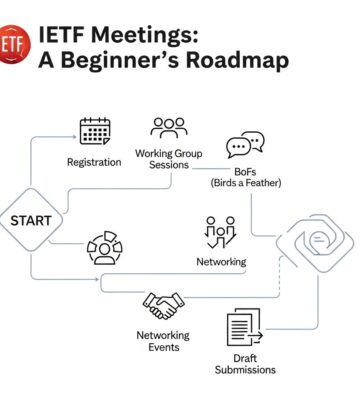
Getting started is straightforward. Visit the official IETF site for the current meeting’s page. Locate the remote participation section—typically prominent on the agenda portal.
- Create an IETF Account: Sign up with an email address to access tools and track involvement.
- Register as Remote Participant: Submit details confirming your intent; approval is instant and free.
- Verify Tools: Test audio/video setup using provided demo links.
- Subscribe to Notifications: Opt into updates on schedule changes or tool issues.
Pro Tip: Complete this a week early to troubleshoot connectivity. High-speed internet and headphones enhance experience.
Navigating the Meeting Agenda
Each IETF agenda lists hundreds of sessions across working groups, areas, and Birds-of-a-Feather (BoF) gatherings for emerging topics. Filter by interest: security (SEC), applications (ART), or transport (TSV). Each entry links to drafts, slides, and charter documents.
| Session Type | Description | Remote Tools |
|---|---|---|
| Working Group | Core protocol discussions | Meetecho, Audio, Jabber |
| BoF | New ideas exploration | Video, YouTube (select) |
| Plenary | All-hands updates | Full video stream |
UTC-timed versions prevent timezone confusion. Prioritize 3-5 sessions daily to avoid overload.
Essential Remote Participation Platforms
Meetecho: The Primary Hub
Meetecho delivers an integrated experience with synchronized slides, live video of speakers, floor audio, and text chat. Raise hands virtually for queueing questions; moderators call on remotes seamlessly. Queue feedback appears on-screen, bridging physical and virtual divides.
Audio and Streaming Options
For bandwidth-limited setups, multicast audio streams via RTP work reliably. YouTube live streams select high-interest sessions, ideal for passive viewing.
Jabber/XMPP Chat
Group chats per session enable side discussions, clarifications, and queue management. Bots relay remote comments to the room microphone, ensuring voices are heard.
Hybrid tip: Use multiple tools simultaneously—watch video while chatting—for comprehensive engagement.
Maximizing Impact Through Mailing Lists
Meetings spark ideas, but mailing lists drive decisions. Every working group maintains a public archive where drafts are reviewed and revised. Post-meeting, minutes and audio recordings fuel ongoing debates.
- Find lists via agenda links or datatracker.ietf.org.
- Subscribe by emailing the request address.
- Lurk initially to grasp norms: technical depth, “rough consensus” via discussion.
Submit feedback on Internet-Drafts to influence adoption as RFCs. Tools like datatracker track document status.
Tips for First-Time Remote Participants
Newcomers often feel overwhelmed by jargon and pace. Prepare effectively:
- Read The Tao of the IETF for culture and etiquette.
- Watch introductory webinars on YouTube channel.
- Skim drafts (marked “X” in agendas) beforehand.
- Practice queueing in test rooms.
- Engage post-session via chat or lists.
Common pitfalls: Muted microphones, ignoring chat etiquette (label comments [Remote]), or skipping prep reading. Success stories abound—many RFC authors started remotely.
Advanced Strategies for Ongoing Contribution
Beyond single meetings, sustained involvement yields results. Shepherd a draft, volunteer for working group chairs, or propose BoFs. Track progress via datatracker tools. Contribute code to open-source implementations validating protocols.
IETF’s remote evolution, accelerated by global events, now supports multilingual captions and accessibility features, broadening reach.
FAQs: Remote IETF Participation
Is remote participation truly equal to in-person?
Yes—many decisions stem from remote input; tools ensure parity in speaking opportunities.
What if I miss a session?
Recordings, minutes, and slides post promptly; catch up via lists.
Do I need programming skills?
No—diverse roles exist for reviewers, documenters, and idea generators.
How current is this info?
Guidelines stable since 2019; check latest meeting pages for updates.
Can organizations sponsor remote access?
Many do via Internet Society chapters or employer programs.
Conclusion: Your Role in Internet’s Future
Remote IETF participation transforms passive users into active architects of the Internet. By registering, engaging sessions, and joining lists, you join a legacy sustaining an open, interoperable web. Whether tweaking TLS or pioneering quantum-safe crypto, your input matters. Dive in— the next meeting awaits.
References
- Internet Engineering Task Force (IETF) Official Website — IETF. Ongoing. https://www.ietf.org/
- IETF Datatracker — IETF. Ongoing. https://datatracker.ietf.org/
- The Tao of the IETF — IETF. 2023-05-15. https://www.ietf.org/about/groups/iesg/statements/tao-ietf-2023/
- Remote Participation Guidelines — IETF. Ongoing. https://www.ietf.org/how/meetings/remote-participation/
- IETF Meeting Agendas — IETF. Ongoing. https://www.ietf.org/meetings/
Similar Articles








Read full bio of medha deb