IoT Smart Homes Boom in Indonesia
Indonesia's rapid embrace of IoT-driven smart homes promises convenience, efficiency, and growth amid urbanization challenges.
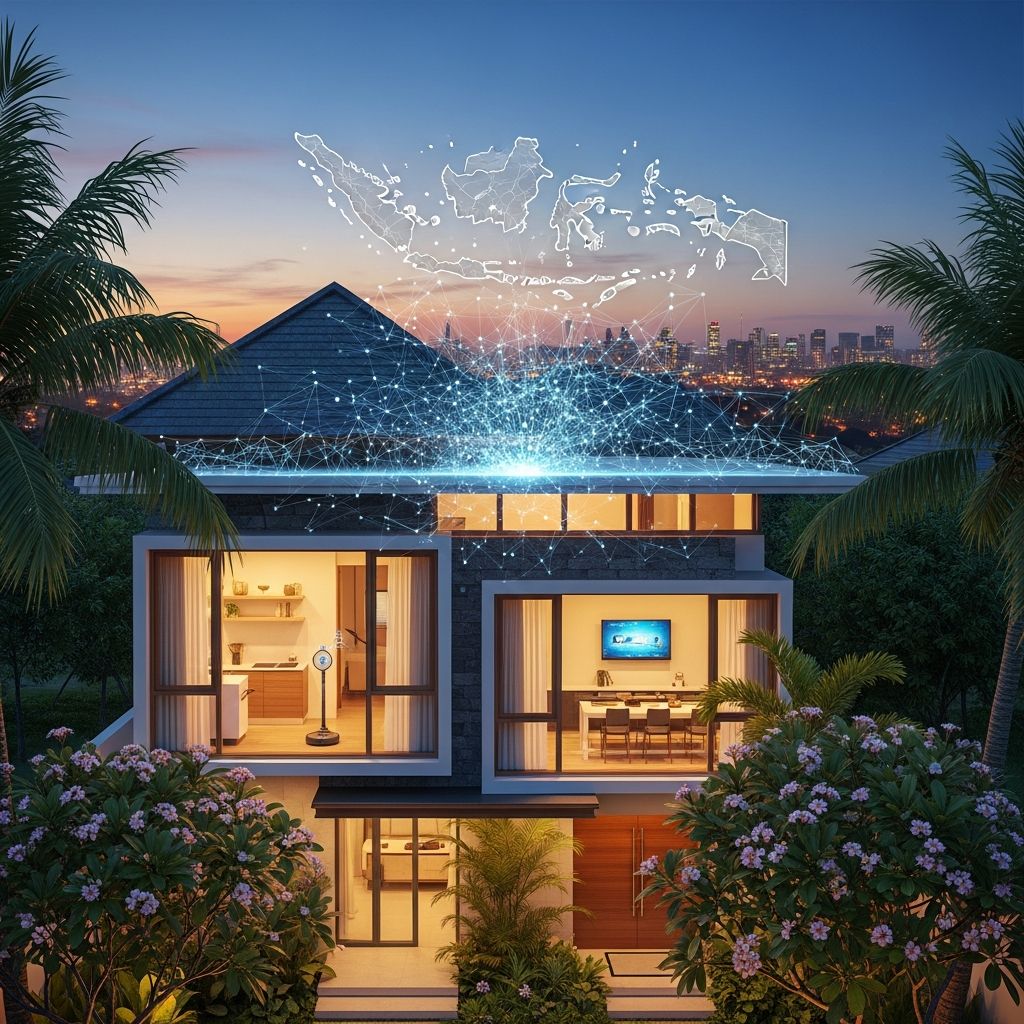
Indonesia, Southeast Asia’s largest economy, is witnessing a transformative shift in residential living through the integration of Internet of Things (IoT) technologies. As urban populations swell and digital infrastructure expands, smart homes are emerging as a practical solution to modern challenges like energy management, security, and convenience. This article delves into the drivers, current state, benefits, and future trajectory of IoT-enabled smart homes in Indonesia, highlighting how this trend is reshaping daily life for millions.
Urbanization Fuels Demand for Intelligent Living Solutions
Rapid urbanization in Indonesia has led to densely populated cities like Jakarta, Surabaya, and Bandung, where traditional housing struggles to meet evolving needs. With over 56% of the population now urban dwellers, there’s a pressing demand for homes that optimize space, resources, and security. IoT smart homes address these issues by connecting everyday devices—lights, thermostats, locks, and appliances—to the internet, allowing remote control and automation.
Young professionals and growing middle-class families are at the forefront of this adoption. They seek tech-savvy homes that integrate seamlessly with smartphones and voice assistants. In new residential developments, developers are increasingly embedding IoT features as standard, from smart lighting that adjusts to occupancy to automated irrigation systems for vertical gardens.
- Key urban drivers: High-rise apartments requiring efficient energy use.
- Population growth: Projected to add 20 million urban residents by 2030.
- Government push: Initiatives like ‘Smart Cities’ under the Ministry of Public Works promoting IoT infrastructure.
Market Growth Projections and Economic Impact
The Indonesian smart home market is on a meteoric rise. Valued at USD 1.81 billion in 2024, it is forecasted to reach USD 8.12 billion by 2030, boasting a compound annual growth rate (CAGR) of 27%. This explosive growth is propelled by affordable IoT devices, improved broadband penetration, and rising disposable incomes.
| Year | Market Size (USD Billion) | CAGR |
|---|---|---|
| 2024 | 1.81 | – |
| 2025 | 2.46 | 27% |
| 2030 | 8.12 | 27% |
Segments like security systems, HVAC controls, and lighting dominate, with IoT integration enabling predictive maintenance and data-driven efficiencies. Telecom giants such as PT Telekomunikasi Indonesia and PT XL Axiata are key players, rolling out bundled services that include smart home connectivity.
Core Benefits Driving IoT Adoption
Energy Efficiency and Cost Savings
One of the standout advantages of smart homes is energy conservation. IoT sensors monitor usage in real-time, automatically dimming lights or optimizing air conditioning based on occupancy. In Indonesia’s tropical climate, where cooling accounts for significant electricity bills, these systems can slash consumption by up to 30%.1
For state-owned residences and commercial estates, IoT enables tracking of electricity and water meters, feeding data into centralized systems for better resource allocation. This not only cuts costs but aligns with national sustainability goals.
Enhanced Security and Peace of Mind
Smart locks, surveillance cameras, and motion detectors connected via IoT provide round-the-clock monitoring. Homeowners receive instant alerts on their phones for unusual activity, deterring burglaries common in urban areas. Integration with AI allows facial recognition and automated responses, like activating sirens.
Convenience and Lifestyle Upgrades
Imagine arriving home to pre-heated meals or a perfectly lit living room—all controlled via a single app. Voice-activated assistants like Google Home or Alexa are gaining traction, supporting Bahasa Indonesia for broader accessibility. Entertainment systems stream content seamlessly, while health monitors track air quality and elderly care.
- Automation examples: Robotic vacuums, smart fridges ordering groceries.
- Health integration: Wearables syncing with home hubs for wellness insights.
Challenges in Widespread IoT Deployment
Despite the optimism, hurdles remain. Intermittent internet in rural-urban fringes hampers reliability. Cybersecurity risks loom large, with IoT devices vulnerable to hacks if not updated. High initial costs deter low-income households, though prices are dropping due to local manufacturing.
Interoperability issues arise from diverse device ecosystems, but standards from bodies like the GSMA are helping. Consumer education is crucial; many Indonesians are unaware of setup complexities or data privacy implications.
Frequently Asked Questions (FAQs)
What is the current size of Indonesia’s smart home market?
It stood at USD 1.81 billion in 2024, projected to grow significantly.1
Which IoT products are most popular in Indonesian homes?
Security systems, smart lighting, and HVAC controls lead adoption.
How does IoT contribute to energy savings?
Through real-time monitoring and automation, reducing usage by 20-30%.
Are there government incentives for smart homes?
Yes, via Smart City programs and subsidies for green tech.
What are the main barriers to adoption?
Cost, internet reliability, and cybersecurity concerns.
Case Studies: Real-World Implementations
In Jakarta’s premium estates, developers like Agung Podomoro have integrated IoT platforms for centralized management, resulting in 25% lower utility bills. Universities like Universitas Indonesia are researching IoT for state housing, focusing on predictive analytics for maintenance.2
Small-scale successes include middle-class families in Bandung using affordable Xiaomi devices for basic automation, proving scalability across income levels.
Future Outlook: A Connected Indonesia
By 2030, experts predict over 9.58 million smart homes, bolstered by 5G rollout and AI advancements.3 Government policies emphasizing digital economy will accelerate this, potentially adding jobs in tech installation and support. As IoT matures, expect deeper integrations like blockchain for secure data sharing and edge computing for faster responses.
The ripple effects extend to sustainability: Reduced carbon footprints from efficient homes support Indonesia’s net-zero ambitions. For consumers, it’s about empowerment—turning houses into responsive ecosystems that adapt to needs.
Getting Started with Your Smart Home
- Assess needs: Prioritize security or energy?
- Choose compatible devices: Stick to ecosystems like Google or Tuya.
- Ensure strong Wi-Fi: Upgrade to mesh networks.
- Secure setup: Use strong passwords, enable updates.
- Start small: Add one device, scale up.
Indonesia’s smart home journey is just beginning, promising a future where technology enhances livability without complexity.
References
- Indonesia Smart Home Market Analysis | Forecast 2025-2030 — NextMSC. 2024. https://www.nextmsc.com/report/indonesia-smart-home-market
- Influencing Factors Analysis IoT Adoption in Indonesian State Residences — Irfan Murtadho Agtyaputra et al., Universitas Indonesia. 2023. https://infeb.org/index.php/infeb/article/download/914/410/
- Indonesia Smart Home Market Outlook to 2030 — Ken Research. 2024. https://www.kenresearch.com/industry-reports/indonesia-smart-home-market
Similar Articles







Read full bio of Sneha Tete