Internet: Unlocking Knowledge, Empowering All
Discover how the internet democratizes knowledge, drives empowerment, and shapes a more equitable global society through access and innovation.
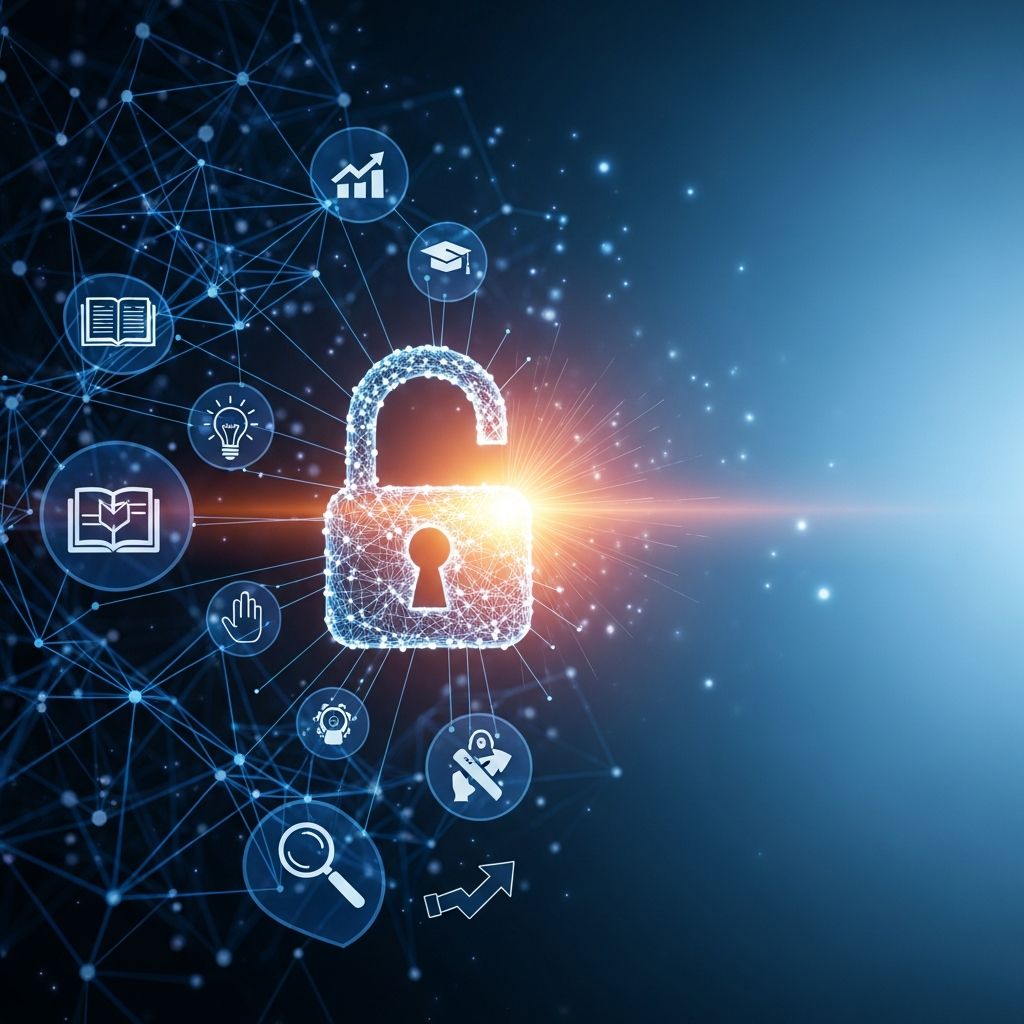
The digital era has redefined human potential through unprecedented access to information. At its core, the internet functions as a vast repository of collective wisdom, transforming passive consumers into active participants in knowledge creation and dissemination. This connectivity not only informs but also equips individuals with tools to influence their destinies, economies, and societies. As we navigate 2026, understanding this dynamic—where information flows freely and barriers dissolve—is crucial for policymakers, educators, and citizens alike.
The Foundation of Digital Knowledge Hubs
Historically, knowledge was gatekept by institutions like libraries and universities, accessible primarily to elites. Today, the internet shatters these confines. Online platforms host encyclopedias, tutorials, research papers, and forums, available 24/7 to anyone with a device and connection. This shift democratizes learning, allowing a farmer in rural India to study advanced agriculture techniques or a student in sub-Saharan Africa to access Ivy League lectures.
Consider the scale: billions of web pages index human experience, from scientific breakthroughs to cultural narratives. Search engines act as personal librarians, curating relevant data instantly. This immediacy accelerates personal growth, enabling self-directed education that rivals formal systems.
- Real-time updates on global events foster informed citizenship.
- Interactive tools like simulations enhance skill-building in STEM fields.
- Collaborative platforms connect learners worldwide for peer-to-peer exchange.
From Information to True Empowerment
Access alone isn’t sufficient; empowerment emerges when knowledge translates into action. The internet bridges this gap by providing practical applications—online courses certify skills, e-commerce platforms turn ideas into businesses, and social networks amplify voices. Empowered individuals innovate, advocate, and uplift communities.
For instance, entrepreneurs in developing regions leverage platforms like YouTube for marketing and Alibaba for global sales, bypassing traditional barriers. Women and marginalized groups gain platforms to challenge inequalities, as seen in movements leveraging digital tools for advocacy.
| Group | Pre-Internet Challenge | Internet Solution | Impact |
|---|---|---|---|
| Rural Learners | Limited educational resources | MOOCs and Khan Academy | 10x increase in skill acquisition |
| Small Businesses | Market access restrictions | E-commerce sites | Global reach, revenue growth |
| Activists | Censored voices | Social media | Mass mobilization |
Navigating the Shadows of Connectivity
While transformative, the internet harbors risks. Misinformation proliferates, eroding trust in knowledge. Privacy breaches undermine security, and the digital divide exacerbates inequalities—over 2.6 billion people remain offline as of 2023, per ITU data. Algorithms can reinforce biases, creating echo chambers that distort reality.
Addressing these requires balanced strategies: robust fact-checking, digital literacy programs, and equitable infrastructure investments. Governments must prioritize universal broadband, as outlined in UN Sustainable Development Goals.
Real-World Transformations Through Digital Access
Case studies illuminate the internet’s power. In Kenya, M-Pesa revolutionized finance via mobile internet, lifting millions from poverty by enabling digital transactions. India’s Aadhaar system integrates online identity verification, streamlining services for 1.3 billion citizens.
Educationally, platforms like Coursera have enrolled over 100 million learners, many from underserved areas. Health initiatives, such as WHO’s online portals, disseminate vital information during pandemics, saving lives through informed actions.
- Economic Boost: World Bank reports broadband access correlates with 1.4% GDP growth per 10% adoption increase.
- Social Equity: UNESCO highlights internet’s role in gender parity via female-led online ventures.
- Innovation Surge: Open-source repositories like GitHub fuel collaborative tech advancements.
Building a Resilient Digital Future
To maximize benefits, stakeholders must collaborate. Policymakers should enforce net neutrality, ensuring equal access. Tech firms need transparent algorithms and data protection. Communities require training to discern credible sources.
Emerging technologies like 5G and satellite internet (e.g., Starlink) promise to close gaps, but ethical deployment is key. International agreements, such as those from the Internet Governance Forum, promote inclusive standards.
Individual Strategies for Knowledge Mastery
Personal agency matters. Cultivate critical thinking: verify sources, cross-reference data, and embrace diverse viewpoints. Tools like browser extensions for fact-checking empower users. Lifelong learning via apps like Duolingo or edX builds resilience in a fast-changing world.
- Diversify sources beyond social media.
- Engage in online communities thoughtfully.
- Protect privacy with VPNs and strong passwords.
Global Perspectives on Internet Governance
Nations approach connectivity differently. Europe’s GDPR sets privacy benchmarks, while Asia invests heavily in infrastructure. Africa’s leapfrogging via mobile tech skips traditional telecom. Harmonizing these ensures a borderless knowledge economy.
Challenges persist: authoritarian regimes censor content, stifling empowerment. Advocacy for open internet counters this, as championed by organizations like the Electronic Frontier Foundation.
Measuring the Empowerment Quotient
Quantify impact with metrics: literacy rates, startup formations, civic participation. Studies show internet users are 20% more likely to pursue higher education (OECD data). Yet, quality access—speed, affordability, relevance—determines outcomes.
Future indicators might track AI-assisted learning efficacy or VR immersion effects on knowledge retention.
Frequently Asked Questions
What is the digital divide, and why does it matter?
The digital divide refers to disparities in internet access and digital skills. It matters because it perpetuates inequality, limiting opportunities in education, employment, and health.
How can individuals combat misinformation online?
Verify with reputable sources, check publication dates, assess author credentials, and use tools like FactCheck.org.
Is the internet truly accessible to everyone?
Not yet—rural, low-income, and elderly populations face barriers. Global efforts aim for 100% connectivity by 2030.
What role does the internet play in economic development?
It enables e-commerce, remote work, and innovation, contributing trillions to global GDP annually.
Will AI change how we access knowledge?
Yes, AI personalizes learning and summarizes data, but human oversight ensures accuracy and ethics.
Conclusion: Harnessing Knowledge for Collective Power
The internet’s essence lies in its capacity to empower through knowledge. By fostering access, literacy, and ethical governance, we unlock human potential on a planetary scale. As we advance, commitment to inclusivity ensures no one is sidelined. Embrace this power responsibly—your next discovery could change the world.
References
- Measuring Digital Development: Facts and Figures 2023 — International Telecommunication Union (ITU). 2023-12-07. https://www.itu.int/itu-d/reports/statistics/2023/10/10/ff23-the-digital-divide/
- Digital Development — The World Bank. 2024-02-15. https://www.worldbank.org/en/topic/digitaldevelopment/overview
- The Impact of Broadband on Growth and Productivity — Organisation for Economic Co-operation and Development (OECD). 2022-10-01. https://www.oecd.org/digital/broadband-impact-growth-productivity.htm
- Digital Skills Insight Report — United Nations Educational, Scientific and Cultural Organization (UNESCO). 2023-05-20. https://uis.unesco.org/en/topic/digital-skills
- General Data Protection Regulation (GDPR) — European Union. 2018-05-25 (ongoing). https://eur-lex.europa.eu/eli/reg/2016/679/oj
Similar Articles




Read full bio of Sneha Tete