Internet Growth in Africa
Discover how Africa is rapidly advancing its digital infrastructure and joining global online discussions through innovation and collaboration.
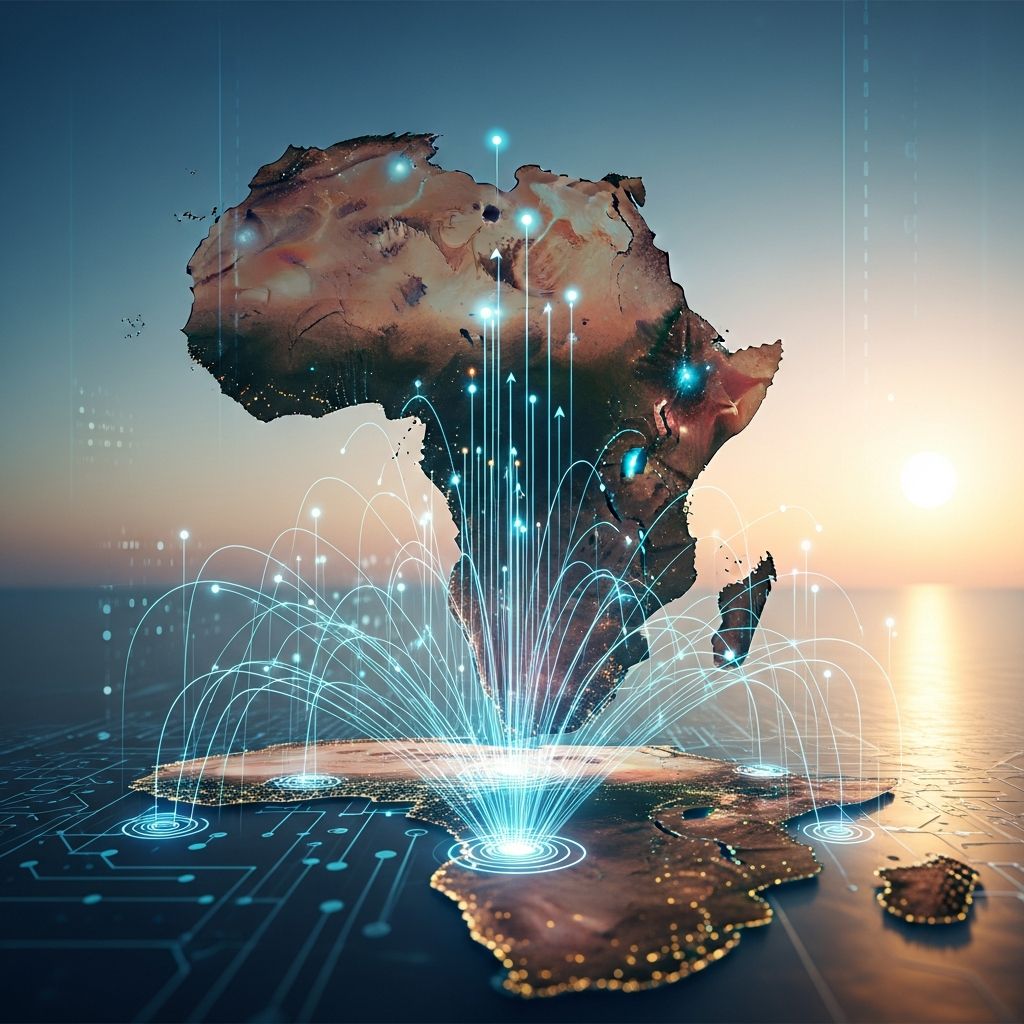
Internet Growth in Africa: A Journey of Connectivity and Empowerment
The African continent has undergone a transformative evolution in its digital landscape over the past few decades. From humble beginnings with limited connectivity to becoming a vibrant hub of innovation, Africa’s Internet story is one of resilience, collaboration, and strategic investment. This growth not only bridges the digital divide but also positions African nations as active participants in worldwide technology conversations. Understanding this progression reveals the foundational efforts that continue to shape the region’s future in the online world.
Early Foundations: Pioneering Connections Across the Continent
In the late 20th century, Africa’s entry into the Internet era began modestly. Before full TCP/IP networks became widespread, alternative communication methods like store-and-forward systems laid crucial groundwork. These systems, utilizing protocols such as FidoNet and UUCP, enabled email-like exchanges between isolated computers, fostering early digital communication in resource-scarce environments.
The landmark moment arrived in October 1991 when Tunisia established Africa’s inaugural full Internet connection via TCP/IP to France. Just a month later, South Africa linked up with a connection to Portland, Oregon, in the United States. These pioneering links marked the dawn of real-time Internet access on the continent. Over the subsequent years, other nations followed suit, with Egypt, Egypt, and Morocco joining by 1993. The process accelerated through the 1990s, though challenges like infrastructure limitations and political hurdles slowed progress in some areas.
By November 2000, Eritrea achieved the final TCP/IP connection among African countries, completing a decade-long push toward continental coverage. This timeline underscores the determination of local engineers and international partners who navigated technical and logistical barriers to build these networks. Today, these early achievements serve as a testament to the foundational infrastructure that supports Africa’s current digital boom.
Building Capacity: Training the Next Generation of Network Experts
To sustain and expand Internet infrastructure, comprehensive training has been essential. Organizations like the Network Startup Resource Center (NSRC) have played a pivotal role, offering hands-on workshops that equip engineers with skills in network design, management, and troubleshooting. These programs emphasize practical knowledge, from configuring routers to securing data transmissions, tailored to Africa’s unique challenges like unreliable power and diverse terrains.
NSRC’s efforts have trained thousands across dozens of countries, creating a cadre of professionals who maintain and innovate local networks. For instance, workshops often include sessions on IPv6 deployment, wireless technologies, and cybersecurity—critical for modern connectivity. Participants return to their home institutions equipped to train others, amplifying the impact through a multiplier effect.
Complementing these technical trainings are policy-focused initiatives, such as Google’s Africa Internet Academy. This annual workshop gathers policymakers to deliberate on emerging trends in technology regulation and governance. Discussions cover topics like data privacy, spectrum allocation, and broadband expansion, ensuring that regulatory frameworks support sustainable growth.
- Key benefits of these programs include:
- Hands-on experience with real-world equipment
- Focus on open-source tools for cost-effectiveness
- Networking opportunities with global experts
- Emphasis on community-driven knowledge sharing
Amplifying Voices: Africa’s Role in Global Internet Governance
As connectivity spread, the need for structured dialogue grew. African stakeholders increasingly engaged in international forums to influence standards and policies. The Internet Society (ISOC) has been instrumental, supporting regional events that bring together governments, civil society, and industry leaders.
National and regional Internet Governance Forums (IGFs) have emerged as vital platforms. These gatherings facilitate multistakeholder discussions on issues like affordable access, digital inclusion, and content localization. By participating, African representatives ensure the continent’s priorities—such as rural connectivity and youth empowerment—are addressed in global agendas.
Pioneers like Nii Quaynor, often called the father of the African Internet, exemplify this leadership. His work in the 1990s helped standardize connections and foster collaborations. Today, similar leaders advocate for equitable policies, highlighting Africa’s contributions to protocols like IPv6 and content delivery networks.
Current Landscape: Challenges and Opportunities
Africa’s Internet penetration has surged, with over 500 million users as of recent estimates. Mobile networks dominate, driving innovations in fintech, e-health, and e-education. However, disparities persist: urban areas enjoy high-speed fiber, while rural regions rely on 2G or satellite links.
| Region | Penetration Rate (%) | Main Technology | Key Challenge |
|---|---|---|---|
| East Africa | 45 | Mobile Broadband | Affordability |
| West Africa | 38 | 3G/4G | Infrastructure Gaps |
| Southern Africa | 60 | Fiber Optics | Energy Reliability |
| North Africa | 70 | High-Speed Fixed | Content Regulation |
Emerging technologies like 5G and low-Earth orbit satellites promise to close these gaps. Investments from the African Union and World Bank target undersea cables and national backbones, enhancing resilience.
Future Directions: Fostering Innovation and Inclusion
Looking ahead, Africa’s Internet ecosystem must prioritize inclusivity. Initiatives focus on gender digital divides, with programs training women in coding and entrepreneurship. Youth hubs incubate startups, leveraging local talent for apps in agriculture and logistics.
Policy advocacy continues through alliances like AFRINIC, managing IP resources continent-wide. Collaborations with global bodies ensure Africa shapes standards for AI, blockchain, and IoT.
Frequently Asked Questions (FAQs)
What was Africa’s first full Internet connection?
Tunisia connected via TCP/IP to France in October 1991.
How has NSRC contributed to African networks?
NSRC provides free training workshops, building capacity for thousands of engineers since the 1990s.
What role do IGFs play in Africa?
IGFs promote multistakeholder dialogue on Internet policies, amplifying African perspectives globally.
Who is considered a pioneer of the African Internet?
Nii Quaynor led early efforts in Ghana and beyond, earning recognition for his foundational work.
What are the biggest barriers to Internet access today?
Challenges include high costs, poor infrastructure in rural areas, and regulatory hurdles.
References
- Stepping Stones to the Internet in Africa — Network Startup Resource Center (NSRC). Accessed 2026. https://nsrc.org/africa-network-history
- Nii Quaynor: Bringing the Internet to Africa — IEEE Computer Society. 2014-09-01. https://www.computer.org/csdl/magazine/co/2014/09/mco2014090007/13rRUxCRFRw
Similar Articles








Read full bio of Sneha Tete