Critical Infrastructure: IXPs Strengthen Caribbean Connectivity
How localized internet infrastructure protects vital communications during crises
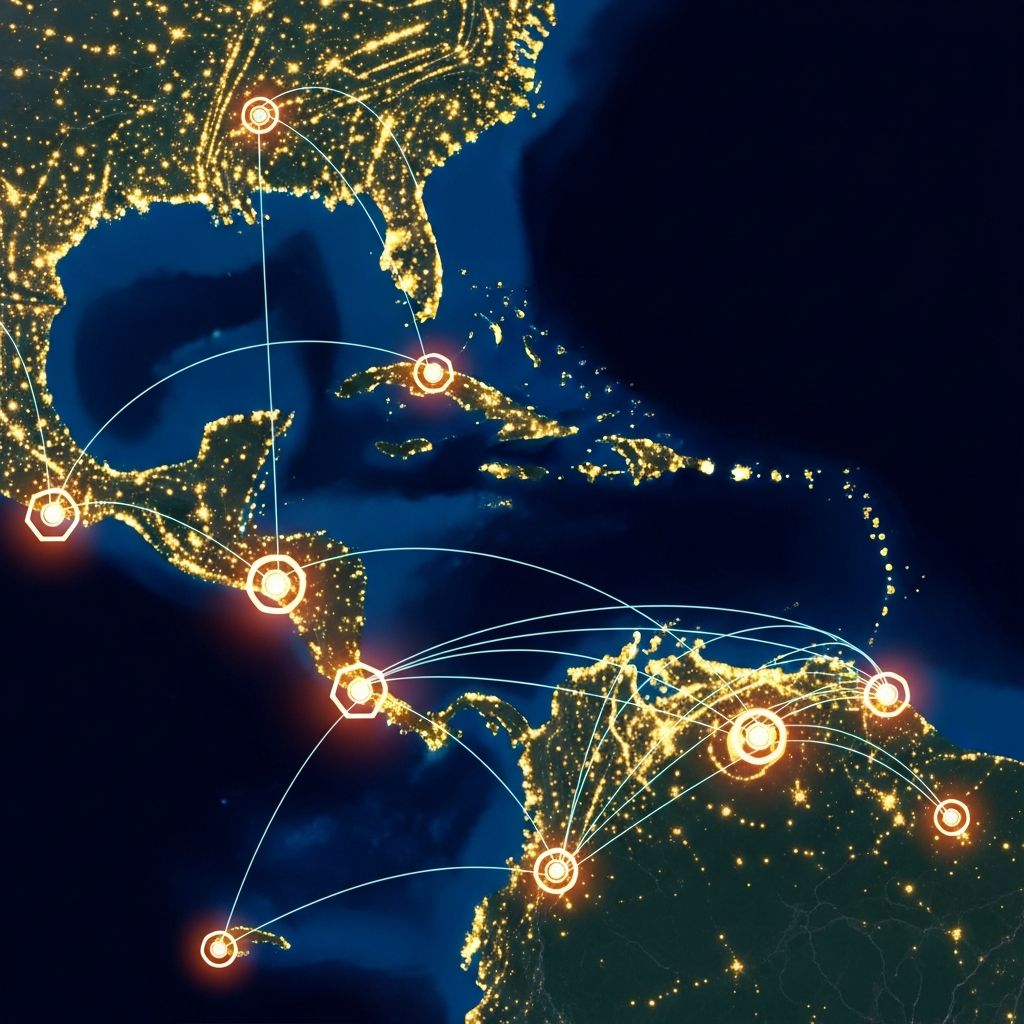
Critical Infrastructure: How Internet Exchange Points Fortify Connectivity During Crises
Natural disasters strike without warning, and their impact extends far beyond physical destruction. When earthquakes, hurricanes, or other catastrophic events devastate communities, the ability to communicate becomes paramount. During times of crisis, people instinctively reach out through digital channels to locate loved ones, share information, and coordinate rescue efforts. Yet in many vulnerable regions, the very infrastructure that enables this vital communication remains fragile and susceptible to failure. Understanding how localized internet infrastructure can withstand such challenges reveals important lessons about building resilient systems that serve populations in their moments of greatest need.
Understanding Internet Exchange Points and Their Strategic Value
An Internet Exchange Point, commonly abbreviated as IXP, represents a critical but often overlooked component of digital infrastructure. These facilities function as centralized locations where Internet Service Providers and network operators interconnect their systems, allowing data to flow more efficiently across networks. Rather than routing traffic through distant international gateways, an IXP enables local data exchange, reducing latency, lowering costs, and improving overall network performance for end users.
The architectural significance of IXPs becomes particularly apparent in island nations and geographically isolated regions. Without local exchange capabilities, all data traffic must traverse expensive international submarine cables or satellite links, creating single points of failure that can cripple connectivity when disaster strikes. By establishing robust local interchange infrastructure, nations can maintain communication channels even when external connections become compromised.
The Challenge of Maintaining Digital Connectivity in Vulnerable Regions
Caribbean nations face unique vulnerabilities when it comes to maintaining reliable internet infrastructure. Geographic isolation, limited economic resources, and exposure to multiple types of natural disasters—including earthquakes, hurricanes, and tropical storms—create an environment where communication infrastructure must demonstrate exceptional durability and adaptability. When major seismic events occur, the physical damage extends beyond buildings and roads to include the telecommunications cables, power systems, and equipment facilities that enable digital connectivity.
The experience of island communities during natural disasters consistently demonstrates that internet access becomes one of the most critical services for affected populations. Unlike many developed regions where alternative communication methods exist, communities in developing nations often rely exclusively on digital channels to reach out to relatives, access emergency services, and receive critical information about ongoing recovery efforts. When traditional communication infrastructure fails, the consequences ripple through every aspect of disaster response and recovery.
Local Infrastructure as a Resilience Factor
The principle underlying effective disaster resilience involves creating redundancy and localization at critical infrastructure points. When internet infrastructure remains centralized and dependent on distant international gateways, vulnerability increases proportionally. Conversely, when exchange points and interconnection facilities are established locally, several protective benefits emerge:
- Reduced Dependency on External Links: Local exchange enables data to circulate within regional networks without requiring transmission through international cables that may be damaged or unreachable
- Faster Data Routing: Proximity between network operators allows immediate data exchange, eliminating latency issues that plague long-distance routing
- Lower Operational Costs: Reduced reliance on expensive international bandwidth decreases operational expenses for service providers and end users
- Enhanced Service Availability: When multiple local operators interconnect at centralized facilities, alternative pathways emerge automatically if primary routes experience disruption
- Community Empowerment: Local infrastructure development builds technical expertise and economic capacity within the region itself
Power Systems and Operational Continuity
Physical infrastructure alone cannot sustain operations during widespread disruptions. The relationship between power availability and internet functionality represents a critical vulnerability that extends beyond mere data transmission. Internet facilities require constant electrical power, and when earthquakes damage electrical grids or hurricanes disrupt power distribution systems, data centers and exchange points face potential shutdown despite remaining physically intact.
Addressing this challenge requires implementing backup power systems including uninterruptible power supplies, diesel generators, and ideally, renewable energy sources. Investment in these supplementary systems extends beyond simple cost calculations—it represents a fundamental commitment to maintaining essential services when conventional infrastructure fails. Communities that prioritize such investments demonstrate understanding that digital resilience directly supports human resilience during catastrophic events.
The Role of International Support and Technology Partnerships
Developing nations often lack the financial resources to independently construct and maintain sophisticated internet infrastructure at the standards required for optimal resilience. International organizations, technology companies, and bilateral partnerships provide crucial support through funding, expertise, and equipment. When external stakeholders recognize the importance of strengthening digital infrastructure in vulnerable regions, they contribute not merely to economic development but to human security and disaster preparedness.
Such partnerships typically involve technology transfer, staff training, and ongoing technical support that build local capacity over time. Rather than creating dependency relationships, effective partnerships work toward empowering local teams to manage and expand infrastructure independently. This approach ensures sustainability and adapts solutions to regional contexts rather than imposing one-size-fits-all approaches.
Case Study: Practical Applications of Localized Infrastructure
Real-world experience from Caribbean communities demonstrates the tangible benefits of investing in local internet infrastructure. When significant seismic events occurred in the region, communities equipped with functional local exchange points maintained internet connectivity despite damage to external infrastructure. This capability proved invaluable as people used digital channels to:
- Contact relatives and confirm safety status
- Coordinate volunteer and mutual aid efforts
- Share real-time information about infrastructure damage and humanitarian needs
- Access emergency alerts and recovery information from authorities
- Document conditions for insurance and recovery planning
The continued functionality of these systems during crisis situations provided measurable benefits to affected populations compared to situations where internet access was completely severed.
Technological Upgrades and Modern Infrastructure Standards
Maintaining competitive operational standards requires continuous technological investment and modernization. Internet infrastructure that served adequately five or ten years ago may become inadequate as data consumption patterns evolve and user populations grow. Contemporary exchange points benefit from advanced management software, automation systems, and monitoring tools that enable operators to detect and respond to problems before they impact users.
These technological enhancements serve multiple purposes simultaneously. They improve day-to-day operational efficiency for normal business activities while simultaneously strengthening resilience characteristics that emerge during crisis situations. Automated systems can reroute traffic intelligently, redundancy systems can activate without human intervention, and real-time monitoring can identify emerging problems before they cascade into widespread outages.
Economic and Social Implications of Resilient Infrastructure
The benefits of robust internet infrastructure extend far beyond emergency situations. Communities with reliable, locally-optimized connectivity attract business investment, enable remote work opportunities, and support educational initiatives that depend on digital access. Small businesses can reach broader markets, students can access online educational resources, and professionals can participate in global economic activities without the handicaps imposed by poor connectivity.
When disasters inevitably occur, this pre-existing infrastructure advantage translates directly into better crisis response, faster recovery, and reduced overall damage. The investments made during periods of normalcy demonstrate their value during emergencies, creating a virtuous cycle that encourages continued improvement and maintenance.
Addressing Remaining Challenges and Future Development
Despite recognition of the importance of local internet infrastructure, developing nations continue facing barriers to optimal implementation. Limited fiscal capacity requires prioritization among competing needs, and digital infrastructure often competes for resources against more immediately visible priorities like hospitals or schools. Additionally, technical expertise remains concentrated in wealthier nations, making it challenging for smaller regions to recruit and retain skilled professionals.
Climate change introduces additional complexity, with increasingly severe weather events creating more frequent challenges to infrastructure resilience. Future planning must account for intensifying environmental stresses while maintaining service quality and managing costs effectively.
International Frameworks and Cooperation Models
Addressing digital infrastructure challenges at the Caribbean scale requires coordination among multiple stakeholders including national governments, telecommunications companies, international organizations, and technology companies. Establishing frameworks that facilitate knowledge sharing, coordinate investments, and align technical standards strengthens overall regional resilience. Regional organizations can facilitate bulk purchasing of equipment, coordinate training initiatives, and establish mutual support agreements that activate during emergencies.
Such cooperative approaches recognize that internet resilience represents a collective challenge requiring collective solutions. When one nation develops expertise or acquires resources, sharing that knowledge with neighbors strengthens the entire region.
Conclusion: Building Foundations for Resilient Societies
Internet Exchange Points and localized digital infrastructure represent more than technical achievements—they embody recognition that modern resilience requires technological sophistication integrated with strategic planning. When natural disasters strike vulnerable communities, the presence of functional, well-maintained local internet infrastructure can mean the difference between communities remaining isolated and frightened versus remaining connected and coordinated in their response.
Investment in such infrastructure requires sustained commitment through peacetime periods, steady funding streams that survive political transitions, and technical expertise that can adapt to evolving challenges. The returns on such investments multiply during emergencies, when suddenly the value of maintained systems becomes undeniably apparent. As climate change and natural hazard risks continue evolving, prioritizing resilient digital infrastructure represents a practical strategy for protecting human security and enabling effective disaster response in vulnerable regions worldwide.
References
- An Internet Exchange Point Helps Haiti during Natural Disasters — Internet Society. 2022-07-01. https://www.internetsociety.org/blog/2022/07/an-internet-exchange-point-helps-haiti-during-natural-disasters/
- Post-disaster resilience assessment in Haiti: lessons learned — International Telecommunication Union (ITU). 2023-05-02. https://www.itu.int/itu-d/sites/connect2recover/
- Emergency Telecommunications Cluster: Connect to Recover Initiative — United Nations Office for the Coordination of Humanitarian Affairs (OCHA). https://www.humanitarianresponse.info/en/clusters/emergency-telecommunications
- Situation in Haiti and the DNS — Internet Corporation for Assigned Names and Numbers (ICANN). 2010-01-14. https://www.icann.org/en/blogs/details/situation-in-haiti-and-the-dns-14-1-2010-en
- Global Internet Exchange Association Resources — Global Internet eXchange Association (GIXIA). https://www.gixa.org/
- Best Practices for Disaster Communications Infrastructure — International Organization for Standardization (ISO) Technical Committee 223. https://www.iso.org/committee/54216.html
Similar Articles








Read full bio of Sneha Tete