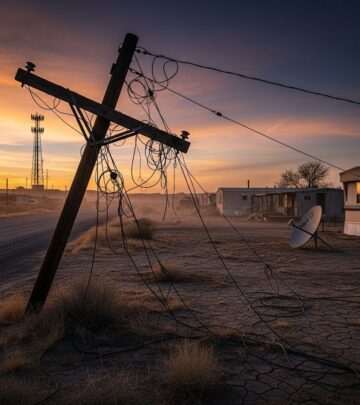
Internet Censorship in Venezuela: A Growing Crisis
Explore the escalating internet blocks, surveillance, and their profound impact on free expression and democracy in Venezuela over the years.
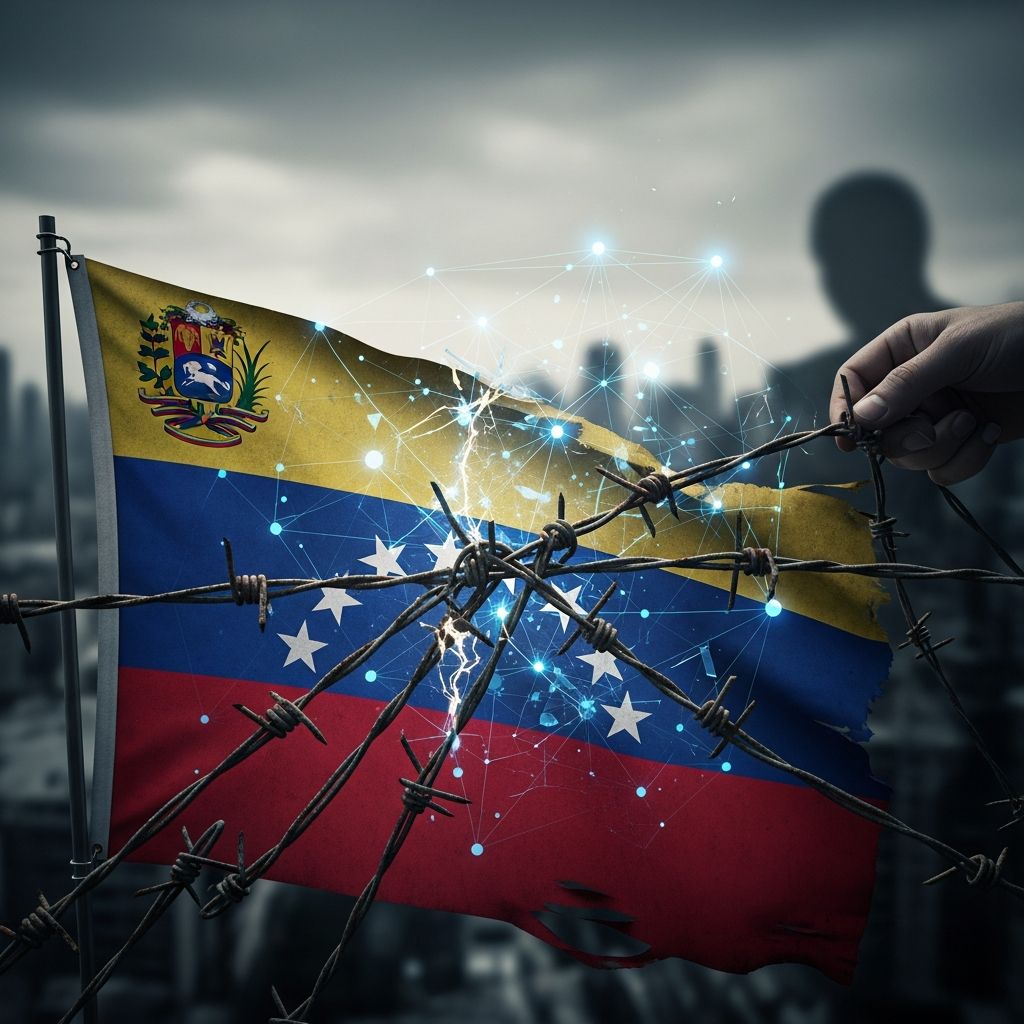
Venezuela’s digital landscape has undergone a dramatic transformation in recent years, marked by escalating government controls over online access and content. What began as targeted blocks on specific news sites has evolved into a sophisticated system of censorship, surveillance, and infrastructure disruptions. This crisis not only limits citizens’ access to unbiased information but also undermines fundamental democratic principles. Drawing from reports by organizations monitoring global internet freedoms, this article delves into the mechanisms, motivations, and consequences of these restrictions.
The Roots of Digital Restrictions
The Venezuelan government’s approach to internet control gained momentum around 2014, coinciding with widespread protests and political unrest. Initial measures focused on blocking independent news platforms and social media during periods of heightened tension. By 2017, these actions intensified, with presidential decrees providing legal cover for broader interventions. For instance, emergency declarations justified content filtering to counter alleged economic sabotage and hate speech propagated via digital channels.
These early blocks were often implemented without judicial oversight, affecting major internet service providers (ISPs). State-owned entities like CANTV led the charge, but private providers such as Movistar and Digitel soon followed, sometimes under regulatory pressure. This pattern set the stage for a normalized practice of digital gatekeeping, where access to dissenting voices became systematically curtailed.
Mechanisms of Online Control
Venezuelan authorities employ a multifaceted toolkit to enforce censorship. The most common method is DNS tampering, which redirects or blocks domain name resolutions, making websites inaccessible. This technique was prevalent in blocking news outlets like El Nacional and El Pitazo, as documented in network measurements from 2018 onward.
- DNS Blocking: Prevents users from reaching sites by altering domain lookups, affecting dozens of media portals.
- SNI Filtering: A more advanced tactic targeting encrypted traffic, used against social platforms and even Wikipedia since 2019.
- IP-Level Blocks: Direct filtering of server addresses, applied to apps like Zello during protests.
- Full Shutdowns: Temporary blackouts in specific regions, reported by groups like IPYS Venezuela, disrupting entire communities.
Beyond blocking, surveillance plays a pivotal role. Telecom reports reveal massive interceptions of user data, including location tracking and traffic monitoring. In 2021 alone, one major provider handled over 1.5 million line interceptions at government request, a sharp rise from prior years.
Escalation in Recent Years
From 2018 to 2023, the scope of censorship expanded dramatically. Reports indicate a 32% increase in website blocks in 2020 compared to 2019, with social media platforms facing 41 documented incidents. By 2022, over 40 national and international media sites were inaccessible across multiple ISPs. Political events, such as elections, triggered temporary bans on platforms like Twitter and Instagram, forcing users to rely on VPNs or messaging apps like WhatsApp and Telegram.
| Year | Key Events | Number of Blocks | Affected Platforms |
|---|---|---|---|
| 2017 | Presidential Decree 2849 | 4 major news sites | Internet TV/streaming |
| 2019 | SNI filtering introduction | 110+ (incl. services) | Social media, Wikipedia |
| 2020 | 32% increase in blocks | Dozens of sites | News, audio/video |
| 2022 | Account suspensions, DDoS | 40+ media outlets | Digital news portals |
This table summarizes trends based on monitoring by local NGOs, highlighting the shift from sporadic to pervasive controls.
Impacts on Media and Society
Independent journalism has been hit hardest. With print media crippled by resource shortages, outlets migrated online only to face relentless attacks, including DDoS assaults and forced blocks. Journalists report arbitrary arrests based on social media posts, fostering a climate of fear. Citizens, especially in rural areas, struggle to verify information amid blackouts and limited connectivity.
Economically, blocks extend to currency exchange sites, exacerbating hyperinflation woes. Politically, the censorship distorts public discourse, as Venezuelans turn to foreign relatives or underground channels for news. Freedom House rated Venezuela’s internet freedom at a dismal 6/25 in obstacles to access, reflecting infrastructural failures compounded by deliberate restrictions.
Circumvention Strategies and Resistance
Despite crackdowns, Venezuelans innovate to bypass barriers. Tools like Tor, though sometimes blocked, and VPNs enable access to blocked content. News outlets have pivoted to Telegram channels and WhatsApp broadcasts for one-minute audio updates. Advocacy groups like Ve Sin Filtro and RedesAyuda document abuses using technical probes, providing data-driven evidence to international bodies.
Private ISPs face dilemmas: compliance risks alienating users, while resistance invites penalties. Transparency reports from companies like Telefónica expose the scale of government demands, fueling global scrutiny.
International Concerns and Responses
Organizations worldwide have condemned Venezuela’s practices. The Internet Society highlighted early blocks as threats to open internet principles. OONI’s measurements confirm pervasive DNS censorship across ISPs. UN rapporteurs and human rights groups urge restoration of access, emphasizing internet as a human right.
Yet, enforcement remains elusive. Sanctions target officials, but technical workarounds persist. Civil society calls for decentralized networks and satellite internet to counter state monopolies.
Future Outlook: Toward Digital Authoritarianism?
Without policy shifts, Venezuela risks full digital isolation. Emerging technologies like AI-driven surveillance could intensify controls. Restoring access requires judicial independence, ISP autonomy, and international pressure. For now, the crisis persists, silencing voices in a nation already strained by economic and political strife.
Frequently Asked Questions (FAQs)
What triggered the initial internet blocks in Venezuela?
Blocks surged around 2014 protests, targeting news and social media to curb dissent.
How do Venezuelans access blocked content?
Many use VPNs, Tor, or messaging apps like Telegram for alternative news distribution.
Which organizations monitor this censorship?
Groups like IPYS Venezuela, OONI, and Ve Sin Filtro provide detailed reports and measurements.
Has censorship improved or worsened recently?
It has worsened, with blocks increasing yearly and new techniques like SNI filtering deployed.
What are the broader implications for democracy?
Censorship erodes informed citizenship, stifles debate, and consolidates power.
References
- Digital Rights and Democracy: Online Censorship in Venezuela — Center for International Media Assistance (CIMA). 2021-06-15. https://www.cima.ned.org/blog/digital-rights-and-democracy-online-censorship-in-venezuela/
- The State of Internet Censorship in Venezuela — Open Observatory of Network Interference (OONI). 2018-12-10. https://ooni.org/post/venezuela-internet-censorship/
- Digital repression and resistance in Venezuela: A silent crisis within a political crisis — Association for Progressive Communications (APC). 2023-05-22. https://www.apc.org/en/news/digital-repression-and-resistance-venezuela-silent-crisis-within-political-crisis
- Venezuela: Freedom on the Net 2020 Country Report — Freedom House. 2020-10-14. https://freedomhouse.org/country/venezuela/freedom-net/2020
- Shutdown – Venezuela — Internet Society Pulse. 2023. https://pulse.internetsociety.org/en/shutdowns/shutdown-97/
Similar Articles






Read full bio of Sneha Tete