Internet Blackouts: Africa’s Digital Crisis
As shutdowns surge across Africa, stifling economies and rights, urgent reforms are needed to safeguard connectivity and democracy.
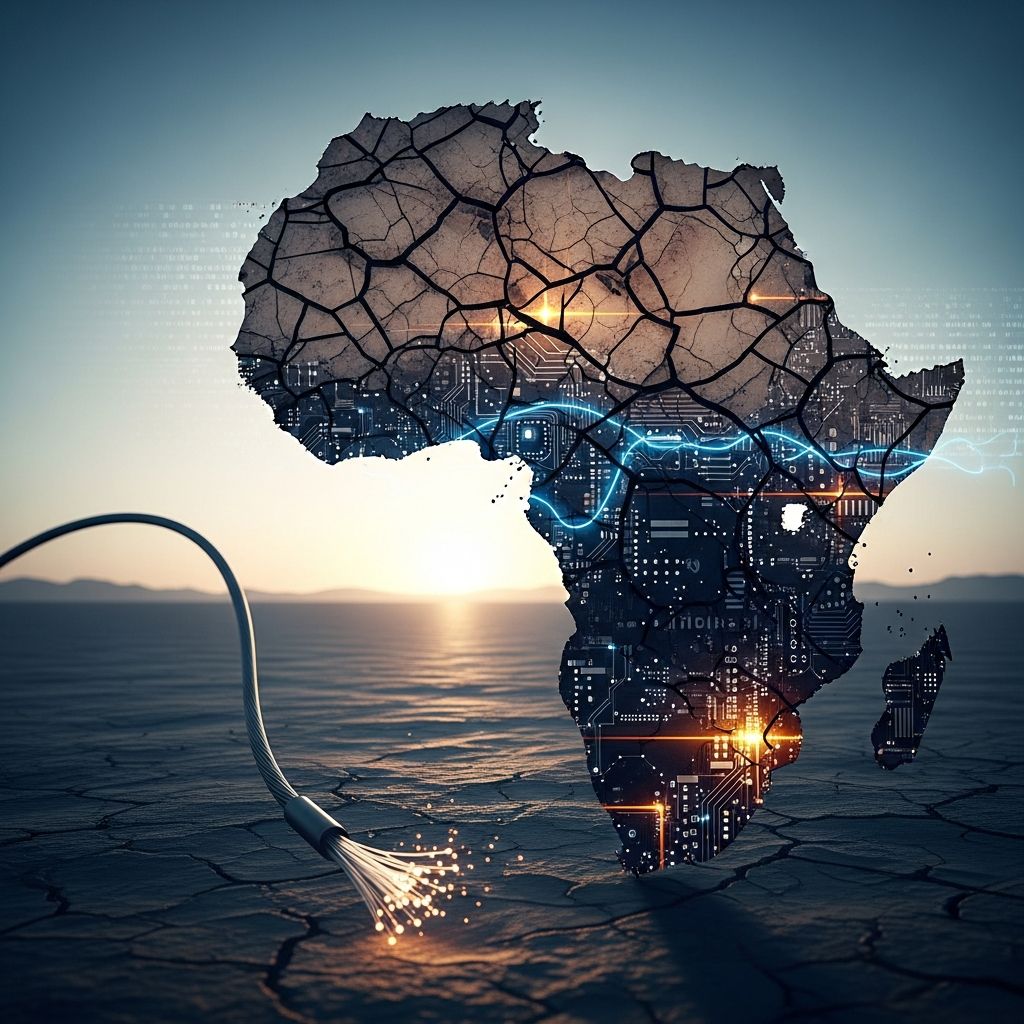
The African continent, a hub of innovation and youthful energy, faces a growing threat from deliberate internet disruptions. In 2025, governments imposed at least 30 shutdowns across 15 countries, marking a sharp escalation in digital repression. These blackouts, often triggered by protests or elections, don’t just silence voices—they cripple economies, erode trust, and widen inequalities. This article delves into the scale of the problem, its devastating ripple effects, real-world examples, and viable strategies to combat it.
The Alarming Surge in Digital Disruptions
Internet shutdowns have evolved from rare emergencies to routine tools of control. According to reports from advocacy groups, Africa saw 30 such incidents in 2025, up from previous years, with no single day passing without at least one blackout somewhere on the continent globally. Protests fueled 14 of these in eight countries, while elections prompted eight more in four nations. This trend reflects a broader global pattern, but Africa’s unique vulnerabilities—rapid digital adoption amid fragile governance—amplify the damage.
- Frequency Increase: From 21 shutdowns in 15 countries in 2024 to 36 in 15 countries in 2025 per some tallies, showing unchecked escalation.
- Geographic Spread: No region spared, from East Africa’s Tanzania to Central Africa’s DRC and West Africa’s Senegal.
- Duration and Scope: Some lasted days or weeks, affecting entire cities or nations, blocking not just social media but all connectivity.
These actions contradict international commitments to open internet access, as enshrined in UN resolutions and African Union declarations on digital rights.
Economic Devastation: Billions Lost in the Dark
The financial toll is staggering. Shutdowns in sub-Saharan Africa alone cost over $1.6 billion in 2024, with 2025 figures likely higher amid prolonged outages. High-potential sectors like fintech, e-commerce, and mobile money grind to a halt. In a continent where 70% of transactions are digital, even brief blackouts unravel supply chains and deter investors.
| Sector | Impact Example | Estimated Loss |
|---|---|---|
| E-commerce | Orders frozen; inventory mismanaged | Millions per day |
| Mobile Money | Payments offline; banks unreachable | $100M+ regionally |
| SMEs | Operations stalled; trust eroded | Long-term investment flight |
| Logistics | Cross-border delays | Supply chain breakdowns |
Beyond immediate losses, shutdowns create ‘hidden costs’: investor hesitation due to regulatory uncertainty, slowed digitalization, and deepened poverty. Youth entrepreneurs and rural businesses suffer most, as inconsistent access locks them out of global markets.
Human Rights Under Siege: Silencing Dissent
Shutdowns aren’t technical glitches—they’re deliberate power plays. By cutting social media and news flows, authorities suppress protests, hide abuses, and manipulate narratives. In conflict zones like DRC’s Goma, blackouts during humanitarian crises isolated aid efforts. Tanzania’s eight shutdowns in 2025, including election-period cuts, coincided with crackdowns on demonstrators.
This tactic stifles free expression, a right protected under Article 19 of the International Covenant on Civil and Political Rights. It also disrupts education, healthcare, and emergency services, disproportionately harming women, youth, and marginalized groups who rely on digital tools for empowerment.
Spotlight on Repeat Offenders and Key Cases
- Tanzania: Eight blackouts, two during October 2025 elections. Courts later ruled against such measures, citing economic and social harms like disrupted banking.
- DRC: Prolonged Goma shutdown amid crisis, reneging on access promises.
- Equatorial Guinea: Annobón island fully isolated, severing global ties.
- Uganda: Fifth year of Facebook blocks, limiting civic discourse.
- Chad: Starlink cut in Sudanese refugee camps, hindering aid.
- Senegal: 2023 protest shutdown deemed illegal by ECOWAS court in 2025.
These cases illustrate a pattern: shutdowns during high-stakes moments like elections or unrest, often without judicial oversight.
Long-Term Fallout: Trust, Inequality, and Stunted Growth
Repeated blackouts breed skepticism toward digital infrastructure. Citizens question service reliability, slowing adoption of e-health, online learning, and banking. Investors flee to stable markets, starving Africa’s tech hubs like Nairobi of capital. Inequality surges as urban elites with alternatives thrive, while rural and low-income users fall further behind—a ‘digital poverty trap’.
Moreover, these measures undermine democracy. By blackout news of state violence or opposition rallies, governments entrench power, eroding electoral integrity and public faith.
Legal Wins and the Path to Resistance
Hope flickers in judicial pushback. In 2025, the East African Court of Justice challenged Tanzania’s election blackout, while ECOWAS invalidated Senegal’s. These rulings affirm internet access as a modern essential, akin to electricity or water.
Civil society, via coalitions like #KeepItOn, documents abuses and mobilizes globally, pressuring for change.
Roadmap for a Connected Future
Ending this crisis demands multifaceted action:
- Legal Reforms: Ban arbitrary shutdowns; require court approval and proportionality tests.
- Transparent Protocols: Define narrow emergency uses, with public notifications.
- Multistakeholder Forums: Include tech firms, NGOs, and citizens in policy-making.
- Infrastructure Boost: Build resilient networks, satellite backups like Starlink, and decentralized access.
- International Pressure: Tie aid and partnerships to connectivity commitments.
Governments must recognize: true security flows from open dialogue, not digital iron curtains. Investing in rights-respecting digital ecosystems will unlock Africa’s demographic dividend.
FAQs: Understanding Internet Shutdowns in Africa
- What triggers most shutdowns?
- Protests (14 in 2025) and elections (8), per Access Now data.
- How much do they cost economically?
- Over $1.6B in sub-Saharan Africa in 2024; 2025 worse.
- Are there successful challenges?
- Yes—courts in Tanzania and Senegal ruled against them.
- What can citizens do?
- Join advocacy, use VPNs, demand transparency via petitions.
- Will shutdowns continue?
- Likely without reforms, amid rising elections and unrest.
In conclusion, Africa’s internet blackouts are a self-inflicted wound on its brightest prospects. By prioritizing connectivity, leaders can foster inclusive growth and resilient societies. The momentum from court victories offers a blueprint—now is the time to act.
References
- Rising repression meets global resistance: Internet shutdowns in 2025 — Access Now and #KeepItOn coalition. 2026-03-31. https://www.accessnow.org/press-release/resilience-and-resistance-internet-shutdowns-in-africa-in-2025/
- How internet shutdowns drain African economies — World Economic Forum. 2025-06. https://www.weforum.org/stories/2025/06/how-internet-shutdowns-drain-african-economies/
- Internet Shutdowns Spread in Africa — Africa Defense Forum. 2026-05. https://adf-magazine.com/2026/05/internet-shutdowns-spread-in-africa/
- Offline and silenced: Africa’s quiet rise of internet repression — Institute for Security Studies. 2025. https://issafrica.org/iss-today/offline-and-silenced-africa-s-quiet-rise-of-internet-repression
- Internet Shutdowns in Africa: Technology, Rights and Power — Bloomsbury Academic (Open Access via OAPEN). 2024. https://library.oapen.org/handle/20.500.12657/112372
Similar Articles








Read full bio of Sneha Tete