Advancing India’s Internet Infrastructure Through Collaborative Networking
Industry leaders unite to strengthen India's digital connectivity ecosystem
The Importance of Regional Network Operator Coalitions
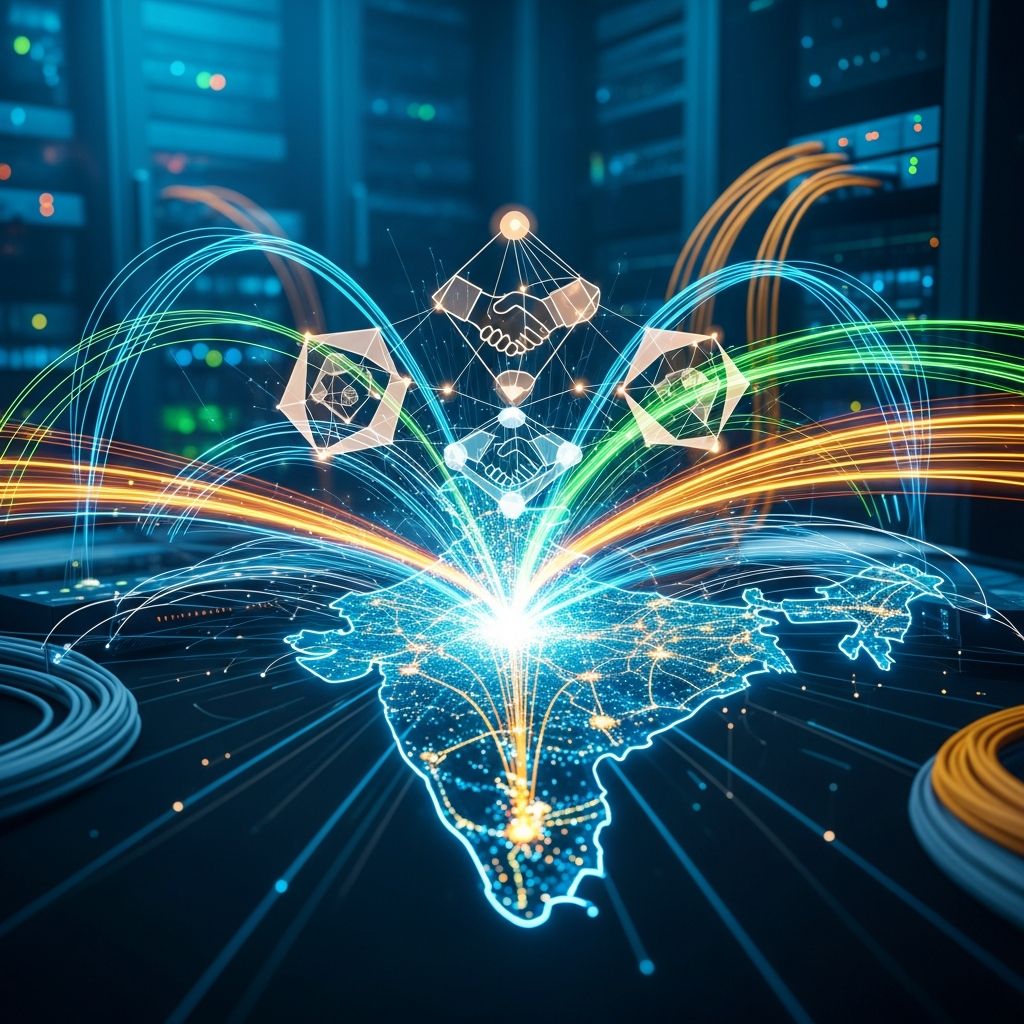
The digital transformation of nations depends significantly on the strength and efficiency of underlying internet infrastructure. For emerging economies like India, where internet penetration continues to expand rapidly, the coordination among network operators becomes increasingly vital. These operators serve as the backbone of connectivity, managing the complex systems that enable millions of users to access digital services daily. When these operators come together in organized forums, they create opportunities to share best practices, discuss common challenges, and work toward standardized solutions that benefit the entire ecosystem.
Industry coalitions focused on network operations provide a structured environment for knowledge exchange. Such gatherings bring together technical experts, strategic planners, and decision-makers from both established telecommunications providers and emerging network companies. The collaborative environment fosters innovation while addressing practical concerns that operators face when maintaining and expanding network infrastructure across diverse geographic and demographic regions.
Key Objectives of Industry Gatherings for Network Professionals
When network operators gather for professional conferences and workshops, they typically pursue several interconnected objectives. These meetings serve as platforms where participants can examine current technological trends, discuss regulatory developments, and identify opportunities for cooperation on infrastructure projects.
- Knowledge Dissemination: Presenters share insights on emerging technologies, operational best practices, and case studies demonstrating successful implementations
- Regulatory Dialogue: Operators engage with policymakers to understand regulatory frameworks and provide industry perspective on compliance challenges
- Network Interoperability: Technical specialists collaborate on ensuring seamless communication between different network systems and providers
- Capacity Building: Workshops focus on training participants in new technologies and management methodologies
- Problem Solving: Operators collectively address infrastructure challenges affecting service delivery across regions
Workshop-Focused Learning Models in Technology Events
Modern technology conferences increasingly emphasize hands-on workshop sessions alongside traditional presentations. This dual-format approach recognizes that participants bring varying levels of expertise and have diverse learning preferences. Workshops allow for deeper exploration of specific topics, enabling technical teams to engage in interactive sessions where they can ask questions, troubleshoot issues, and practice new techniques in controlled environments.
For network operators, specialized workshops address critical areas such as network security, infrastructure optimization, emerging telecommunications standards, and customer service innovations. These sessions typically feature facilitators with extensive field experience who can provide practical guidance beyond theoretical knowledge. Participants benefit from real-world examples and can immediately apply learnings to their own operational contexts.
Building Bridges Between Domestic and International Expertise
India’s network infrastructure landscape includes both well-established operators with decades of experience and newer entrants bringing innovative approaches. International participation in local industry forums creates invaluable opportunities for cross-border knowledge transfer. When network professionals from different countries share their experiences, they expose Indian operators to global best practices while bringing international attention to India-specific innovations and solutions.
This exchange mechanism proves particularly beneficial in addressing infrastructure challenges that transcend national boundaries. Issues related to submarine cable routing, international peering points, and cross-border data governance benefit from multinational perspectives. International operators attending Indian industry events often gain insights into emerging market dynamics and growth opportunities, fostering long-term partnerships and collaborative infrastructure projects.
Emerging Technologies Shaping Network Operations Today
Contemporary network operators face the challenge of deploying and maintaining infrastructure capable of supporting rapidly evolving technologies. Discussion topics at professional gatherings typically encompass several critical areas:
- 5G Deployment: Operators discuss spectrum allocation, infrastructure requirements, and rollout strategies for next-generation mobile networks
- Network Virtualization: Software-defined networking and network function virtualization enable more flexible and efficient infrastructure management
- Edge Computing: Distributed computing architectures reduce latency and improve performance for latency-sensitive applications
- Internet of Things: Managing connectivity for millions of IoT devices requires rethinking network architecture and resource allocation
- Cybersecurity Measures: Operators must implement robust security frameworks to protect infrastructure from increasingly sophisticated threats
The Role of Industry Forums in Policy Development
Network operator associations and conference organizers play an important role in shaping telecommunications policy. When government representatives participate in industry forums, they gain direct understanding of operational challenges that frontline network managers encounter. This dialogue helps inform policy decisions that balance innovation with public interest protection.
Indian policymakers benefit from hearing operator perspectives on issues such as spectrum pricing, infrastructure sharing regulations, and interconnection standards. Similarly, operators gain clarity on regulatory expectations and planned policy directions, allowing them to adjust strategic plans accordingly. This two-way communication channel, facilitated by professional forums, contributes to more informed policy development.
Addressing Infrastructure Challenges in Diverse Geographic Contexts
India’s geography presents unique infrastructure challenges. Urban areas require dense network capacity to support high user concentrations, while rural and remote regions demand cost-effective solutions to extend connectivity to underserved populations. Professional forums dedicated to network operations provide spaces where operators share strategies for addressing these varied requirements.
Operators working in different regions encounter distinct environmental conditions, regulatory contexts, and user demographics. By sharing experiences with these varied challenges, network professionals can identify solutions that might work across multiple contexts. For instance, operators managing networks in mountainous terrain can exchange strategies with colleagues working in coastal or plains regions, learning how different environmental factors affect infrastructure planning and maintenance.
Capacity Building and Professional Development Initiatives
Technical competency among network operators directly impacts service quality and infrastructure efficiency. Industry conferences and workshops serve as platforms for continuous professional development. Through training sessions on new technologies, operational methodologies, and management practices, operators enhance their technical capabilities and strategic thinking.
These educational components address knowledge gaps that emerge as technology rapidly evolves. Operators dealing with legacy systems while simultaneously deploying cutting-edge infrastructure need to understand both domains thoroughly. Workshops facilitated by technology vendors and experienced practitioners help bridge these knowledge gaps, ensuring that operations teams maintain competency across diverse systems and technologies.
Fostering Innovation Through Collaborative Problem-Solving
When network operators face similar challenges, collaborative problem-solving often yields more innovative solutions than isolated efforts. Industry forums create environments where operators can discuss obstacles they encounter and collectively brainstorm approaches. This collaborative innovation benefits the entire ecosystem, as successful solutions developed by one operator can be adapted and adopted by others.
For example, operators struggling with network congestion in specific geographic areas might share technical approaches they’ve implemented to manage traffic more efficiently. Others facing similar issues can learn from these implementations without needing to develop solutions independently. This knowledge-sharing accelerates technological progress across the industry.
International Participation and Global Standards Alignment
India’s network infrastructure increasingly interconnects with global networks. International participants in local industry forums bring knowledge of global standards and best practices relevant to international interconnection. This exposure helps Indian operators align their infrastructure with international standards, facilitating smoother cross-border data flows and international service delivery.
Organizations establishing international standards for telecommunications and internet infrastructure often send representatives to regional conferences to gather feedback from operational professionals. These interactions ensure that emerging standards account for practical implementation considerations that operators encounter in diverse geographic and regulatory contexts.
Creating Pathways for Emerging Companies
Industry gatherings attract not only established operators but also emerging companies introducing innovations in network management and infrastructure deployment. These forums provide platforms where newer entrants can showcase their technologies and services to potential customers and partners. For established operators, exposure to innovative startups creates opportunities to incorporate new solutions into their operations.
Workshops specifically designed for emerging professionals and smaller companies provide capacity-building opportunities and networking connections that help newer market entrants understand industry standards and connect with potential collaborators or investors.
Measuring Success and Impact of Industry Collaborations
The value of network operator forums can be measured through several indicators. Participants report improved understanding of industry trends, enhanced technical capabilities, and expanded professional networks. Longer-term impacts include infrastructure improvements implemented based on insights gained, increased operational efficiency resulting from shared best practices, and accelerated technology adoption across the industry.
The broad participation in these forums—including hundreds of operators, technology vendors, and government representatives—demonstrates the recognized value of collaborative platforms. The continuation of such gatherings year after year indicates sustained industry commitment to collaborative advancement.
Future Directions for Network Infrastructure Development
As India’s digital economy continues expanding, network infrastructure requirements will intensify. Future industry forums will likely focus increasingly on capacity planning for anticipated growth, integration of emerging technologies like artificial intelligence in network management, and sustainability considerations in infrastructure deployment. The collaborative forums that establish strong foundations today will be better positioned to address these evolving challenges collectively.
The continued evolution of network operator forums reflects the dynamic nature of the telecommunications industry. These platforms will adapt to address emerging challenges while maintaining their core mission of fostering collaboration, knowledge sharing, and coordinated advancement of India’s digital infrastructure.
References
- The Internet Society — Internet Society. 2019. https://www.internetsociety.org
- Indian Network Operators Group (INNOG) — INNOG Community. https://innog.net
- GSMA Intelligence: India’s Telecom Sector Overview — GSMA. 2024. https://www.gsma.com
- India Telecommunication Statistics Report — Telecom Regulatory Authority of India (TRAI). 2024. https://www.trai.gov.in
- ITU-T Recommendations on Telecommunication Standards — International Telecommunication Union. https://www.itu.int
Similar Articles






Read full bio of Sneha Tete