Inaugural Hackathon at Africa Internet Summit
Discover how ISOC and AFRINIC's pioneering hackathon empowers African developers to innovate with open Internet standards at AIS.
The digital landscape in Africa is evolving rapidly, with increasing demands for robust, inclusive Internet infrastructure. A landmark initiative in this transformation was the launch of the first Hackathon at the Africa Internet Summit (AIS), spearheaded by the Internet Society (ISOC) and the African Network Information Centre (AFRINIC). This event marked a pivotal moment for fostering technical talent and promoting open standards across the continent.
Origins and Collaborative Vision
The partnership between ISOC and AFRINIC emerged from a shared commitment to strengthening Africa’s Internet ecosystem. ISOC, a global organization dedicated to ensuring the open development and evolution of the Internet, joined forces with AFRINIC, the regional Internet registry responsible for IP address allocation in Africa and parts of the Indian Ocean. Their goal was to create a platform where engineers, developers, and students could engage directly with Internet standards development.
This inaugural hackathon was designed to bridge the gap between theoretical knowledge and practical application. By hosting it alongside the prestigious Africa Internet Summit, organizers aimed to leverage the summit’s gathering of ICT leaders, policymakers, and innovators. The event underscored the importance of hands-on learning in areas like network protocols, security, and scalability—critical for Africa’s growing digital economy.
Event Details and Participation
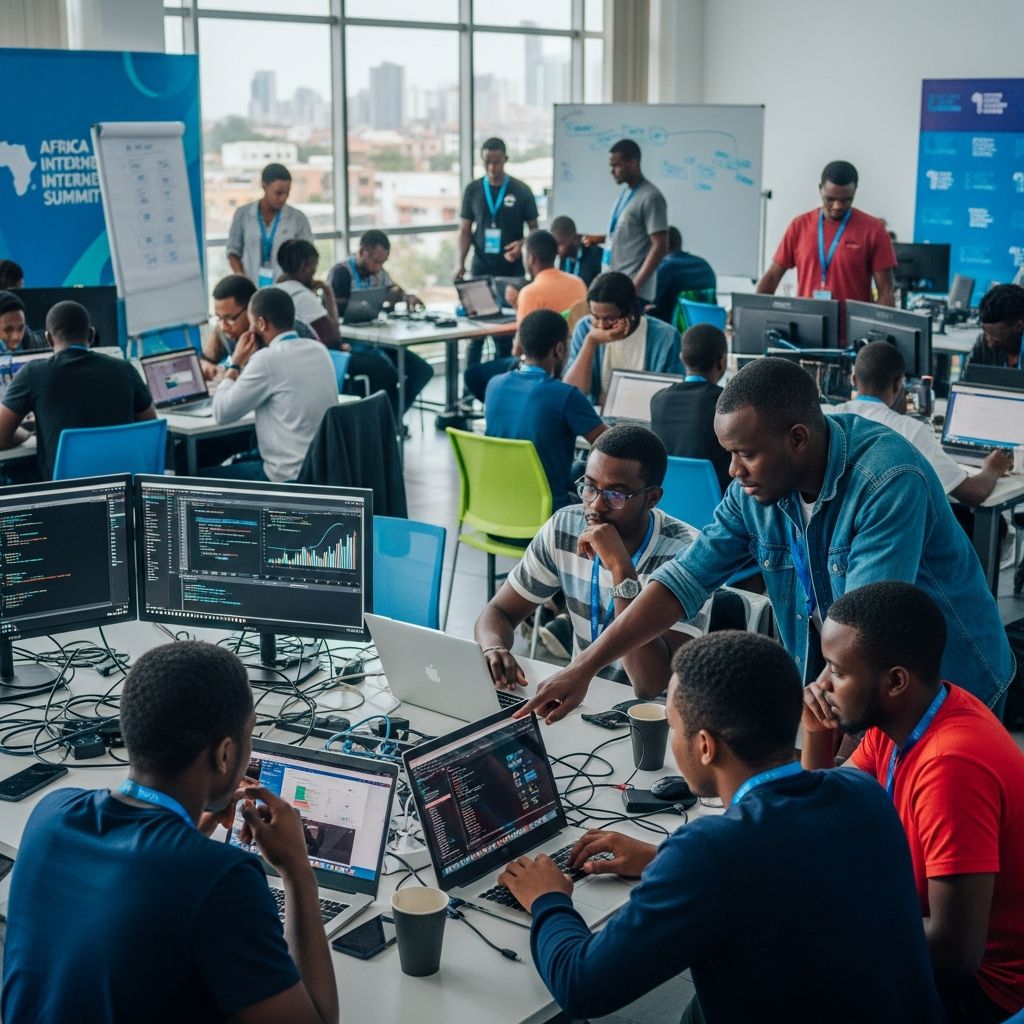
Held in a vibrant African host city, the hackathon drew participants from diverse backgrounds across the region. Attendees included university students, early-career professionals, and seasoned network engineers eager to tackle real-world challenges. Selection was competitive, with applicants demonstrating passion for Internet technologies and a willingness to collaborate.
Over two intensive days, teams worked on projects aligned with pressing regional needs. Mentors from ISOC, AFRINIC, and industry experts provided guidance, ensuring participants gained insights into standards bodies like the Internet Engineering Task Force (IETF). The format encouraged rapid prototyping, peer feedback, and presentations, culminating in demos that showcased innovative solutions.
- Team Formation: Diverse groups of 4-6 participants per team to promote cross-cultural collaboration.
- Mentorship: One-on-one sessions with global Internet pioneers.
- Resources: Access to development kits, cloud credits, and documentation from official standards organizations.
Core Themes and Innovations
The hackathon focused on themes relevant to Africa’s unique connectivity challenges. Participants explored topics such as IPv6 deployment, network measurement tools, and privacy-enhancing technologies. One standout area was the development of tools for improving Internet routing efficiency, addressing issues like high latency in rural areas.
Projects emphasized open-source principles, ensuring outputs could be adopted by Network Operators Groups (NOGs) and local ISPs. For instance, teams built prototypes for monitoring tools that detect anomalies in real-time, vital for maintaining service reliability amid variable infrastructure.
| Theme | Description | Potential Impact |
|---|---|---|
| IPv6 Transition | Tools to ease migration from IPv4 | Expands address space for millions of new users |
| Network Telemetry | Real-time data collection systems | Enhances troubleshooting and optimization |
| Security Protocols | Lightweight encryption for IoT | Secures emerging smart devices in underserved areas |
Outcomes and Lasting Influence
The event produced tangible results, with several projects advancing to pilot implementations. Winning teams received recognition, travel support for future events, and opportunities to contribute to IETF working groups. Beyond immediate outputs, the hackathon sparked a wave of interest in standards development, leading to increased African participation in global forums.
Feedback from participants highlighted skill gains in areas like protocol design and collaborative coding. Many reported newfound confidence in contributing to open-source repositories, a key step toward sustainable tech ecosystems.
Evolution into a Regional Tradition
Building on this success, the hackathon became a staple of subsequent AIS editions. Later iterations expanded to include themes like vehicular communications and programmable networks, attracting participants from over a dozen countries. By 2018, events in Dakar, Senegal, featured refined formats with pre-hackathon workshops.
AFRINIC’s official announcements noted applications opening for these expanded events, emphasizing commitment to the full two-day schedule. This continuity has cultivated a new generation of African Internet experts, contributing to policy discussions and infrastructure projects.
“This hackathon is more than coding—it’s about empowering Africa’s voice in global Internet governance.” – Inspired by ISOC and AFRINIC leadership statements.
Broader Impact on African Tech Landscape
The initiative aligns with continental goals like the African Union’s Digital Transformation Strategy. By focusing on open standards, it counters proprietary silos, promoting interoperability essential for cross-border services like e-commerce and telemedicine.
Economically, skilled developers drive innovation in fintech, agritech, and education tech. Statistically, Africa’s Internet penetration has surged, but quality remains uneven—hackathons like this address that by building local capacity.
Challenges and Lessons Learned
Organizers faced hurdles like limited bandwidth and visa logistics, yet adaptive planning ensured success. Key lessons included the value of hybrid formats in later years and prioritizing inclusive selection to reach underrepresented groups, such as women in tech.
Future events could integrate AI-driven tools for project ideation, reflecting evolving tech trends while staying true to open standards.
Why Hackathons Matter for Internet Growth
In a continent with over 1.4 billion people, scalable Internet solutions demand local ingenuity. Hackathons accelerate this by compressing months of work into days, fostering entrepreneurship and resilience against global disruptions.
They also demystify standards processes, showing how everyday engineers influence protocols used worldwide.
Getting Involved in Future Events
AIS continues annually, with hackathons open via online applications. Check AFRINIC and ISOC sites for calls, typically closing months prior. Preparation tips: Brush up on RFCs, join local NOGs, and form pre-event teams.
Frequently Asked Questions (FAQs)
What is the Africa Internet Summit?
A premier gathering of African ICT stakeholders discussing policy, technology, and innovation.
Who can participate in the Hackathon@AIS?
Engineers, students, and developers from Africa committed to two full days.
What skills will I gain?
Hands-on experience with Internet standards, coding, and collaborative problem-solving.
Are projects open-source?
Yes, emphasizing community-driven development for maximum impact.
How has the hackathon evolved?
From inaugural event to annual tradition with broader themes and international reach.
References
- Application for the Hackathon@AIS is now open — AFRINIC. 2018-03-29. https://afrinic.net/2018-03-29-application-for-the-hackathon-ais-is-now-open
- Hackathon at Africa Internet Summit focuses on time vehicular communications — Internet Society. 2018-05. https://www.internetsociety.org/fr/blog/2018/05/hackathon-at-africa-internet-summit-focuses-on-time-vehicular-communications-and-network-programmability/
- Africa Internet Summit 2026 — AFRINIC and AfNOG. 2026. https://internetsummit.africa
- Hackathon tag page — AFRINIC. N/D. https://afrinic.net/component/tags/tag/hackathon
- AIS official site — Internet Summit Africa. 2021. https://www.internetsummitafrica.org
Similar Articles







Read full bio of Sneha Tete