IETF Speaks Spanish: Global Standards Go Local
Discover how the Internet Engineering Task Force is embracing Spanish-speaking communities, paving the way for broader global participation in shaping Internet standards.
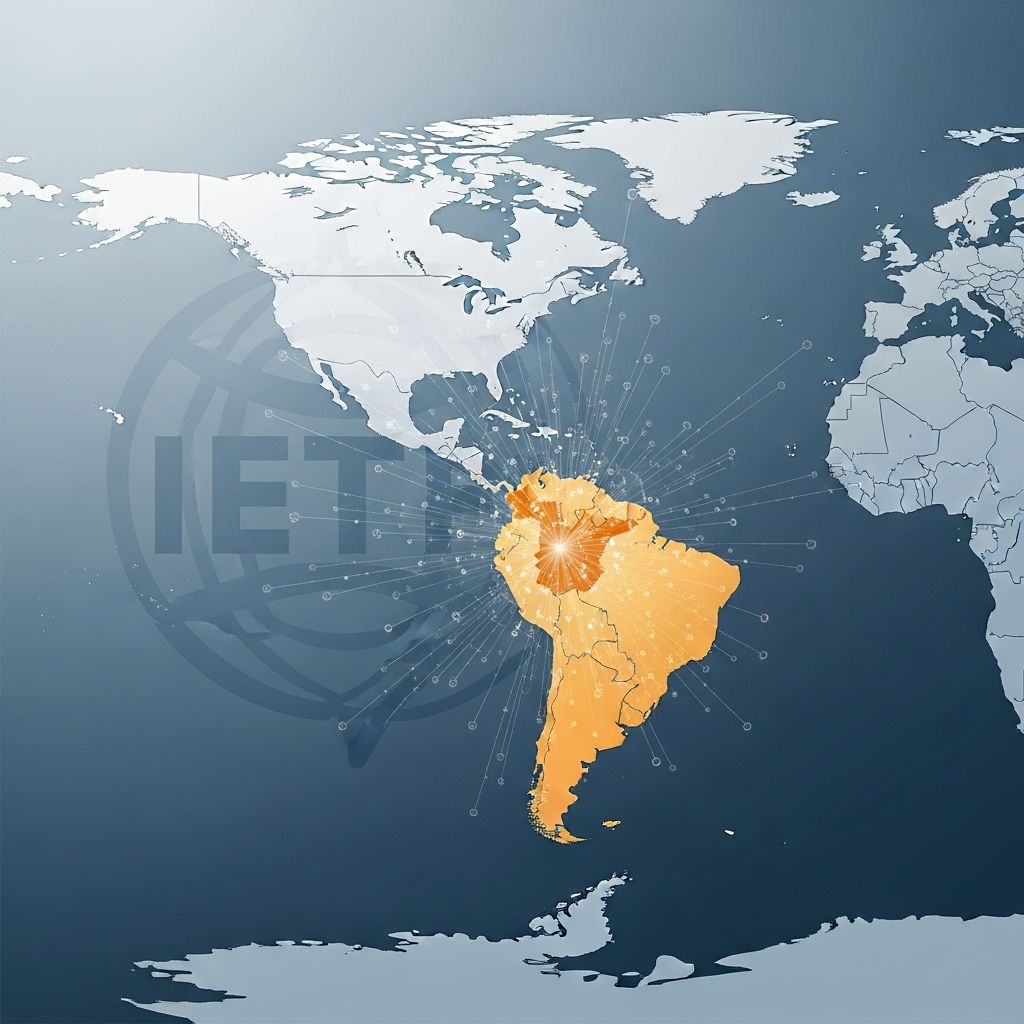
The Internet Engineering Task Force (IETF) has long been the backbone of Internet innovation, crafting the technical standards that keep our digital world connected. Traditionally dominated by English-speaking participants, the IETF is now breaking linguistic barriers with Spanish-language resources and events. This shift not only democratizes access to standard-setting but also amplifies voices from Spanish-speaking regions, fostering a more inclusive Internet ecosystem.
The Essence of the IETF: Building Internet’s Foundation
At its core, the IETF is an open community of engineers, developers, researchers, and operators dedicated to evolving Internet protocols. Unlike closed-door organizations, it welcomes anyone with technical expertise and a passion for open standards. These standards, published as Requests for Comments (RFCs), define everything from how data packets travel across networks to securing communications with protocols like TLS.
Participation is straightforward and merit-based. No formal membership is required; contributors join mailing lists for specific working groups focused on areas like routing, security, or transport. Discussions happen primarily via email, with decisions driven by technical consensus rather than votes. This bottom-up approach ensures robust, practical solutions that gain voluntary adoption worldwide.
Breaking Language Barriers: Spanish Resources Emerge
Recognizing the global nature of the Internet, the IETF has invested in multilingual outreach. Key documents like the ‘Tao of the IETF’—a guide to its culture and processes—are now available in Spanish, alongside English, French, German, Japanese, and Portuguese. This accessibility lowers entry barriers for non-English speakers, particularly in Latin America and Spain, where millions of engineers could contribute fresh perspectives.
Spanish editions of introductory materials explain concepts like working group charters, RFC publication processes, and remote participation tools. For newcomers, these resources demystify how to subscribe to lists, review drafts, and propose changes, making the IETF feel less intimidating.
Historic Milestone: IETF Lands in Latin America
A pivotal moment came with IETF 95 in Buenos Aires, Argentina, from April 3-8, 2017—the first IETF meeting in Latin America. Hosting over 1,000 attendees, it showcased regional talent and addressed local challenges like IPv6 deployment and network resilience in emerging markets.
Prior to the event, the Spanish IETF Journal highlighted insights from IETF 93 in Prague. Topics included HTTP/2 advancements for faster web performance, QUIC protocol for low-latency connections, and efforts to enhance DNS security against attacks. These previews built excitement and educated potential local participants.
Working Groups: Engines of Innovation
IETF activity revolves around area-specific working groups, each chartered for targeted problems. Here’s a snapshot:
- ART Area (Applications): Focuses on protocols like HTTP, email (SMTP), and real-time communication (WebRTC).
- RTG Area (Routing): Develops BGP enhancements and path computation for efficient traffic routing.
- SEC Area (Security): Tackles encryption standards, including post-quantum cryptography preparations.
- TSV Area (Transport): Innovates on congestion control and QUIC for modern applications.
Groups dissolve once objectives are met, keeping efforts agile. Recent drafts from Prague emphasized measurable progress toward RFCs.
How to Dive In: A Step-by-Step Guide
Getting involved is easier than ever, especially with Spanish support:
- Visit ietf.org: Browse working groups by area and read charters.
- Subscribe to Mailing Lists: Lurk first to grasp norms, then contribute ideas.
- Attend Meetings: Join in-person (three yearly) or remotely via Meetecho tools with audio, video, and chat.
- Apply for Fellowships: Internet Society offers Latin American scholarships covering travel and fees.
All work occurs in English for global consistency, but Spanish resources aid preparation. Contributions are judged on technical merit, regardless of affiliation.
Impact of Spanish Outreach on Global Internet
This linguistic expansion addresses underrepresentation. Latin America, with 650 million people and growing Internet penetration, brings unique insights on mobile-first networks, affordability, and regulatory hurdles. Spanish-speaking participants have influenced IPv6 adoption, crucial as IPv4 addresses dwindle.
Broader participation strengthens standards. Diverse viewpoints prevent biases, ensuring protocols work across cultures, economies, and infrastructures.
From Prague to Buenos Aires: Key Highlights
| Topic | Focus | Outcome |
|---|---|---|
| HTTP/2 | Header compression, multiplexing | Advanced to Proposed Standard |
| QUIC | UDP-based transport for HTTP/3 | Multiple drafts progressed |
| DNS Privacy | Encrypted queries (DoH, DoT) | Working group rechartered |
| IPv6 | Transition mechanisms | Regional deployment strategies |
These advancements directly impact daily Internet use, from quicker page loads to safer browsing.
Challenges and the Road Ahead
Despite progress, hurdles remain: English proficiency, travel costs, and time zones. Remote tools mitigate some issues, but in-person collaboration sparks breakthroughs. Future meetings in diverse locales, like potential returns to Latin America, will sustain momentum.
The IETF’s plurilingual strategy signals commitment to inclusivity, vital as Internet users exceed 5 billion.
FAQs: Your IETF Questions Answered
What exactly does IETF stand for?
Internet Engineering Task Force—a volunteer-driven body creating open Internet standards.
Can non-experts participate?
Yes! Start by reading docs and lists; technical contributions welcome from all.
Are IETF standards mandatory?
No, adoption is voluntary, but their practicality drives universal use.
How do Spanish resources help?
They translate guides and journals, easing entry for Hispanic communities.
What’s next after Buenos Aires?
Ongoing virtual meetings and fellowships expand global reach.
Embracing Spanish marks a new era for the IETF, ensuring the Internet’s standards reflect humanity’s diversity. Whether you’re a network engineer in Mexico City or a developer in Madrid, your voice can shape tomorrow’s web.
References
- About the IETF — Internet Engineering Task Force. 2023-11-15. https://www.ietf.org/about/
- Tao of the IETF (Spanish Edition) — Internet Engineering Task Force. 2022-05-10. https://www.ietf.org/tao/tao-spanish.html
- IETF 95 Meeting Report — Internet Society. 2017-04-15. https://www.internetsociety.org/blog/2017/04/ietf-95-argentina/
- IETF Working Groups Overview — Internet Engineering Task Force. 2026-01-20. https://datatracker.ietf.org/wg/
- Internet Society Latin America Fellowships — Internet Society. 2025-09-01. https://www.internetsociety.org/isf/
Similar Articles








Read full bio of medha deb