Understanding the IETF’s Role in Internet Governance
Exploring how the IETF shapes the technical backbone of global connectivity
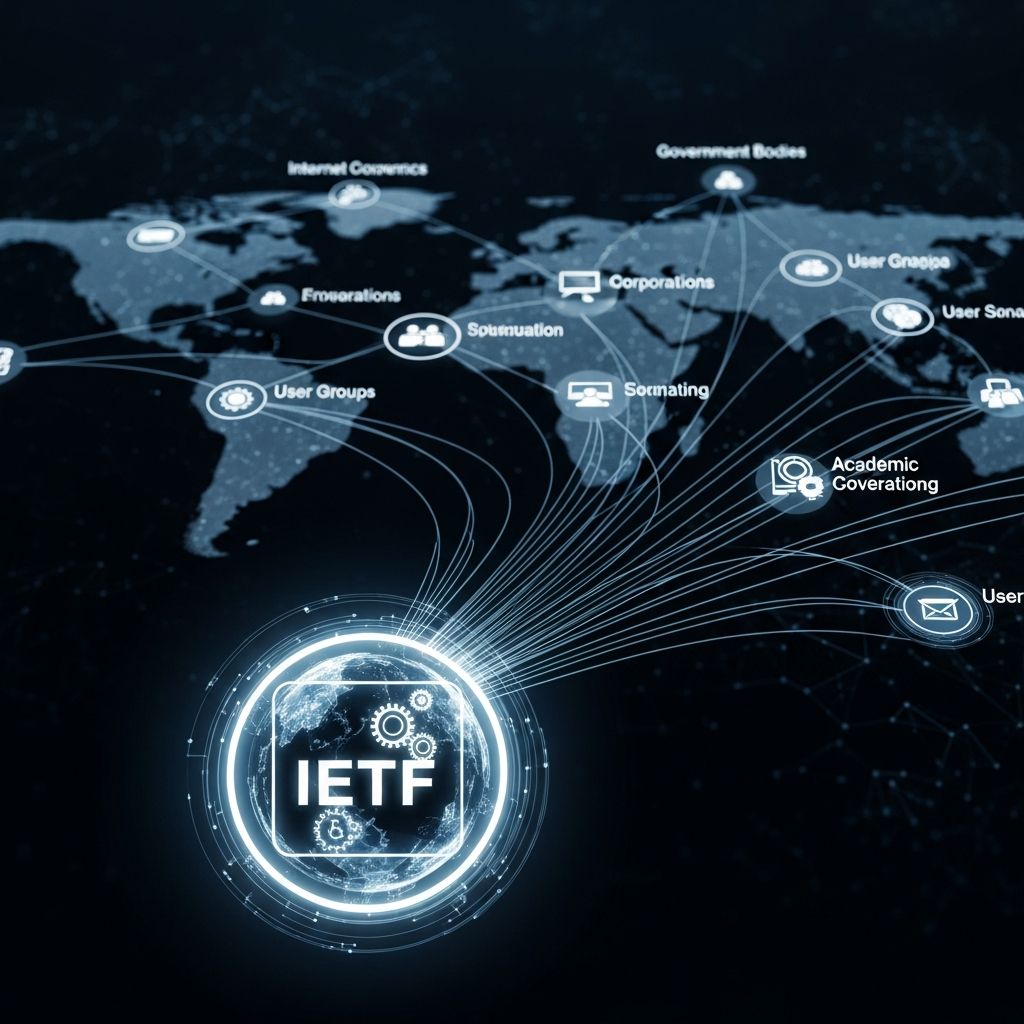
The Internet Engineering Task Force (IETF) operates as a pivotal institution in the technical landscape of global connectivity. While many internet users remain unaware of its existence, this organization’s decisions directly influence how data moves across networks, how secure connections are established, and how new technologies integrate into the existing internet infrastructure. Understanding the IETF’s operations, mission, and methodologies provides valuable insight into the mechanisms that maintain and advance internet functionality.
The Foundation and Evolution of Internet Standards Development
Since its inception in 1986, the IETF has functioned as an open forum for technical professionals dedicated to improving internet architecture and protocol design. Initially established as a coordination mechanism for contractors working on DARPANET and related defense projects, the organization evolved into a truly international community encompassing network designers, system operators, equipment vendors, and academic researchers. The transition from government-sponsored initiative to community-driven standards body marked a significant shift in how internet governance operates.
The IETF’s unique structure relies entirely on voluntary participation. Unlike formal membership organizations with enrollment requirements and dues, the IETF accepts contributions from any individual with genuine interest in improving internet standards. This open-door approach has fostered a culture of collaborative technical development where merit-based arguments drive decision-making rather than commercial or political pressures.
How Working Groups Shape Internet Technologies
At the heart of the IETF’s operations lie specialized working groups focused on specific technical domains. These groups tackle distinct problems such as routing protocols, security mechanisms, transport layer innovations, and application-level standards. Within each working group, technical experts engage in lengthy discussions, conduct experiments, and debate proposed solutions to identified problems.
The working group structure creates natural checkpoints for technical rigor. Members must defend their proposals through peer review and critical analysis. Consensus—or documented disagreement—emerges through this iterative process. Once a working group concludes that a solution has achieved sufficient maturity and broad agreement, the proposal advances toward formal standardization.
The Standardization Journey: From Draft to RFC
Internet Drafts represent the initial stage of proposal development. These preliminary documents capture ideas, specifications, and technical approaches before they undergo rigorous evaluation. It is crucial to understand that Internet Drafts are not authoritative standards; they represent work-in-progress contributions that may contain errors, incomplete analysis, or ideas that ultimately fail to gain acceptance.
The progression from draft status to Request for Comments (RFC) publication involves multiple layers of scrutiny. Documents must demonstrate technical soundness, address identified concerns, and achieve working group consensus. The Internet Engineering Steering Group (IESG) reviews documents before RFC publication, ensuring they meet minimum quality standards and don’t conflict with existing standards.
RFCs that achieve the “Standards Track” designation become formal internet standards. These documents guide implementation across the global internet, from major technology companies to small service providers. The RFC format itself has remained relatively consistent since its introduction, creating a durable reference system that enables precise technical communication across different eras of internet development.
Key Areas of Current Technical Focus
Security and Encryption Standards
Security protocols represent a critical focus area for IETF working groups. Transport Layer Security (TLS) standards ensure that sensitive communications remain confidential and authenticated. The IETF’s security community has grappled with evolving threats, including pervasive monitoring concerns that motivated enhanced privacy protections in recent protocol versions.
Post-quantum cryptography has emerged as an important research domain. As quantum computing capabilities advance, traditional encryption methods face potential vulnerability. IETF working groups are standardizing hybrid approaches that combine established elliptic curve cryptography with emerging quantum-resistant algorithms, ensuring a gradual transition that maintains security during the transition period.
Protocol Innovation and Interoperability
The IETF continues developing new protocols to address emerging requirements. QUIC, for example, represents a fundamental reimagining of transport layer functionality, offering improved latency and connection mobility compared to traditional TCP. OAUTH and related authentication frameworks have become increasingly important as web applications proliferate and security requirements grow more sophisticated.
Each new protocol must achieve equilibrium between innovation and backward compatibility. The IETF recognizes that wholesale replacement of existing technologies disrupts global internet operations. Therefore, standardization efforts emphasize gradual migration pathways and coexistence mechanisms that allow new and legacy systems to operate together during transition periods.
The Decision-Making Process and Consensus Building
The IETF’s consensus-driven methodology distinguishes it from hierarchical standardization bodies. Rather than voting on proposals, the organization seeks rough consensus and running code. This approach emphasizes that technical proposals must demonstrate practical viability, not merely theoretical soundness.
Consensus does not require unanimous agreement. Instead, it means that participants have had adequate opportunity to present concerns, and the working group has seriously considered those concerns. If disagreement persists, the IETF documents the competing viewpoints and allows standards to advance despite minority objection, provided the majority finds the proposal acceptable.
This methodology reflects the technical community’s values: pragmatism, evidence-based decision-making, and respect for dissenting technical arguments. A participant with superior technical analysis can sway consensus even without formal authority or organizational position. This merit-based culture has been instrumental in creating standards that gain broad implementation acceptance.
Meeting Structure and Community Engagement
IETF plenaries occur three times annually, bringing thousands of participants to in-person meetings. These gatherings accelerate decision-making through intensive working sessions, informal discussions, and hallway conversations that often prove as valuable as formal presentations. Remote participation options enable broader community engagement beyond those able to travel.
Between physical meetings, working groups maintain momentum through mailing lists and interim virtual sessions. This distributed model accommodates the global nature of internet development. Participants contribute from diverse geographic regions and time zones, creating an environment where expertise matters more than geographic convenience.
Addressing Implementation and Deployment Challenges
Standards exist to guide implementation, but real-world deployment introduces complexities that laboratory specifications cannot fully anticipate. IETF working groups increasingly engage with operators running production networks to understand deployment constraints and practical concerns.
This feedback loop has become essential as internet technology grows more sophisticated. A theoretically elegant protocol that proves incompatible with widespread network infrastructure generates limited value. The IETF has evolved to incorporate operational expertise alongside pure research contributions, creating standards that balance theoretical correctness with practical deployability.
The Influence of Commercial and Governmental Interests
Despite its open and volunteer-driven nature, the IETF operates within a context where commercial technology companies and government agencies maintain significant interests. Many IETF participants are employed by major technology corporations whose products depend on standardized protocols. Some working groups address topics of direct strategic importance to companies with substantial market stakes.
The organization has developed governance practices intended to prevent any single interest from dominating standardization outcomes. Transparency requirements, documented disagreements, and appeal processes provide mechanisms to challenge decisions perceived as biased. However, the influence of well-funded organizations on standardization direction remains an ongoing topic of discussion within the internet governance community.
Technical Documentation and Knowledge Preservation
RFC publication creates a permanent record of technical decisions and rationale. These documents serve multiple purposes: they guide implementation, document design tradeoffs, and preserve institutional knowledge about why particular technical choices were made. This documentation practice has proven invaluable as internet technology evolved across decades.
The centralized RFC repository enables future technical communities to understand the historical development of internet standards. Researchers studying protocol evolution can examine how standards matured, what alternatives were considered and rejected, and what constraints influenced final specifications.
Looking Forward: Emerging Standardization Needs
The IETF continues adapting to address new requirements emerging from evolving internet usage patterns. Internet of Things (IoT) applications require lightweight protocols suitable for resource-constrained devices. Service function chaining and network slicing demand sophisticated routing and traffic management standards. Artificial intelligence integration into network infrastructure presents novel challenges requiring standardized approaches.
Each emerging technology area generates proposals for new working groups and standards initiatives. The organization’s capacity to accommodate innovation while maintaining stability will determine its continued relevance as internet technology becomes increasingly complex and specialized.
Understanding Standards as Living Documents
Internet standards are not static monuments but living documents subject to revision as technology evolves. The IETF maintains obsolescence tracking, allowing standards to be superseded or deprecated as better approaches emerge. This dynamic approach ensures that the standardization process produces guidance relevant to contemporary technical conditions rather than perpetuating outdated specifications.
The distinction between standards track documents and informational RFCs reflects recognition that not all useful technical knowledge should carry standards designation. Informational documents can capture valuable insights, experimental approaches, or implementation guidance without requiring the same rigor demanded of normative standards.
The Broader Ecosystem of Internet Governance
The IETF functions within a larger ecosystem of internet governance institutions. ICANN addresses domain name and IP address allocation, while regional internet registries manage address distribution. The World Wide Web Consortium develops web-specific standards. Each organization focuses on particular aspects of internet infrastructure and protocol design.
This distributed governance model prevents any single organization from controlling all technical decision-making. The IETF’s focus on lower-layer protocols and fundamental internet architecture complements work performed by application-level standards organizations.
Common Misconceptions About IETF Operations
Several misunderstandings about the IETF persist within the technical community. Internet Drafts are frequently mistaken for approved standards when they represent preliminary proposals. The IETF is sometimes portrayed as undemocratic when it implements consensus-based rather than voting-based decision-making. Questions occasionally arise about alleged government or corporate control despite documented governance practices designed to prevent such domination.
Understanding the IETF’s actual structure and decision-making processes clarifies these misconceptions. The organization operates according to published policies emphasizing transparency, technical merit, and broad community participation. While imperfect like any large institution, the IETF has successfully maintained relevance and legitimacy across decades of transformative internet evolution.
Participation Opportunities for Technical Professionals
The IETF welcomes contributions from technical professionals at all experience levels. Newcomers can begin by monitoring working group discussions, attending meetings, and reading relevant specifications. Active participation typically progresses from providing technical input on specific topics to eventually authoring drafts and leading working group initiatives.
Regional IETF meetings and related conferences like Internet Society meetings provide entry points for developing understanding of standardization processes. The technical community benefits from diverse perspectives, and the IETF actively encourages participation from underrepresented regions and technical specialties.
References
- Internet Engineering Task Force — IETF. Official organizational overview and proceedings archive. https://www.ietf.org/proceedings/90/overview.html
- The Internet Engineering Task Force: Organizational Structure and Operations — Internet Society. Historical governance documentation. https://www.internetsociety.org/internet/history/
- Request for Comments: Key Concepts and Implementation Guidance — IETF RFC Editor. RFC 2026 – The Internet Standards Process Revision Three. 1997. https://www.ietf.org/rfc/rfc2026.txt
- QUIC: A UDP-based Multiplexed and Secure Transport — IETF. RFC 9000 standardizing modern transport protocols. May 2021. https://www.ietf.org/rfc/rfc9000.html
- Pervasive Monitoring as an Attack Against Internet Privacy and Security — IETF. RFC 7258 documenting consensus on monitoring threats. 2014. https://www.ietf.org/rfc/rfc7258.html
Similar Articles








Read full bio of Sneha Tete