Next-Generation Connectivity: Preparing Home Devices for IPv6
Ensure your smart home is future-ready with IPv6 compatibility
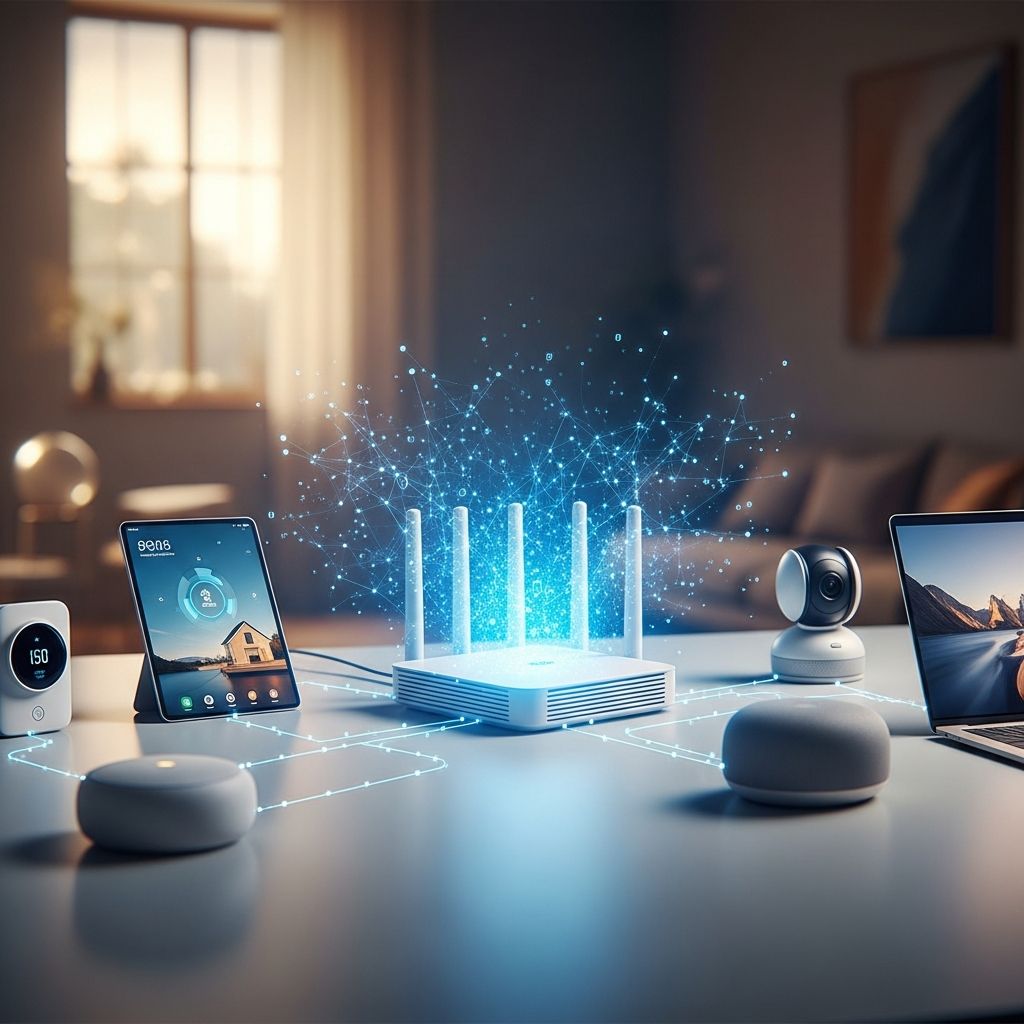
As we continue to expand our reliance on connected devices within our homes, understanding the technological infrastructure supporting these connections becomes increasingly important. One critical aspect of this infrastructure that often goes unnoticed by consumers is the internet protocol version being utilized. The transition from the current standard to its successor represents a fundamental shift in how devices communicate across networks, and consumers making purchasing decisions today should be aware of these implications.
The Foundation of Modern Home Networking
Every device that connects to the internet requires a unique identifier known as an IP address. Think of this system as a postal code system for the internet—without proper addresses, data cannot find its destination. The current system, which has served the internet since the 1980s, was designed with a limited address space. Given the exponential growth of internet-connected devices—from computers and smartphones to refrigerators, thermostats, and security cameras—the constraints of this legacy system have become increasingly apparent.
The successor protocol vastly expands the available address space from approximately 4.3 billion addresses to roughly 340 undecillion addresses. This astronomical increase essentially provides unlimited addressing capacity for the foreseeable future, accommodating billions of new connected devices without the limitations that currently plague the older standard.
Why Device Compatibility Matters Now
Consumer purchasing decisions made today have long-term implications. A device purchased now might remain operational for five, ten, or even fifteen years. Understanding whether household electronics support the emerging protocol standard ensures that your investments will remain functional as the internet infrastructure evolves. Major technology companies, internet service providers, and governing bodies have collectively recognized that transition to the newer standard is inevitable and necessary.
The challenge, however, is that this transition cannot happen overnight. Networks and devices must coexist with both standards during an extended transitional period. This creates a complex situation where some devices operate on the older system exclusively, others support both standards simultaneously, and increasingly, newer devices should support the emerging standard as their primary protocol.
Current State of Consumer Device Support
Recent comprehensive studies examining consumer IoT devices reveal a concerning gap between marketed capabilities and actual functional support. While manufacturers may claim protocol support, the reality of implementation varies significantly:
- Many devices report support for the new protocol at the technical level
- Actual functional performance when using only the new protocol remains limited
- Numerous devices fail to maintain basic operations when the older standard is unavailable
- Configuration challenges often prevent proper functionality even when hardware support exists
- Privacy risks emerge from how some devices implement addressing schemes
These findings suggest that consumers cannot simply assume that advertised compatibility translates to practical usability. Deeper investigation is warranted before making significant technology purchases.
Evaluating Device Specifications During Purchase
When shopping for home electronics with network connectivity, several technical specifications deserve examination:
Basic Protocol Support
The most fundamental consideration is whether the device specifications explicitly mention support for the emerging standard. This information typically appears in technical documentation rather than marketing materials. Consumers should look for specific language indicating that the device is either certified for the new protocol or has undergone interoperability testing confirming its compatibility.
Functional Verification
Beyond theoretical support, determining whether devices actually function with the new protocol requires understanding the distinction between detection and operation. Some devices may detect the protocol but fail to transmit data using it. This difference is crucial because it means the device might appear to support the technology without actually being able to communicate via it.
Configuration Requirements
Different devices handle configuration differently. Some automatically configure themselves for the emerging standard with zero user intervention. Others require technical configuration that many consumers lack the expertise to perform. Understanding these requirements helps assess whether a device will truly work in your network environment.
Manufacturer Support and Updates
The landscape of protocol support continues to evolve as manufacturers release firmware updates and improvements. Devices from companies with strong commitments to modernizing their technology stacks tend to receive ongoing support, while others may be abandoned after initial sale. Investigating a manufacturer’s track record with updates and support provides insight into whether your investment will remain current over time.
Home Network Infrastructure Considerations
Individual device compatibility represents only half the equation. Your home network infrastructure must also support the emerging protocol standard. Home routers serve as the gateway between your local network and the broader internet, making their compatibility equally important as individual device compatibility.
Router Readiness Assessment
Several major home networking equipment manufacturers have committed to enabling the new protocol by default across their product lines. This means that properly configured modern routers should automatically support the technology without requiring manual intervention from users. However, if you own an older router, upgrading may be necessary to fully benefit from next-generation devices.
ISP Enablement
Internet service providers play a critical role in the transition by making the new protocol available to residential customers. Not all providers have enabled this standard across their entire service area, and availability varies by region. Before purchasing devices specifically designed for the emerging standard, confirming that your ISP provides support represents a prudent step. This information typically appears in your account settings or can be obtained by contacting customer service.
Testing and Verification Methods
Consumers can verify their existing network readiness through readily available online tools. Several free services test both individual device and network-wide compatibility with the emerging protocol. These tools provide comprehensive reports indicating:
- Your current connection status across both standards
- Specific IPv6 address assignments
- DNS resolution capabilities
- Overall network readiness scores
- Compatibility with common services and applications
Performing these tests before purchasing new devices provides a baseline understanding of your current network environment and helps identify any gaps that need addressing.
Addressing Privacy and Security Implications
The transition to the emerging standard introduces new security and privacy considerations that consumers should understand. The expanded address space changes how devices identify themselves on networks. Some devices implement addressing schemes that include identifiable hardware information, potentially creating privacy risks through device traceability.
Fortunately, many modern operating systems incorporate privacy protections that randomize or obscure addressing information to prevent tracking. However, not all consumer devices implement these protections. Understanding whether devices use predictable addressing schemes versus privacy-protected randomized assignments helps assess potential risks.
Additionally, the new protocol includes built-in security features that, when properly implemented, provide better protection than legacy systems. However, these security benefits only materialize when devices are configured correctly and manufacturers have properly implemented the security mechanisms.
Practical Steps for Informed Purchasing
Before buying new home electronics with network connectivity, consumers should follow these steps:
Step One: Document Current Network Status
Establish a baseline by testing your current network compatibility using available online tools. Record whether your ISP provides support and whether your router enables the new standard by default.
Step Two: Research Device Specifications
Investigate technical documentation for any device you consider purchasing. Look for explicit mentions of protocol support, certification status, and functional capabilities beyond basic detection.
Step Three: Verify Manufacturer Commitment
Research whether the manufacturer has committed to supporting the emerging standard across its product line and whether it provides regular firmware updates addressing compatibility improvements.
Step Four: Consider Future Scalability
Evaluate your purchasing decisions based on potential future expansion of your smart home ecosystem. Devices purchased today should work seamlessly alongside future additions to your network.
Step Five: Monitor Ongoing Developments
Technology standards continue evolving, and manufacturer support levels change over time. Periodically reviewing your device compatibility helps identify any devices that may require replacement or firmware updates.
Understanding the Transitional Period
The current era represents a transitional phase where both standards coexist. This creates complexity but also provides flexibility. Dual-stack configurations, where networks support both standards simultaneously, allow older devices to continue functioning while newer devices leverage the advantages of the emerging standard.
This transitional approach benefits consumers by preventing immediate obsolescence of existing equipment while providing pathways for gradual modernization. However, it also means that consumers cannot immediately adopt exclusively next-generation networks without sacrificing compatibility with legacy devices.
Long-Term Strategic Considerations
As the industry continues transitioning to the emerging standard, making purchasing decisions with forward-compatibility in mind protects your investments. Devices purchased today with proper protocol support will remain relevant as the wider infrastructure evolves. Conversely, devices without such support may face compatibility challenges as older infrastructure is gradually retired.
This reality particularly affects devices expected to operate for extended periods. Smart home devices often remain in place for many years, making their protocol compatibility a significant factor in their long-term viability and usefulness.
Frequently Asked Questions
Will my current devices stop working?
No. The transition to the emerging standard is gradual, and older devices will continue functioning for years. However, new devices designed exclusively for the newer standard will not work on legacy-only networks.
How can I tell if a device supports the new protocol?
Check the technical specifications provided by manufacturers. Look for explicit mentions, certification badges, or interoperability test results. When in doubt, contact manufacturer support directly.
Do I need to upgrade my router immediately?
Not urgently, but upgrading to a modern router that enables the new standard by default prepares you for the transition and enables you to purchase newer devices confidently.
Will upgrading cost extra?
Protocol support is typically included in modern devices at no additional cost. Older devices without support are not more or less expensive than those with support—it’s simply a feature availability question.
What if my ISP doesn’t support the new protocol?
You can still purchase compatible devices and use them on your local network. However, some advanced features requiring internet connectivity may not work. Contact your ISP about timelines for support availability.
References
- IoT Bricks Over v6: Understanding IPv6 Usage in Smart Homes — ASHB Research. 2025. https://www.ashb.com/wp-content/uploads/2025/07/IS-2025-062.pdf
- World IPv6 Launch – Home Router Vendors — World IPv6 Launch. 2012. https://www.worldipv6launch.org/participants-router-vendors/
- About the IPv6 Readiness Tool — National Telecommunications and Information Administration (NTIA). https://www.ntia.gov/other-publication/about-ipv6-readiness-tool
- I Spent a Week Without IPv4 to Understand IPv6 Transition Mechanisms — APALRD. 2023. https://www.apalrd.net/posts/2023/network_ipv6/
- Test Your IPv6 — Test IPv6. https://test-ipv6.com
Similar Articles







Read full bio of Sneha Tete