Global Cyber Forums: Key Insights
Exploring major takeaways from pivotal international gatherings on cyberspace governance and expertise sharing.
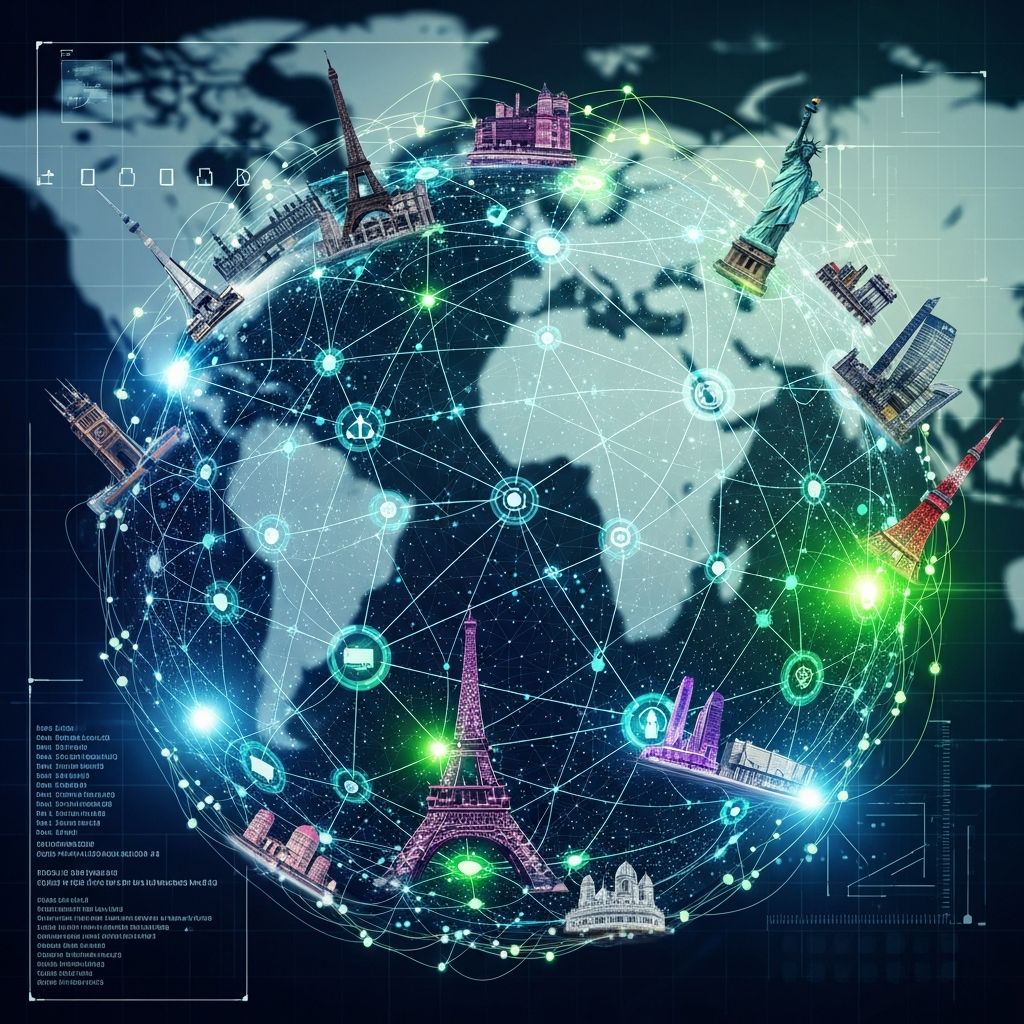
In an era where digital threats transcend borders, international forums play a crucial role in fostering dialogue, sharing knowledge, and crafting strategies for a resilient cyberspace. This article examines standout events that bring together policymakers, experts, and stakeholders to address pressing cyber challenges. Drawing from recent and historical gatherings, we uncover themes of governance, capacity enhancement, and collaborative action that define the global cyber landscape.
The Evolution of Cyberspace Conferences
Cyberspace conferences have grown from niche discussions to high-profile summits attracting thousands. These events serve as platforms where nations align on norms, tackle emerging risks like AI-driven attacks, and promote inclusive participation. Unlike bilateral talks, they emphasize multi-stakeholder involvement, ensuring voices from developing regions are heard alongside tech giants.
Historically, such forums emerged in response to escalating cyber incidents, evolving to incorporate lessons from real-world breaches. Today, they focus on proactive measures, blending technical expertise with policy frameworks. For instance, sessions often explore how quantum computing might disrupt encryption, urging preemptive standards development.
Core Themes in Global Cyber Dialogues
Recurring motifs across these summits include norm-building, threat intelligence sharing, and equitable access to cyber tools. Participants debate binding versus voluntary agreements, with many advocating hybrid models that respect sovereignty while enabling cooperation.
- Norms and Standards: Establishing baseline behaviors for state and non-state actors to prevent conflict escalation.
- Capacity Development: Bridging gaps between advanced and emerging economies through training and resource allocation.
- Innovation and Ethics: Balancing technological advancement with ethical safeguards against misuse.
These themes underscore a shift from reactive defense to strategic foresight, emphasizing public-private partnerships.
Spotlight on Major International Gatherings
Two prominent events exemplify this dynamic: the Global Conference on Cyberspace (GCCS) and the Global Forum on Cyber Expertise (GFCE). GCCS, known for its high-level political engagement, convenes leaders to endorse declarations on cyber stability. Meanwhile, GFCE targets practical implementation, coordinating expertise-sharing initiatives across 100+ partners.
| Event | Focus Areas | Key Outcomes | Participants |
|---|---|---|---|
| GCCS | Policy norms, multi-stakeholder dialogue | Consensus documents, ministerial commitments | Governments, NGOs, industry |
| GFCE | Expertise coordination, capacity building | Project hubs, best practice repositories | Experts, regional forums, donors |
These gatherings complement each other, with GCCS setting the vision and GFCE driving execution.
Capacity Building: Empowering the Global South
A critical focus is equipping less-resourced nations against sophisticated threats. Forums highlight initiatives like regional hubs that deliver tailored training in incident response and vulnerability management. Success stories include African and Asian partnerships reducing ransomware impacts through shared intelligence.
Challenges persist, such as funding disparities and skill shortages. Experts call for sustainable models, integrating cyber education into national curricula and leveraging open-source tools for affordability.
Public-Private Synergies in Action
Tech firms, often bearing the brunt of attacks, bring frontline insights to these forums. Discussions reveal how companies collaborate with governments on attribution challenges and supply chain security. One notable trend is the rise of joint exercises simulating nation-state intrusions, honing collective responses.
Yet, trust issues linger—firms wary of data disclosures, governments of vendor lock-in. Forums mediate these, promoting frameworks like the Paris Call for Trust and Security in Cyberspace, now endorsed by dozens of entities.
Navigating Geopolitical Tensions
Cyber forums operate amid U.S.-China rivalries and regional conflicts, where accusations of interference abound. Sessions dissect these, advocating confidence-building measures like hotlines and transparency pledges. A key insight: de-escalation requires mutual verification mechanisms, akin to arms control treaties.
Youth and Inclusivity: The Next Generation
Emerging voices, particularly from youth and women, enrich dialogues. Dedicated tracks address gender gaps in cybersecurity, with mentorship programs accelerating diverse talent pipelines. Forums recognize that inclusive teams yield innovative defenses against evolving threats.
Measuring Impact and Future Directions
Quantifying success remains elusive, but metrics like trained professionals and implemented projects offer benchmarks. Looking ahead, forums eye integration with climate and health security, recognizing cyber’s role in critical infrastructure resilience.
Future agendas prioritize AI governance, countering deepfakes and autonomous weapons. With quantum threats looming, accelerated R&D collaboration is imperative.
Frequently Asked Questions
What is the role of GCCS in global cyber policy?
GCCS facilitates high-level commitments to cyberspace norms, fostering international consensus on responsible behavior.
How does GFCE support developing countries?
GFCE coordinates expertise-sharing hubs, providing training and resources tailored to regional needs.
Why are public-private partnerships vital?
They combine governmental authority with industry innovation, enhancing threat detection and response capabilities.
What challenges hinder cyber forum effectiveness?
Geopolitical divides, resource inequities, and measurement gaps often slow progress.
How can individuals contribute to global cyber efforts?
By pursuing certifications, joining open-source projects, and advocating for inclusive policies.
Conclusion: Toward a Collaborative Cyber Future
Global cyber forums illuminate pathways to a secure digital realm, uniting diverse actors against common foes. By sustaining momentum from these events, the international community can fortify cyberspace, ensuring it remains a force for prosperity rather than peril. Continued engagement promises a more equitable and robust global network.
References
- Global Conference on Cyberspace Official Site — Government of the Netherlands (host). 2023-11-28. https://www.gccs2013.com/
- GFCE Annual Report 2024 — Global Forum on Cyber Expertise. 2024-12-15. https://thegfce.org/resources/gfce-annual-report-2024/
- Paris Call for Trust and Security in Cyberspace — French Government. 2018-11-12 (updated 2024). https://pariscall.international/en/call
- UN Group of Governmental Experts on Cybersecurity — United Nations Office for Disarmament Affairs. 2021-07-01. https://www.un.org/disarmament/group-of-governmental-experts/
- Budapest Convention on Cybercrime — Council of Europe. 2001-07-23 (ongoing). https://www.coe.int/en/web/conventions/full-list?module=treaty-detail&treatynum=185
Similar Articles







Read full bio of medha deb