Future of Small Island Nations After COVID-19
Exploring digital transformation, economic resilience, and connectivity strategies for small island developing states in a post-pandemic era.
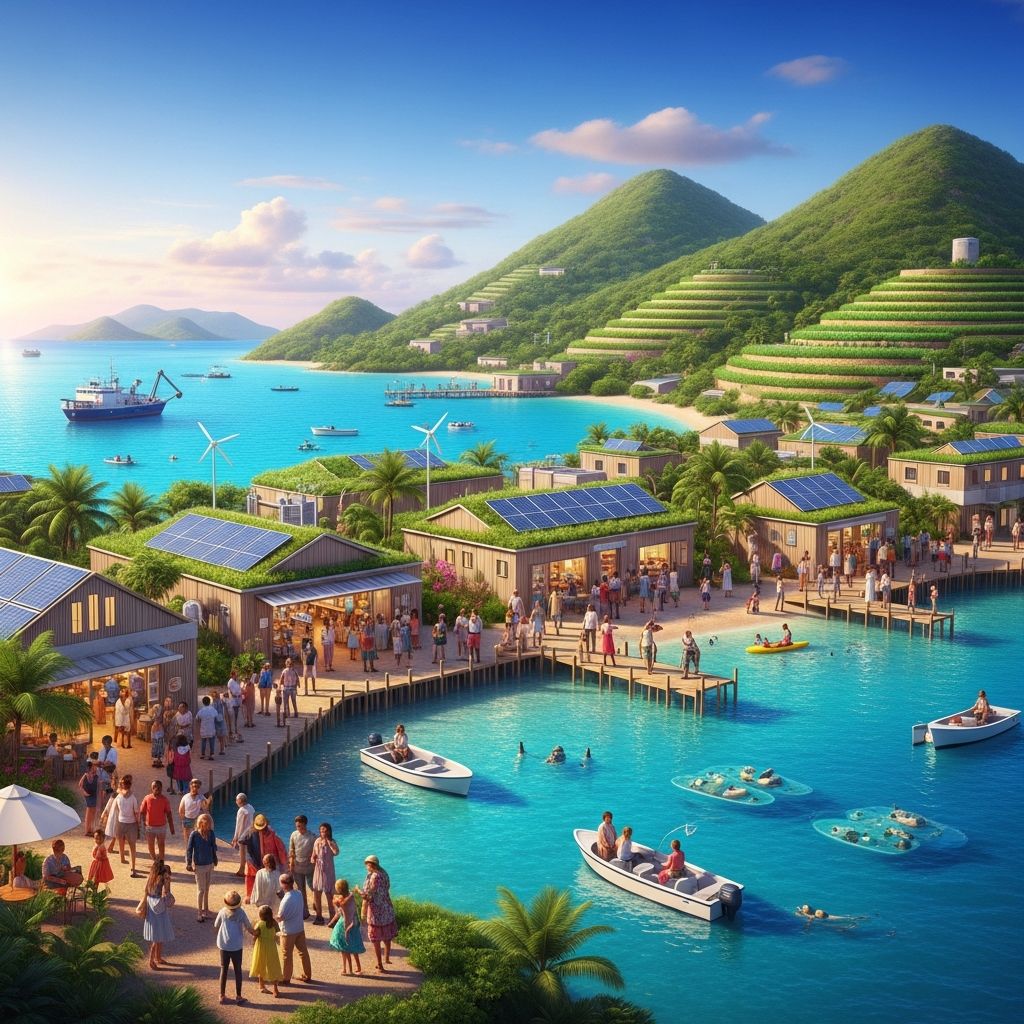
Small island developing states (SIDS) faced unprecedented challenges during the COVID-19 pandemic, with their remote locations, limited resources, and heavy reliance on tourism amplifying the impacts. As the world moves into a post-pandemic phase, these nations stand at a crossroads. The crisis exposed vulnerabilities but also highlighted opportunities for transformation, particularly through digital technologies, economic diversification, and strengthened global partnerships. This article delves into the evolving landscape for SIDS, focusing on strategies to enhance connectivity, boost digital economies, and promote sustainable development.
Unique Vulnerabilities of Island Economies
SIDS, comprising around 58 countries and territories scattered across the Caribbean, Pacific, and Indian Oceans, share common traits that make them particularly susceptible to global shocks. Their small populations, often under one million, combined with geographic isolation, result in high import dependencies and fragile supply chains. Tourism, which accounts for up to 90% of GDP in some islands like the Maldives, collapsed overnight due to travel restrictions, leading to GDP contractions averaging 6.9% in 2020—worse than the global average.
Beyond economics, food security emerged as a critical issue. Many SIDS import over 80% of their food, and pandemic-induced disruptions threatened shortages. Remittances, another lifeline for households, dropped sharply as migrant workers in larger economies faced job losses. These factors underscore the need for resilient systems that can withstand future disruptions, whether from pandemics, climate events, or trade imbalances.
Leveraging Digital Infrastructure for Recovery
The pandemic accelerated the shift to digital solutions worldwide, and SIDS are no exception. Remote work, telemedicine, and online education became necessities, revealing stark gaps in internet access. In many islands, connectivity is hampered by ‘last-mile’ challenges—extending broadband to rural or remote areas—and reliance on ‘best-effort’ services that falter under high demand.
Governments and organizations are now prioritizing investments in robust digital infrastructure. For instance, expanding submarine cable networks and deploying satellite technologies can ensure reliable, high-speed internet. This not only supports daily operations but also enables e-government services, reducing bureaucratic hurdles and improving transparency.
- Key Digital Priorities:
- Universal broadband coverage, targeting underserved communities.
- Digital skills training for students, workers, and businesses.
- Secure national payment systems to facilitate e-commerce.
By addressing these, SIDS can transform isolation into an asset, fostering innovation in fintech, e-learning, and virtual trade platforms.
Building a Diversified and Resilient Economy
Tourism’s dominance left SIDS exposed, but the crisis prompted a reevaluation. A ‘blue economy’ approach—sustainable exploitation of ocean resources—offers promise. Sectors like sustainable fisheries, renewable ocean energy, and maritime logistics could generate jobs and revenue while preserving ecosystems.
Digital tools amplify this shift. E-commerce platforms connect local producers directly to consumers, bypassing intermediaries and reducing costs. In Latin America and the Caribbean, initiatives for electronic food markets during lockdowns minimized physical interactions while supporting small farmers. SIDS can adopt similar models, integrating logistics apps and digital marketplaces.
| Sector | Pre-COVID Contribution | Post-COVID Opportunity |
|---|---|---|
| Tourism | 50-90% GDP | Sustainable eco-tourism with digital booking |
| Blue Economy | <10% | Fisheries, renewables (target 30% by 2030) |
| Digital Services | Minimal | E-commerce, fintech (projected 20% growth) |
Policy incentives, such as tax breaks for green tech and export promotion, are essential. International support from bodies like the OECD emphasizes ‘blue recovery’ packages tailored to SIDS.
Enhancing Food Security Through Innovation
Supply chain disruptions highlighted food vulnerabilities. Post-COVID strategies focus on local production and digital facilitation. Vertical farming, supported by IoT sensors, and community-supported agriculture apps can boost self-sufficiency.
Trade policies must evolve too. Promoting regional ‘travel bubbles’—as tested in the Maldives—safely restarts tourism while allowing controlled food imports. Behavioral models using the Theory of Planned Behavior show that such bubbles, combined with tax incentives, effectively rebuild traveler confidence.
Climate Resilience in a Post-Pandemic Context
SIDS are frontline climate victims, with rising seas threatening habitability. COVID responses offer lessons: strict border controls contained outbreaks, mirroring needs for climate adaptation. UNESCO case studies from Mauritius, Comoros, and Seychelles integrate post-COVID recovery with climate plans, emphasizing resilient infrastructure.
Digital twins—virtual models of coastlines—aid in predictive planning, while AI-driven early warning systems mitigate disasters. Funding from green bonds and climate funds can scale these efforts.
Policy Recommendations for Sustainable Growth
To thrive, SIDS must adopt holistic strategies:
- Invest in Connectivity: Partner with international orgs for affordable broadband.
- Foster Digital Adoption: Train workforces and incentivize businesses.
- Diversify Revenue: Prioritize blue economy and e-commerce.
- Strengthen Partnerships: Seek OECD, UN, and IMF support for recovery.
- Build Inclusive Systems: Ensure digital inclusion for all demographics.
Chambers of commerce and governments should collaborate on logistics and skills programs, turning pandemic pivots into long-term gains.
FAQs
What are Small Island Developing States (SIDS)?
SIDS are 58 vulnerable nations and territories reliant on imports, tourism, and facing climate risks.
How did COVID-19 impact SIDS economies?
Tourism halted, causing GDP drops up to 6.9%, food shortages, and remittance losses.
What is a ‘blue recovery’ for SIDS?
A strategy leveraging ocean resources sustainably for economic diversification post-crisis.
Why is internet connectivity crucial?
It enables remote work, e-learning, e-commerce, and resilient services.
What recovery strategies work best?
Travel bubbles, digital platforms, and blue economy investments show high potential.
Conclusion
The post-COVID era presents SIDS with a unique opportunity to redefine their futures. By embracing digital transformation, diversifying economies, and bolstering resilience, these islands can emerge stronger. Global solidarity is key—through targeted aid and knowledge sharing, SIDS can navigate uncertainties toward prosperity. The pivot from crisis to opportunity hinges on bold, inclusive actions today.
References
- COVID-19 pandemic: Towards a blue recovery in small island developing states — OECD. 2020-06-12. https://www.oecd.org/en/publications/covid-19-pandemic-towards-a-blue-recovery-in-small-island-developing-states_241271b7-en.html
- Small Island Developing States (SIDS) COVID-19 post-pandemic tourism recovery: A system dynamics approach — Taylor & Francis. 2021-05-28. https://www.tandfonline.com/doi/full/10.1080/13683500.2021.1924636
- Post COVID-19 climate resilience & adaptation in Small Island Developing States (SIDS) — UNESCO. 2022. https://unesdoc.unesco.org/ark:/48223/pf0000386466
- Small Island Developing States: Looking Past the COVID-19 Pandemic — Harvard International Review. 2021-04-15. https://hir.harvard.edu/small-island-developing-states-covid19/
- Small Island Developing States in a post‐pandemic world — Wiley Interdisciplinary Reviews: Climate Change. 2022-06-01. https://wires.onlinelibrary.wiley.com/doi/10.1002/wcc.769
Similar Articles




Read full bio of medha deb