Facebook iOS Apps Embrace IPv6-Only Networks
Discover how Facebook's iOS apps now seamlessly operate on pure IPv6 networks, paving the way for the internet's future without IPv4 dependencies.
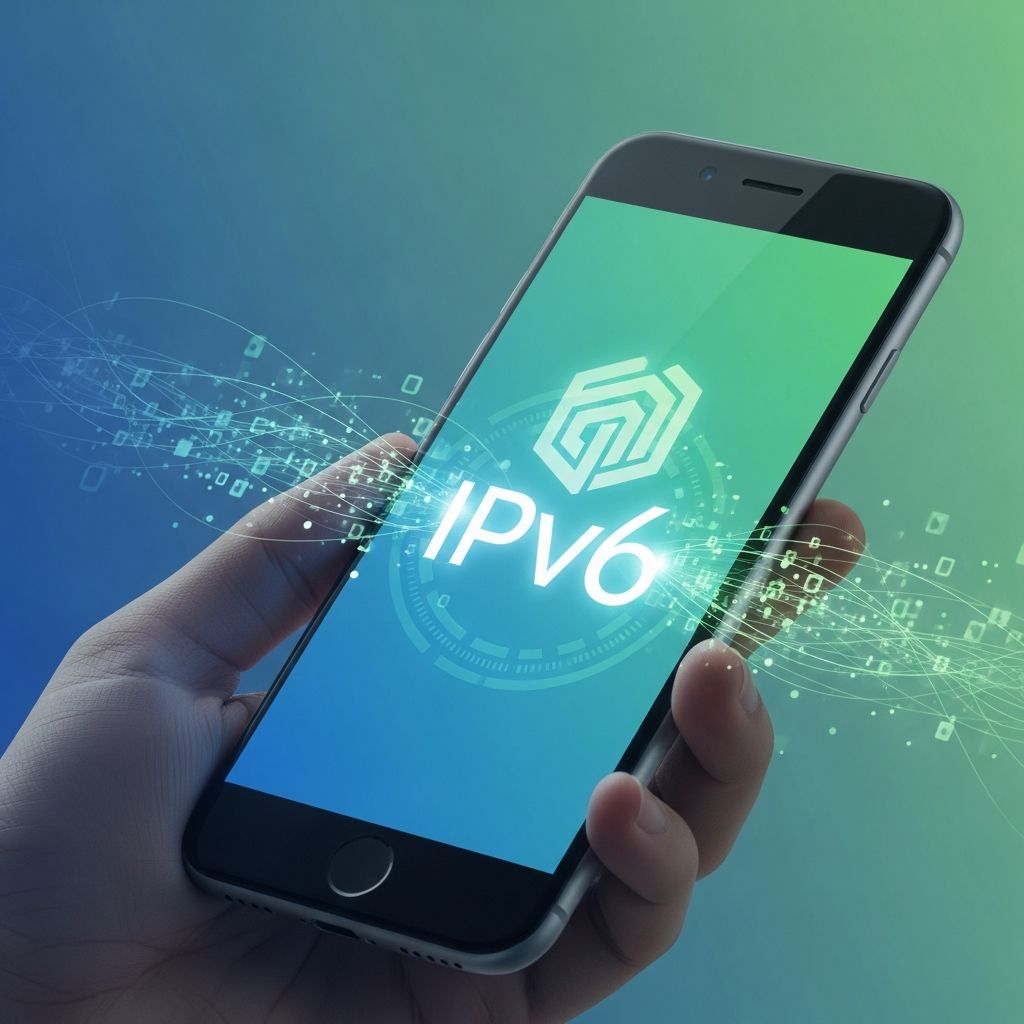
The transition to IPv6 represents one of the most significant evolutions in internet infrastructure since the dawn of the web. As IPv4 addresses dwindle, major tech giants are racing to ensure their services thrive in a post-IPv4 world. A pivotal development in this shift is Facebook’s recent enhancement of its iOS applications, which now fully support operations on networks exclusively using IPv6. This advancement not only underscores Facebook’s proactive stance on protocol adoption but also signals a maturing ecosystem where mobile apps can disconnect from IPv4 legacies.
The Imperative for IPv6 in Modern Networking
IPv6 was designed to address the exhaustion of IPv4 addresses, offering a vastly expanded address space with 128-bit addresses compared to IPv4’s 32 bits. According to the Internet Assigned Numbers Authority (IANA), the global IPv4 pool has been fully allocated since 2011, pushing ISPs and enterprises toward IPv6 deployment.1 For mobile networks, this shift is particularly urgent due to the explosive growth in connected devices.
Facebook, serving billions of users worldwide, has long recognized this trend. Internally, the company has aggressively pursued IPv6-only data centers, with over 99% of its internal traffic now flowing over IPv6 as reported in their engineering blogs.2 This internal commitment extends outward, ensuring that end-user applications remain accessible regardless of network type.
Technical Breakthroughs in Facebook’s iOS Implementation
The core challenge in enabling IPv6-only compatibility lies in network reachability detection. Apple’s Reachability API, intended to help apps discern available network types, traditionally focused on IPv4 or dual-stack hostnames. However, this approach faltered in pure IPv6 environments or when hostnames resolved solely to IPv6 on IPv4-only networks.
Facebook engineers, led by figures like Paul Saab, devised a robust solution. By refining their app’s networking stack, they implemented comprehensive checks for both IPv4 and IPv6 connectivity. This ensures the apps can connect directly to Facebook’s IPv6-enabled data centers using native IPv6 when available, falling back gracefully in mixed environments.
- Happy Eyeballs Algorithm Integration: The apps employ a variant of RFC 6555’s “Happy Eyeballs,” racing IPv6 and IPv4 connections to prioritize the fastest, most reliable path.
- Hostname Resolution Fixes: Dual-stack hostnames now resolve correctly across network types, preventing connection failures.
- Seamless Dual-Stack Operation: In hybrid networks, the apps maintain optimal performance without user intervention.
These updates first rolled out to the main Facebook iOS app, followed swiftly by Messenger, demonstrating rapid iteration in response to real-world testing.
Implications for Mobile Users and Network Operators
For iOS users on forward-leaning networks like those from T-Mobile or Comcast’s IPv6 trials, this means uninterrupted access to Facebook services. No longer do users face loading issues or fallbacks to slower tunnels when IPv4 is absent.
Network operators benefit immensely. IPv6-only deployments simplify infrastructure by eliminating IPv4 routing overhead, reducing costs, and enhancing security through features like IPsec. Apple’s own mandate since iOS 9 requires App Store apps to support IPv6-only networks, aligning perfectly with Facebook’s efforts.3
| Network Type | Facebook iOS App Performance | Key Benefit |
|---|---|---|
| IPv4-Only | Fully Functional (Legacy) | Backward Compatibility |
| Dual-Stack (IPv4+IPv6) | Optimal (IPv6 Preferred) | Fastest Path Selection |
| IPv6-Only | Native Support | No Tunneling Overhead |
Challenges and Solutions in Android and Broader Ecosystems
While iOS apps shine, Android presents hurdles due to platform fragmentation. Older Android devices struggle with IPv6-only scenarios owing to inconsistent OS implementations. Facebook notes that their Android apps theoretically support IPv6, but device-specific quirks often necessitate IPv4 fallbacks.
Common pitfalls include MTU mismatches in tunneled IPv6 (e.g., 6to4 or 6rd), leading to incomplete media loads on Facebook. Forum discussions highlight resolutions like setting Router Advertisements to 1280-byte MTU, the IPv6 minimum, to ensure compatibility.4
Facebook’s Broader IPv6 Strategy: From Apps to Infrastructure
Facebook’s IPv6 journey extends beyond apps. Their data centers operate predominantly IPv6-only, using software load balancers to proxy IPv4 traffic via IPv6 tunnels. Incoming IPv4 requests are encapsulated and routed internally over IPv6, decapsulated at the edge, preserving IPv6 purity in the core.2
This architecture allows Facebook to serve its global audience—where only about 40% have IPv6 access per Google statistics—while future-proofing operations. By 2026, with IPv6 adoption nearing 50% worldwide, such strategies position Facebook at the forefront.
Future Outlook: Accelerating Global IPv6 Adoption
Regulatory bodies like the U.S. Federal Communications Commission (FCC) and international standards from the Internet Engineering Task Force (IETF) continue to champion IPv6. The World IPv6 Launch in 2012, backed by major players, has evolved into sustained deployment efforts.5
For developers, the lesson is clear: build IPv6-first. Tools like DNS64/NAT64 enable legacy IPv4 services on IPv6 networks, but native support—as in Facebook’s apps—delivers superior performance. Social media platforms like Twitter and Google have followed suit, listing IPv6 compatibility in their capabilities.
Practical Steps for Testing IPv6-Only Compatibility
Users and developers can verify app behavior using tools like ping6 or Apple’s Network Link Conditioner. Simulate IPv6-only by disabling IPv4 interfaces on test devices. Facebook’s engineering team validated their fixes in such environments, confirming video, images, and messaging work flawlessly.
Frequently Asked Questions (FAQs)
What does IPv6-only support mean for Facebook users?
It ensures your Facebook and Messenger apps work on next-gen networks without IPv4, providing faster, more reliable access.
Do Android Facebook apps support IPv6-only networks?
They do in principle, but Android device variations may require updates or network tweaks for full compatibility.
Why is Facebook prioritizing IPv6?
To handle billions of users amid IPv4 exhaustion, streamline infrastructure, and align with industry-wide transitions.
How does this affect battery life on iOS devices?
IPv6-native connections often reduce latency and overhead, potentially improving efficiency over tunneled alternatives.
Can I test IPv6 support on my home network?
Yes, enable IPv6 via your router, use sites like test-ipv6.com, and monitor app performance.
Conclusion: A Step Toward an IPv6-Dominant Internet
Facebook’s iOS app upgrades exemplify how large-scale services can drive protocol evolution. By mastering IPv6-only operations, they not only enhance user experience but also encourage broader adoption. As more apps follow, the internet sheds its IPv4 skin, ushering in an era of boundless connectivity. Developers, operators, and users alike should embrace this change to stay ahead in the networked world.
References
- IPv4 Address Exhaustion — Internet Assigned Numbers Authority (IANA). 2011-02-01. https://www.iana.org/assignments/ipv4-address-space/ipv4-address-space.xhtml
- Legacy Support on IPv6-Only Infra — Meta Engineering Blog. 2017-01-17. https://engineering.fb.com/2017/01/17/production-engineering/legacy-support-on-ipv6-only-infra/
- App Store IPv6 Support — Apple Developer. 2016-06-13. https://developer.apple.com/support/ipv6/
- IPv6 Capabilities — U.S. Department of Defense HPC. Last updated 2023. https://www.hpc.mil/solution-areas/networking/ipv6-knowledge-base/frequently-asked-questions/available-ipv6-social-media-websites-and-apps
- World IPv6 Launch — Internet Society. 2012-06-06. https://www.internetsociety.org/worldipv6launch/
Similar Articles





Read full bio of Sneha Tete