Expanding Internet Access Across Africa Through Strategic Alliances
Discover how collaborative efforts are transforming connectivity in Africa, empowering communities with reliable Internet infrastructure.
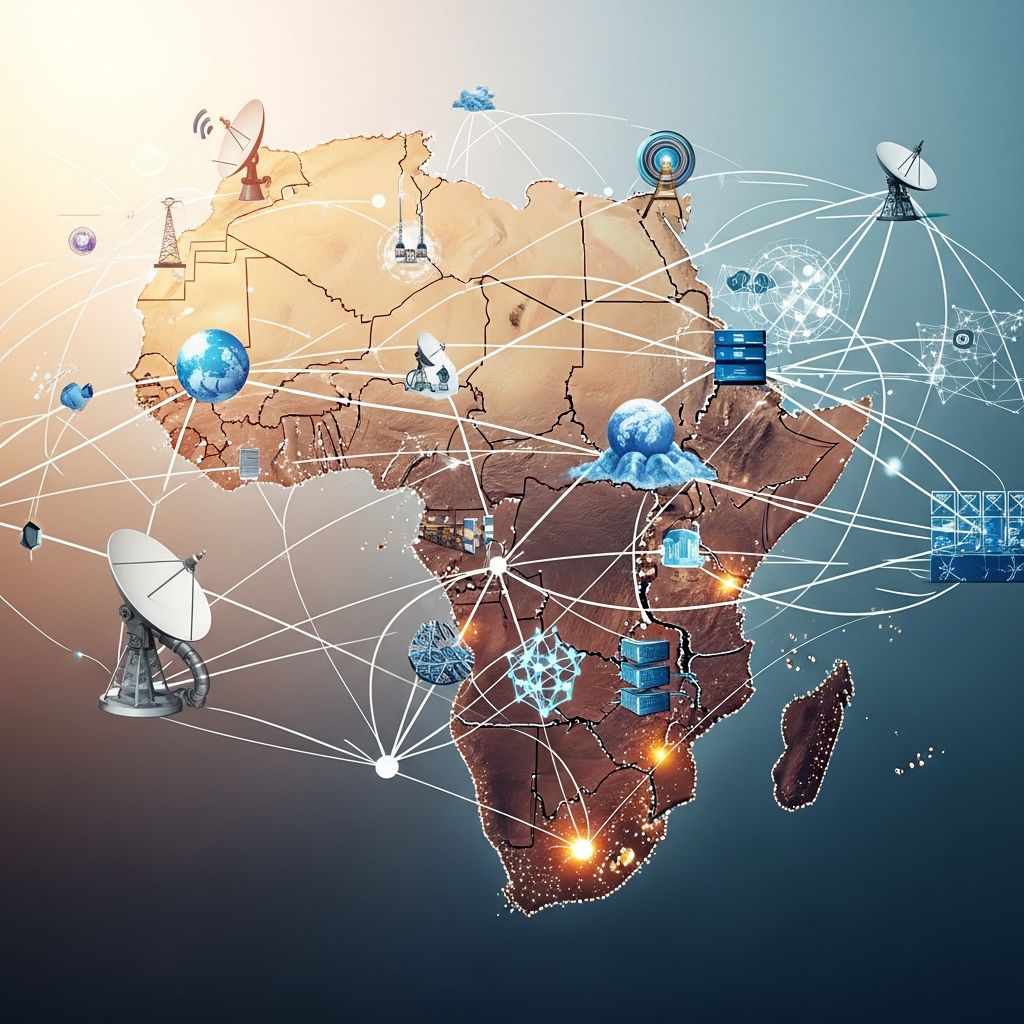
The digital revolution has reshaped global economies, but in Africa, the journey toward universal Internet access remains a work in progress. With vast potential in education, commerce, and innovation, the continent faces persistent barriers like limited infrastructure and high costs. Collaborative efforts among organizations, governments, and local experts are pivotal in overcoming these hurdles, paving the way for inclusive digital participation.
The Imperative for Enhanced Connectivity in Africa
Africa’s population exceeds 1.4 billion, yet Internet penetration hovers around 40-50% in many regions, according to recent reports. Rural areas suffer most, where geographic isolation and economic constraints limit access. Reliable Internet unlocks opportunities: e-learning for youth, telemedicine for remote health services, and digital markets for small businesses. Without it, entire communities risk exclusion from the global economy.
Key challenges include insufficient backbone networks, expensive international bandwidth, and a shortage of skilled technicians. Addressing these requires not just funding but coordinated action. Partnerships amplify impact by pooling resources, expertise, and advocacy, creating sustainable pathways to connectivity.
Building Robust Technical Communities
At the heart of Africa’s Internet evolution are technical communities—groups of network engineers, operators, and developers who maintain and innovate infrastructure. These networks foster knowledge exchange, troubleshoot outages, and promote best practices like local traffic routing.
- Network Operator Groups (NOGs) host workshops and forums, training hundreds on routing protocols and security.
- Community-led initiatives deploy affordable caching servers, reducing latency for popular content.
- Peer training programs empower women and youth, diversifying the talent pool.
Investments in these groups yield long-term resilience. For instance, during widespread outages, strong communities quickly restore services, minimizing disruptions to businesses and services.
Critical Role of Internet Exchange Points
Internet Exchange Points (IXPs) are neutral hubs where local networks interconnect, slashing costs and boosting speeds. In Africa, where traffic often routes internationally, IXPs keep data local, conserving bandwidth and enhancing performance.
| Region | IXPs Deployed | Impact |
|---|---|---|
| West Africa | 15+ | 40% cost reduction |
| East Africa | 20+ | Improved peering |
| Southern Africa | 12+ | Regional hubs |
Establishing IXPs involves stakeholder buy-in: ISPs, governments, and universities collaborate to secure facilities and colocation space. Training ensures operators maximize benefits, like implementing IPv6 for future-proofing.
Forging Multi-Stakeholder Partnerships
Success hinges on alliances transcending borders and sectors. International bodies partner with regional unions, tech firms fund equipment, and local chapters drive implementation.
Examples include:
- Collaborations with continental bodies to align policies on spectrum allocation.
- Grants for peering infrastructure, covering training and hardware up to $50,000 per project.
- Cross-border initiatives linking national IXPs into regional carriers for broader reach.
These partnerships emphasize sustainability, training locals to own and operate systems long-term.
Capacity Development and Skill-Building Initiatives
Human capital is the backbone of digital infrastructure. Programs target engineers, policymakers, and educators with hands-on training in network design, cybersecurity, and governance.
Annual summits and webinars facilitate dialogue, sharing case studies from Kenya’s thriving IXP ecosystem to Nigeria’s content localization strategies. Goals include 80% local traffic handling, drastically cutting reliance on expensive undersea cables.
Policy Advocacy for an Open Internet
Governments play a decisive role through regulation. Advocacy pushes for open-access policies, affordable devices, and digital literacy campaigns. Multi-stakeholder forums bridge gaps between regulators and operators, fostering environments where innovation thrives.
Efforts also combat threats like shutdowns, promoting universality and rights protection in digital spaces.
Real-World Success Stories
In West Africa, community response to a major outage showcased partnership strength: NOGs coordinated peering adjustments, restoring services swiftly. East African IXPs now handle millions of gigabits daily, supporting e-commerce booms.
Community networks in Tanzania connect off-grid villages using wireless mesh, blending solar power with low-cost routers. These models inspire replication continent-wide.
Future Directions: Toward Universal Access
Looking ahead, priorities include 5G rollout, satellite integration for remote areas, and AI-driven network management. Continued investment in technical communities and IXPs will anchor growth.
By 2030, projections suggest 70% penetration if current trajectories hold, driven by alliances. The vision: an Internet for everyone, fueling Africa’s renaissance.
Frequently Asked Questions (FAQs)
What are Internet Exchange Points and why do they matter in Africa?
IXPs allow local networks to exchange traffic efficiently, reducing costs and latency. In Africa, they localize content, making the web faster and cheaper.
How do technical communities contribute to Internet resilience?
They provide training, rapid response to issues, and advocate for infrastructure, ensuring networks withstand disruptions.
Which organizations lead these partnerships?
Key players include the Internet Society, African Union, ICANN, and Meta, funding and guiding deployments.
What challenges remain for African Internet expansion?
Affordability, skills gaps, and policy hurdles persist, but collaborative efforts are addressing them.
How can individuals get involved?
Join local NOGs, participate in workshops, or support community networks for grassroots impact.
References
- The Internet Society’s Commitment to Africa — Internet Society. 2025-01-01. https://www.internetsociety.org/news/speeches/2025/rebuilding-together-the-power-of-africas-technical-community/
- The Importance of Strong Technical Communities and Partnerships in Africa — Internet Society. 2024-04-01. https://www.internetsociety.org/blog/2024/04/the-importance-of-strong-technical-communities-and-partnerships-in-africa/
- Anchoring the African Internet Ecosystem: Lessons from Kenya and Nigeria — Internet Society. 2020-06-01. https://www.internetsociety.org/wp-content/uploads/2020/06/Anchoring-the-African-Internet-Ecosystem-Lessons-from-Kenya-and-Nigeria.pdf
- Reimagining the Summit on Community Networks in Africa — Internet Society. 2021-01-01. https://www.internetsociety.org/resources/doc/2021/reimagining-the-summit-on-community-networks-in-africa-during-the-covid-19-pandemic/
- West-African Stakeholders Embrace the Universality of Internet — UNESCO. 2023-01-01. https://www.unesco.org/en/articles/west-african-stakeholders-embrace-universality-internet
Similar Articles






Read full bio of medha deb