Encryption: Foundation of Internet Trust
Discover how robust encryption safeguards privacy, drives economies, and builds a reliable digital world against rising cyber threats.
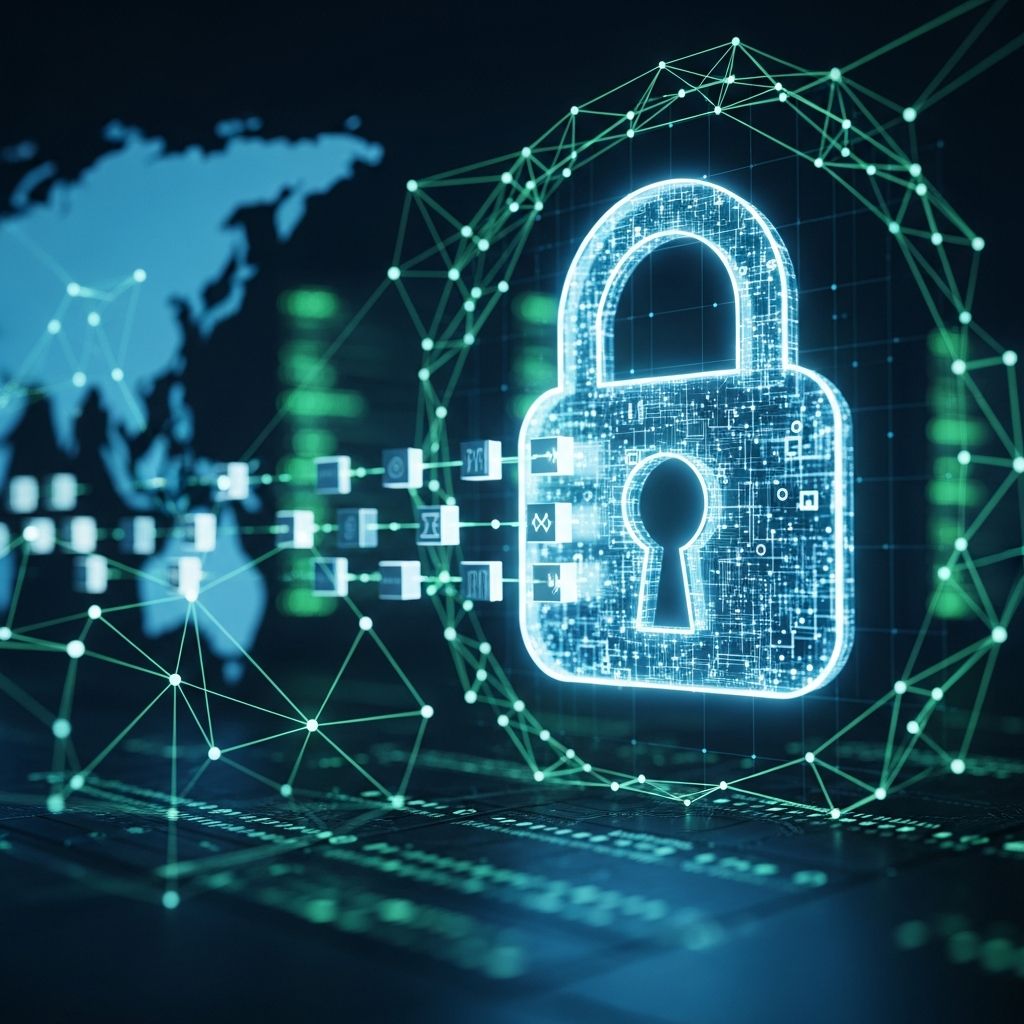
In an era dominated by digital interactions, the security of our online world hinges on one critical technology: encryption. This process transforms readable data into a coded format accessible only to those with the proper key, ensuring that sensitive information remains confidential during transmission and storage. As cyber threats proliferate—from state-sponsored surveillance to opportunistic hackers—encryption stands as the bulwark protecting individuals, businesses, and governments alike. This article delves into the multifaceted importance of encryption, examining its technical underpinnings, real-world applications, and the urgent need for its widespread adoption to cultivate a truly trustworthy internet.
The Mechanics of Modern Encryption
At its core, encryption employs sophisticated mathematical algorithms to scramble data. Symmetric encryption uses a single key for both encrypting and decrypting information, ideal for scenarios where sender and receiver share access securely. Asymmetric encryption, conversely, relies on a public key for encryption and a private key for decryption, enabling secure exchanges without prior key sharing. Protocols like Transport Layer Security (TLS), the successor to SSL, integrate these methods into web communications, manifesting as the familiar padlock icon in browsers.
Network encryption secures data traversing internal corporate networks or the public internet. As data packets journey from source to destination, they are converted into ciphertext, rendering interception futile without the decryption key. This is particularly vital for protocols like HTTPS, which encrypts web traffic, and VPNs, which create secure tunnels over untrusted networks. According to Nile Secure, this process not only prevents unauthorized access but also verifies endpoint identities, thwarting man-in-the-middle attacks.
Why Encryption Matters for Everyday Users
For the average internet user, encryption is the invisible shield guarding personal data. When logging into email, shopping online, or messaging friends, encryption ensures that credentials, financial details, and private conversations remain private. Without it, public Wi-Fi hotspots become prime venues for eavesdroppers to harvest data.
- Privacy Protection: Encryption prevents third parties from reading communications, preserving freedom of expression and association.
- Data Integrity: By detecting alterations, it confirms that received information matches what was sent.
- Authentication: Digital signatures embedded in encrypted exchanges verify sender legitimacy.
Consider vulnerable populations: journalists in repressive regimes, activists organizing protests, or domestic abuse survivors coordinating escapes. Encryption empowers them to communicate without fear of interception, as highlighted by global advocacy efforts.
Economic Imperative: Fueling Digital Commerce
Encryption underpins the global economy’s digital backbone. E-commerce platforms, banking apps, and payment gateways depend on it to facilitate trillions in transactions annually. Without encryption, consumer confidence would erode, stalling online retail growth. Secure Sockets Layer and its TLS evolution ensure that card details and personal information stay confidential, complying with standards like PCI DSS.
Businesses benefit too. Encrypted internal networks protect trade secrets, intellectual property, and customer data from industrial espionage. In a 2023 report, regulatory bodies emphasized encryption’s role in GDPR and HIPAA compliance, averting hefty fines and reputational damage.
| Sector | Encryption Use Case | Impact |
|---|---|---|
| Finance | Transaction securing | Prevents fraud, builds trust |
| Healthcare | Patient records | Ensures HIPAA compliance |
| E-commerce | Checkout processes | Boosts sales confidence |
| Government | Classified comms | Protects national security |
Defending Against Evolving Cyber Threats
Cyber adversaries constantly innovate, from ransomware to advanced persistent threats. Encryption neutralizes many attacks by making stolen data worthless. Even if breached, encrypted databases yield gibberish without keys. End-to-end encryption (E2EE), where only endpoints hold decryption keys, elevates this protection, immune to provider access.
Recent incidents underscore this: the Pegasus spyware saga revealed how weakened encryption exposes users to surveillance. Access Now’s analysis counters myths about backdoors, noting that any intentional vulnerability invites exploitation by criminals and foreign actors alike. Strong encryption fortifies critical infrastructure—power grids, hospitals, elections—against disruption.
Challenges and the Push for Universal Adoption
Despite its benefits, encryption faces opposition. Law enforcement argues it hinders investigations, as seen in Five Eyes communiqués decrying its impact on public safety. Yet, experts counter that weakening encryption compromises everyone: victims, officers, and citizens. The Internet Society advocates for “Deploy360,” promoting HTTPS defaults and DNSSEC to harden internet infrastructure.
Users must prioritize complex keys and E2EE tools like Signal or ProtonMail. Organizations should audit encryption implementations, favoring quantum-resistant algorithms amid future-proofing concerns.
Global Perspectives: Encryption Under Siege
Around the world, policies threaten encryption. Some governments mandate backdoors, undermining global standards. Initiatives like Global Encryption Day rally support for robust protections, emphasizing E2EE’s role in excluding criminals from communications. Lenovo’s glossary reinforces encryption’s foundational status in securing devices and networks.
Future-Proofing with Advanced Encryption
Quantum computing looms, potentially cracking current standards. Post-quantum cryptography, standardized by NIST, promises resilience. Transitioning now ensures long-term security.
Frequently Asked Questions
What is end-to-end encryption?
E2EE ensures only communicating parties can decrypt messages, excluding service providers.
Does encryption slow down the internet?
Modern hardware accelerates encryption, with negligible impact on speed.
Can governments break encryption?
Strong, properly implemented encryption resists brute-force attacks; backdoors are the real risk.
Is encryption required by law?
Regulations like GDPR mandate it for sensitive data handling.
How can I enable encryption on my site?
Obtain an SSL/TLS certificate and configure HTTPS via tools like Let’s Encrypt.
Conclusion: Encrypt to Empower Trust
Encryption is not optional—it’s the cornerstone of a trusted internet. By safeguarding privacy, enabling commerce, and repelling threats, it unlocks the web’s full potential. Individuals, businesses, and policymakers must champion its strengthening. As cyber risks escalate, universal encryption adoption will define a safer, more reliable digital future. Start today: verify that padlock, use E2EE apps, and advocate for strong policies.
References
- What Is Network Encryption? How Does It Work? — Nile Secure. 2023. https://nilesecure.com/network-security/what-is-network-encryption-how-does-it-work
- Encryption is Crucial to a Trusted Internet — Internet Society. 2017-07-01. https://www.internetsociety.org/blog/2017/07/encryption-is-crucial-to-a-trusted-internet/
- Why encryption is important: 10 facts to counter the myths — Access Now. 2023. https://www.accessnow.org/why-encryption-is-important/
- Why is Encryption Essential? — Global Encryption Coalition. 2023. https://www.globalencryption.org/resources/why-is-encryption-essential/
- What is Encryption and How Does it Keep Your Data Safe? — Lenovo. 2023. https://www.lenovo.com/us/en/glossary/encrypt/
Similar Articles







Read full bio of Sneha Tete