Empowering Women: Shaping Latin America’s Digital Future
How Latin American women are transforming the internet into a space of equity, safety, and opportunity through innovation and advocacy.
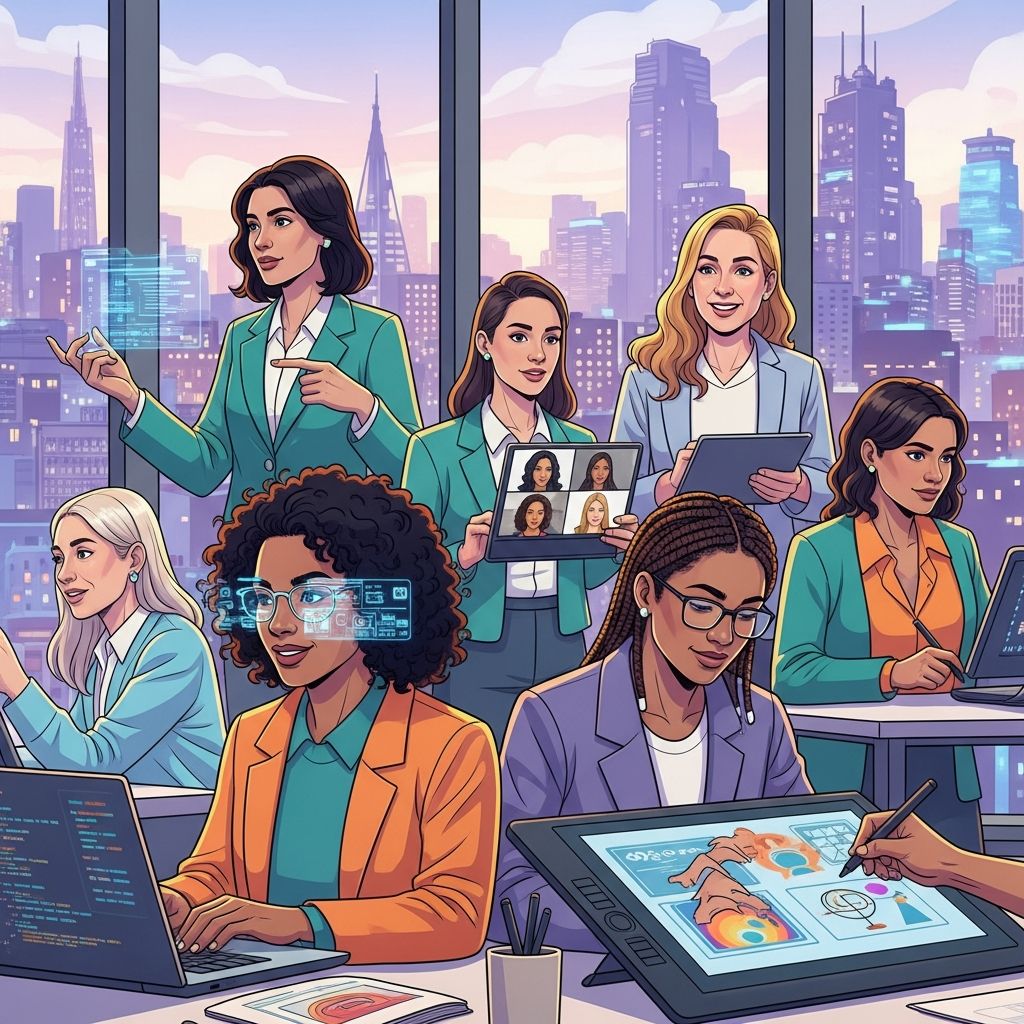
In Latin America, the internet holds immense promise as a tool for social change, economic growth, and personal empowerment. Yet, for millions of women, this promise remains unfulfilled due to persistent barriers like limited access, online harassment, and skill deficiencies. This article delves into the dynamic efforts by women and organizations across the region to redefine the digital landscape, fostering an environment where technology serves as an ally rather than an obstacle. From grassroots campaigns to policy advocacy, these initiatives are paving the way for a truly inclusive online world.
The Persistent Gender Digital Divide
Despite rapid internet expansion in Latin America, a notable gender gap endures. According to recent data, while 69% of men regularly use the internet, only 65% of women do, with disparities widening in rural and low-income areas. The Economic Commission for Latin America and the Caribbean (ECLAC) notes that for the poorest households, mobile broadband can consume up to 14% of monthly income, disproportionately affecting women who often manage family finances under tighter constraints.
This divide manifests in multiple ways. In Mexico, 63% of non-using women cite a lack of digital skills as the primary hurdle. Indigenous communities and rural dwellers face compounded challenges, lacking both infrastructure and training. Urban women, meanwhile, grapple with affordability and cultural norms that prioritize male tech usage. Closing this gap is essential not just for equity but for broader economic development, as empowered women can drive innovation and productivity.
Online Violence: A Major Deterrent to Participation
Gender-based violence in digital spaces is a critical issue stifling women’s online engagement. From harassment and doxxing to deepfakes and extortion, these threats create a hostile environment, particularly for feminists, LGBTQ+ individuals, and activists. Local human rights groups report that such attacks lead to self-censorship, limiting free expression and political mobilization.
In response, collectives are developing protective tools. Brazilian initiative MariaLab, for instance, has created manuals on securing devices against tech-facilitated abuse, especially amid rising domestic violence during lockdowns. Similarly, Argentina’s Latfem offers digital toolkits for journalists facing online threats. These resources emphasize encryption, secure communication, and rapid response strategies, helping women reclaim digital spaces.
Grassroots Innovations for Digital Safety and Access
Across Latin America, women-led projects are innovating at the intersection of gender and technology. In 2017 alone, numerous initiatives emerged, spanning feminist servers, self-managed media, and community networks. Organizations like APC have documented these efforts, highlighting how they address critical nodes in the internet ecosystem—from hardware to content creation.
- Feminist Servers: Autonomous platforms free from corporate surveillance, ensuring data sovereignty for women’s groups.
- Digital Literacy Campaigns: Workshops teaching safe browsing, privacy tools, and content creation to bridge skills gaps.
- Safer Sexting Guides: Resources from groups like Colectiva Mecha in Mexico and Chile, promoting secure intimate digital interactions.
These projects not only mitigate risks but also amplify voices, turning the internet into a tool for advocacy on reproductive rights, anti-violence campaigns, and economic justice.
Policy and Government Roles in Bridging the Gap
Governments play a pivotal role in systemic change. Successful models include Peru’s ‘Internet for All’ program, which extends connectivity to remote areas, and Costa Rica’s subsidies for devices targeting low-income women. Policymakers are urged to prioritize universal access, STEM incentives for girls, and regulations against online abuse.
Broader strategies involve public-private partnerships. For example, subsidies for broadband in underserved regions and mandatory digital education in schools can accelerate progress. The World Bank reports that household internet access in the region rose from 50.7% in 2018 to 68.4% in 2022, yet gender-targeted policies are needed to ensure equitable gains.
| Metric | Men | Women | Source |
|---|---|---|---|
| Regular Internet Use | 69% | 65% | ProFuturo / UN Data |
| Household Access (2022) | 68.4% (overall) | Lower in female-led homes | World Bank / ITU |
| Mobile Broadband Cost (% Income) | 14% (low-income) | Higher burden | ECLAC |
Emerging Frontiers: AI and Cyberfeminism
The rise of artificial intelligence presents both challenges and opportunities. Latin America’s feminist AI movement, exemplified by the Feminist AI Network, is developing tools like background check apps for safe dating and gender-sensitive legal analyzers. These innovations apply an intersectional lens, countering biases in mainstream tech.
Cyberfeminism extends to reproductive rights activism, where online platforms resist restrictive laws through networked campaigns. As one manifesto states, a feminist internet demands ‘universal, affordable, unfettered access’ as an extension of offline struggles, politicizing digital lives on women’s terms.
Success Stories: Women Leading Change
Real-world examples illustrate momentum. IM-Defensoras in Central America provides hotlines and guides against harassment, while ‘Take Back the Tech’ campaigns empower defenders. In Brazil, trans-hack-feminist spaces offer practical tech support amid authoritarian pressures. These stories underscore a vibrant ecosystem where women are not just users but architects of the internet.
Challenges persist, including funding shortages and resistance from entrenched powers. Yet, the networking tradition of Latin American feminism—evident in regional forums like the Internet Governance Forum—fuels resilience and collaboration.
FAQs: Understanding the Feminist Internet Movement
What is a feminist internet?
A feminist internet prioritizes women’s safety, access, and agency, dismantling patriarchal structures in digital spaces through equitable design and policies.
How does the gender digital divide impact Latin America?
It limits women’s economic opportunities, amplifies violence, and hinders social movements, with 89 million women offline or unaffordable access per UN estimates.
What role do governments play?
Through inclusive policies like subsidies, infrastructure expansion, and education, as seen in Peru and Costa Rica initiatives.
Can technology combat online violence?
Yes, via tools like secure manuals from MariaLab and Latfem, promoting device security and self-defense strategies.
Pathways Forward: A Call to Collective Action
Building the internet women want requires multifaceted action: investing in education, enforcing anti-violence laws, and amplifying women’s voices in tech governance. With intersectional approaches addressing race, class, and sexuality, Latin America can lead globally in digital equity. As activists emphasize, citizenizing networks ensures synchronicity between online and offline resistance, fostering a dignified digital realm for all.
The journey from imagination to action is underway, with women at the forefront. By supporting these efforts, stakeholders can unlock a future where technology empowers rather than excludes.
References
- Latin America in a Glimpse: Gender, feminism and the internet in Latin America — APC. 2018. https://www.apc.org/en/pubs/latin-america-glimpse-gender-feminism-and-internet-latin-america
- Building a Feminist Internet — Centre for International Governance Innovation (CIGI). 2023. https://www.cigionline.org/articles/building-feminist-internet/
- Closing the Gender Digital Divide in Latin America — ProFuturo Observatory (cites UN and ECLAC data). 2023. https://profuturo.education/en/observatory/approaches/cerrando-la-brecha-digital-de-genero-en-america-latina/
- The Digital Gender Divide: Women in Latin America and the Caribbean — World Bank Open Knowledge Repository. 2023. https://openknowledge.worldbank.org/entities/publication/48f286c9-d6c1-4da8-b9e8-2a2ef355adbe
- Young Latin American Women Declaration: Enabling access to the Internet — Internet Governance Forum (IGF). 2018. https://www.intgovforum.org/en/filedepot_download/16/161
Similar Articles






Read full bio of Sneha Tete