Empowering Rural Leaders with Digital Skills in Botswana
How Botswana's Internet Society chapter is bridging the digital divide for village leaders to drive sustainable rural growth.
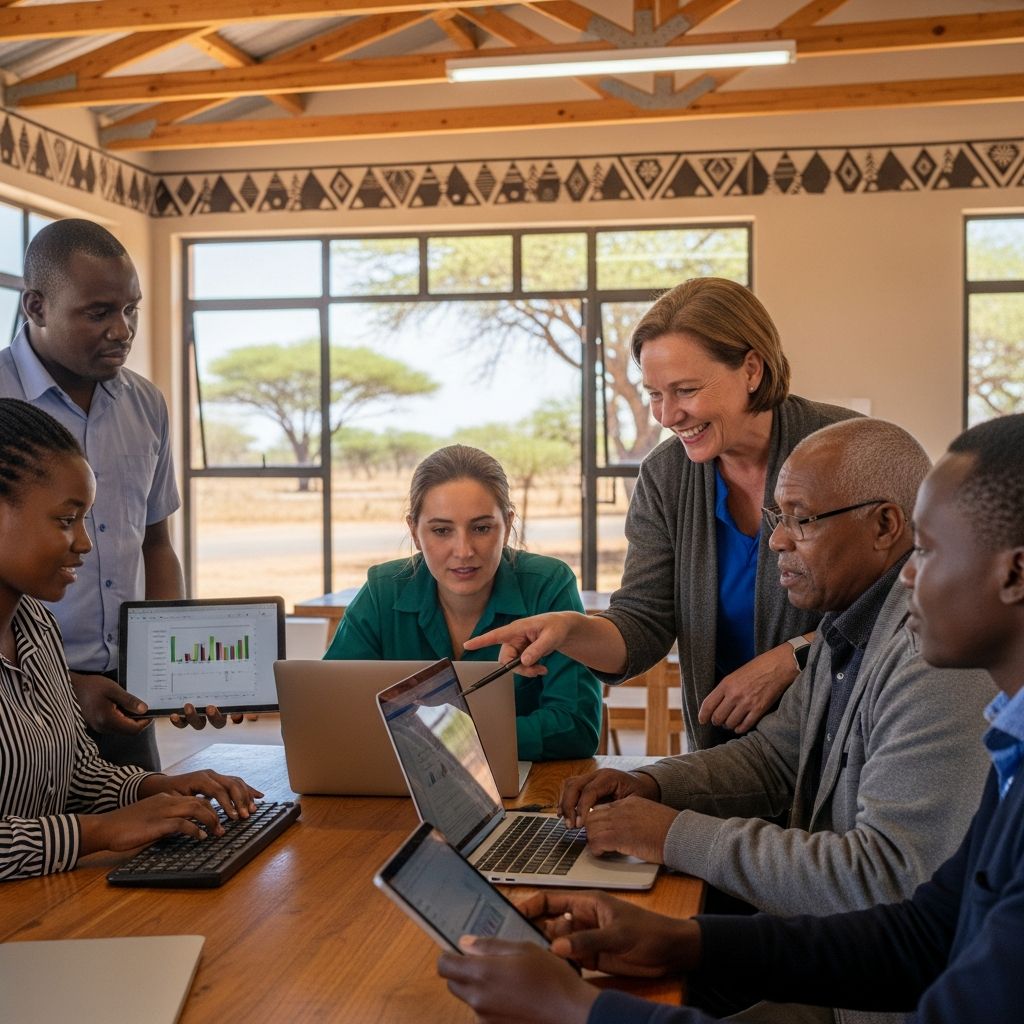
In the heart of southern Africa, Botswana stands as a beacon of stability and progress, yet its rural areas often lag behind urban centers in harnessing the power of the internet. A groundbreaking initiative by the local chapter of the Internet Society is changing this narrative by focusing on village development committee leaders. These community pillars are being equipped with vital digital competencies to foster self-reliance and innovation at the grassroots level. This program not only addresses immediate skill gaps but also lays the foundation for long-term socioeconomic advancement in underserved regions.
The Digital Divide in Rural Africa
The digital divide remains a persistent challenge across Africa, where urban dwellers enjoy high-speed internet and tech-savvy lifestyles, while rural populations struggle with basic connectivity. In Botswana, despite national efforts to expand broadband infrastructure, many villages lack reliable access and the knowledge to utilize it effectively. According to global reports, only a fraction of rural Africans engage meaningfully with digital tools, limiting their ability to access markets, education, and government services.
This gap exacerbates inequalities in education, healthcare, and economic opportunities. Village development committees, responsible for local planning and resource allocation, are particularly affected. Without digital proficiency, these leaders rely on outdated methods, hindering community progress. The initiative in question targets this core group, recognizing that empowering them can create ripple effects throughout entire villages.
Initiative Overview: Training for Transformation
The program, spearheaded by dedicated volunteers, brings hands-on digital training directly to rural settings. Participants learn practical skills such as navigating web browsers, using email for communication, conducting online research, and leveraging social media for community outreach. Sessions are interactive, tailored to real-world applications like applying for grants, monitoring weather for agriculture, or disseminating health information.
Over multiple workshops, leaders from various villages converge to build confidence in technology use. The curriculum emphasizes safety online, data privacy, and spotting misinformation—crucial in an era of rampant digital threats. By the end, participants are not just users but advocates, ready to teach others in their communities.
Key Skills Acquired and Their Impact
- Basic Navigation and Search: Mastering search engines to find agricultural tips, funding opportunities, and educational resources.
- Communication Tools: Email and messaging apps for coordinating with district offices and NGOs.
- Social Media Engagement: Platforms like Facebook for promoting local events, products, and seeking support.
- Digital Safety: Protecting personal information and verifying online content to avoid scams.
- Content Creation: Simple tools for sharing village updates via blogs or videos.
These skills translate into tangible benefits. For instance, leaders can now track livestock prices in real-time, apply for government subsidies online, and connect with extension services for farming advice. One participant noted how digital tools helped secure water project funding that was previously inaccessible due to paperwork delays.
Challenges Faced in Rural Implementation
Delivering training in remote areas is no small feat. Limited electricity, intermittent network coverage, and low device ownership pose significant hurdles. Organizers combat this by partnering with local schools for venues, using solar-powered chargers, and providing shared devices during sessions. Language barriers are addressed through vernacular explanations, ensuring inclusivity.
Moreover, cultural resistance to technology among older leaders requires patient encouragement. Success stories from early adopters help build trust. Sustainability is another concern; follow-up sessions and peer mentoring networks are planned to maintain momentum.
Broader Implications for Community Development
Beyond individual gains, the program catalyzes village-level changes. Digitally empowered committees make data-driven decisions, improving project outcomes. For example, mapping community needs via Google tools leads to better-targeted interventions in sanitation and education.
Women leaders, often underrepresented, benefit disproportionately, gaining tools to amplify their voices. This aligns with global sustainable development goals, particularly those on gender equality and reduced inequalities. Economically, digital access opens e-commerce avenues for artisans and farmers, boosting local incomes.
| Village | Participants Trained | Key Outcomes |
|---|---|---|
| Mogobane | 15 | Secured online farming grants |
| Ramotswa | 20 | Launched community Facebook group |
| Thamaga | 12 | Improved health info dissemination |
This table highlights initial results from select villages, showcasing diverse applications.
Global Context and Lessons Learned
Botswana’s effort mirrors worldwide pushes for digital inclusion. Organizations like the ITU advocate broadband as a sustainable development pillar, noting programs like Ooredoo’s in Oman that empower women similarly. OECD reports stress digital transformation’s role in development cooperation, urging capacity-building in low-connectivity areas.
Lessons from Botswana include the value of localized content, volunteer-driven models, and multi-stakeholder partnerships. Scaling up requires policy support for rural infrastructure, as per UN recommendations on digital interdependence.
Future Directions and Expansion Plans
Building on early successes, plans include advanced modules on e-governance and data analytics. Partnerships with telecoms aim to improve connectivity, while youth involvement ensures generational knowledge transfer. National recognition could secure funding for nationwide rollout.
Measuring long-term impact through metrics like increased online service uptake and economic indicators will guide refinements. Ultimately, this initiative envisions a Botswana where every village leader is digitally fluent, driving inclusive growth.
Frequently Asked Questions (FAQs)
What is the main goal of this digital literacy program?
The program aims to equip rural village development committee leaders with essential internet skills to enhance community management and access vital resources.
Who can participate in the training?
Primarily village development committee members, with priority for those from remote areas lacking prior tech exposure.
How does the program address connectivity issues?
Through mobile training units, solar tech, and collaborations with local infrastructure providers.
What measurable impacts have been observed?
Participants report faster grant approvals, better market access, and stronger community networks.
Is this initiative scalable to other countries?
Yes, its volunteer-led, practical model offers a blueprint adaptable to similar rural contexts in Africa.
References
- Development Co-operation Report 2021 — OECD. 2021-12-01. https://www.oecd.org/content/dam/oecd/en/publications/reports/2021/12/development-co-operation-report-2021_4d1131e9/ce08832f-en.pdf
- The Age of Digital Interdependence — United Nations. 2019-06-11. https://www.un.org/digital-emerging-technologies/sites/www.un.org.techenvoy/files/hlp_on_digital_cooperation-report_final.pdf
- E-Government Survey 2020 — United Nations. 2020-07-01. https://observatorioti.cuti.org.uy/wp-content/uploads/2021/05/2020-UN-E-Government-Survey-Full-Report.pdf
- Broadband as a Foundation for Sustainable Development — ITU. 2019-01-01. https://www.itu.int/dms_pub/itu-s/opb/pol/S-POL-BROADBAND.20-2019-PDF-E.pdf
- Digital Economy for Africa Country Diagnostic — World Bank. 2023-01-15. https://openknowledge.worldbank.org/bitstreams/5a7f7c3b-03ec-419f-a958-c7f3cc9960a1/download
Similar Articles








Read full bio of Sneha Tete