Empowering Nicaragua’s Future with Digital Skills
Discover how community tech hubs and targeted training are bridging the digital divide in rural Nicaragua for lasting educational impact.

In the heart of Central America, Nicaragua faces significant hurdles in achieving widespread digital inclusion. Many rural communities lack reliable internet and modern computing resources, leaving residents—especially youth—disadvantaged in an increasingly online world. Yet, innovative programs are changing this narrative by establishing tech hubs, delivering hands-on training, and weaving digital competencies into everyday education. These efforts not only equip individuals with essential skills but also pave the way for economic growth and social mobility.
The Digital Divide in Rural Nicaragua
Nicaragua’s geography plays a pivotal role in its connectivity challenges. Vast rural regions, home to indigenous groups and farming families, often endure spotty electricity and no broadband infrastructure. According to UNESCO reports, such disparities exacerbate educational inequalities, as students without digital tools fall behind in research, online learning, and skill-building.
Consider the Miskito communities in the north or coastal areas like Francia Sirpi: children here traditionally rely on outdated textbooks and limited libraries. The absence of computers means no exposure to coding, data analysis, or even basic web navigation—skills now vital for global job markets. This gap widens during crises, like pandemics, when remote learning becomes essential but inaccessible.
- Key Barriers: Poor infrastructure, high costs, low awareness of digital benefits.
- Impact on Youth: Reduced academic performance and fewer employment prospects.
- Broader Effects: Stifled community development and innovation.
Community Technology Hubs: Gateways to Opportunity
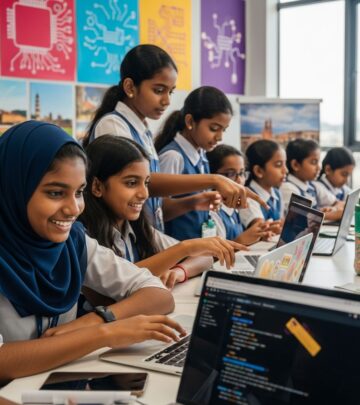
One proven strategy involves creating dedicated Digital Community Centers. In 2024, local chapters partnered with global organizations to launch such facilities in underserved villages. Equipped with stable internet, desktops, and trained facilitators, these hubs serve as vibrant learning spaces.
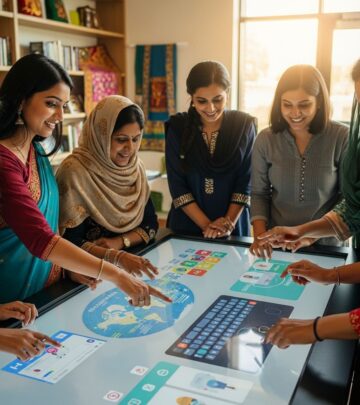
Students flock here after school to tackle homework, explore educational platforms, and experiment with software. Parents, too, attend workshops on safe internet use and basic computing. The ripple effect is profound: families report improved grades and newfound confidence in digital navigation.
| Feature | Benefits | Examples |
|---|---|---|
| High-speed Wi-Fi | Seamless access to online resources | Research for school projects |
| Computer Labs | Hands-on practice | Typing, browsing, app usage |
| Training Sessions | Skill certification | Digital safety, job tools |
Integrating Tech into Local Schools
Beyond standalone centers, embedding digital literacy in school curricula yields sustainable results. Projects like those from Elecnor Foundation have outfitted classrooms in remote areas with ICT packages, training teachers to deliver interactive lessons on culture, health, and math via free software.
In one initiative spanning six communities, nearly 4,000 people gained tech proficiency. Teachers learned to blend digital tools with traditional methods, creating hybrid models that work offline when needed. This approach ensures continuity, even in low-connectivity zones.
Youth programs emphasize maker spaces and coding clubs, fostering creativity. Imagine rural teens building simple apps or analyzing local agriculture data—skills that translate directly to employment in agrotech or tourism sectors.
Partnerships Driving Inclusive Progress
No single entity can bridge this divide alone. Collaborations between NGOs, governments, and tech firms amplify impact. For instance, Team4Tech’s work with CREA Nicaragua weaves computer literacy across age groups, including libraries and youth development.
South-South cooperation, highlighted by UN initiatives, introduces accessible digital textbooks. These responsive resources adapt to any device, supporting students with disabilities through interactive science content. By 2023, such projects had transformed hybrid learning in rural schools.
“Digital inclusion isn’t just about devices; it’s about empowering communities to shape their futures.” – Inspired by UNESCO rural education efforts.
Measuring Success and Long-Term Gains
Early metrics are encouraging. Participants in new tech centers show 20-30% improvements in digital proficiency tests, mirroring global studies like those from Oxford’s Blavatnik School. A Peruvian experiment found that just five months of home internet boosted internet literacy by 0.3 standard deviations—evidence that access alone sparks growth when paired with guidance.
In Nicaragua, centers report higher school attendance and parental involvement. Graduates pursue certifications in digital marketing or remote freelancing, injecting income into local economies. Yet challenges persist: sustaining funding and expanding to more regions.
- Sustained Funding: Grants from bodies like Internet Society Foundation.
- Teacher Upskilling: Ongoing workshops.
- Infrastructure: Solar-powered solutions for remote sites.
Challenges Ahead and Solutions
Persistent issues include affordability and cultural resistance. Not everyone sees value in tech amid daily survival needs. Solutions? Tailored outreach: workshops in local languages, tying digital skills to immediate benefits like market price apps for farmers.
Gender gaps also loom—girls often prioritize household duties. Inclusive programs counter this with women-only sessions and role models. Infrastructure hurdles demand creative fixes, like community-shared hotspots.
Global Lessons from Nicaragua’s Model
Nicaragua’s story offers blueprints for other developing nations. Scalable models from PEAD projects emphasize leader training and business plans for self-funding hubs. Blavatnik research underscores: combine access with education for maximum effect.
Historically, Nicaragua’s 1980s literacy campaign mobilized a nation, slashing illiteracy by over 37%. Today’s digital push builds on that legacy, adapting to the internet era.
FAQs on Digital Literacy in Nicaragua
What sparked the recent digital centers?
2024 grants from organizations like Internet Society enabled the first community hubs, addressing long-standing access gaps.
How do these programs help jobs?
Trainees gain skills for freelancing, e-commerce, and tech support, boosting employability in growing sectors.
Are they sustainable?
Yes, via local management, solar tech, and revenue from services like printing or courses.
What’s next for expansion?
Plans include 10 more centers by 2026, plus national teacher training.
Can outsiders contribute?
Volunteering, donations, or partnerships through NGOs like CREA are welcome.
Conclusion: A Connected Tomorrow
Nicaragua’s digital literacy surge is more than infrastructure—it’s a catalyst for equity. By prioritizing youth, schools, and communities, these initiatives ensure no one is left offline. As connectivity spreads, expect empowered generations driving innovation, from sustainable farming apps to global collaborations. The journey continues, but the foundation is solid.
References
- Transforming rural education in Nicaragua: Rural and Inclusive Digital Education Project — UNESCO. 2023-11-30. https://www.unesco.org/en/articles/transforming-rural-education-nicaragua-rural-and-inclusive-digital-education-project-advances
- Social Infrastructure: Emprendiendo y Aprendiendo en Digital project — Elecnor Foundation. 2017-06. https://fundacionelecnor.com/en/social_infrastructure-starting-out-and-learning-in-digital-nicaragua.aspx
- Building a Culture of Learning and Literacy in Rural Nicaragua — Team4Tech. 2024-02. https://team4tech.org/2024/02/crea-nicaragua/
- Fostering digital skills in developing countries – what works? — Blavatnik School of Government, University of Oxford. 2022-07. https://www.bsg.ox.ac.uk/sites/default/files/2022-08/2022-07-Fostering-digital-skills-Archita-Misra.pdf
- Advancing Inclusive Education through South-South Cooperation in Nicaragua — United Nations Office for South-South Cooperation. 2024-11-04. https://unsouthsouth.org/2024/11/04/advancing-inclusive-education-through-south-south-cooperation-in-nicaragua/
Similar Articles








Read full bio of Sneha Tete