Empowering Local Heroes: Building Community Internet Networks
Discover how everyday people are transforming unconnected communities into vibrant digital hubs through grassroots Internet initiatives.
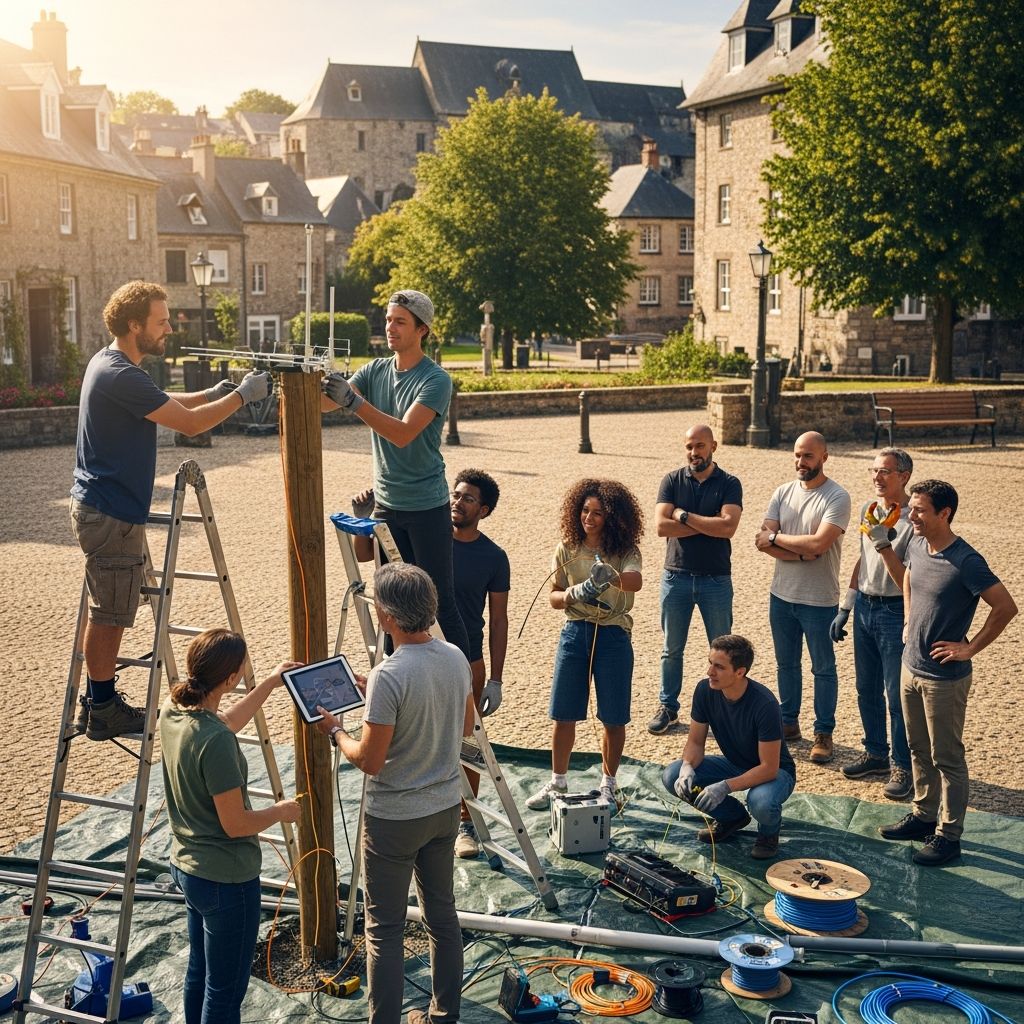
In an era where digital connectivity shapes opportunities, millions still lack reliable Internet access. Traditional providers often overlook remote villages, dense urban slums, and isolated regions due to high costs or low profitability. Enter community networks: grassroots initiatives where ordinary residents take charge, deploying their own infrastructure to deliver affordable, resilient connectivity. These efforts not only close the digital divide but also cultivate skills, spark innovation, and strengthen social bonds.
The Digital Divide: A Global Challenge Demanding Local Solutions
The gap between connected and unconnected populations persists despite technological advances. According to the International Telecommunication Union (ITU), over 2.6 billion people—roughly one-third of the world’s population—remained offline as of recent reports. Rural areas, low-income neighborhoods, and indigenous territories bear the brunt, facing barriers like terrain challenges, economic constraints, and regulatory hurdles.
Commercial telecom giants prioritize high-density, profitable zones, leaving margins underserved. This creates a vicious cycle: without Internet, communities miss education, healthcare, and economic prospects, perpetuating poverty. Community networks disrupt this by leveraging local knowledge and resources, proving that sustainable access is achievable without massive corporate investment.
What Makes Community Networks Unique?
Unlike top-down deployments, community networks are owned, operated, and maintained by the very people they serve. This bottom-up model emphasizes:
- Local Ownership: Residents invest time, labor, and sometimes funds, ensuring long-term commitment.
- Affordability: Costs are shared, making service cheaper than commercial alternatives.
- Resilience: Networks adapt to local needs, from disaster-prone zones to nomadic groups.
- Skill Development: Participants gain technical expertise, from installing antennas to troubleshooting routers.
These networks often use open-source technologies like wireless mesh systems, TV white space, or fiber optics, scalable from a few households to entire towns.
Real-World Success Stories from Around the Globe
From Latin America’s rainforests to Africa’s savannas and Asia’s mountains, community networks thrive. In Colombia’s Guaviare region, indigenous groups established a mesh network spanning 1,200 square kilometers, connecting 20 communities. Locals trained as technicians now manage solar-powered towers, enabling remote learning and telemedicine.
In rural India, the Digital Empowerment Foundation supports village networks using Wi-Fi and low-cost devices, reaching over 100,000 users. These setups stream education content and facilitate e-commerce, boosting local economies.
Europe isn’t immune; Greece’s Sarantaporo.gr network in Thessaly links mountain villages bypassed by providers. Operated by volunteers, it supports 1,000+ households with speeds rivaling urban broadband, fostering online businesses and cultural preservation.
These examples illustrate a pattern: motivated individuals, collaborative funding, and simple tech overcome isolation.
Key Ingredients for Launching Your Community Network
Building a network starts with vision but requires planning. Here’s a step-by-step blueprint:
- Assess Needs: Survey the community for demand, mapping unserved areas and potential users.
- Form a Core Team: Recruit tech-savvy locals, leaders, and learners for diverse input.
- Secure Spectrum and Permissions: Partner with regulators for unlicensed frequencies or low-cost licenses.
- Choose Tech Stack: Opt for affordable, open hardware like Ubiquiti gear or LibreMesh routers.
- Fund It: Crowdfund, seek grants from orgs like Internet Society, or form cooperatives.
- Train and Deploy: Hands-on workshops ensure sustainability.
- Scale and Maintain: Monitor usage and expand iteratively.
A simple cost table for a pilot serving 100 homes:
| Component | Estimated Cost (USD) |
|---|---|
| Wireless Routers (20 units) | 1,000 |
| Access Points & Antennas | 2,500 |
| Solar Power Setup | 1,200 |
| Training & Tools | 800 |
| Total | 5,500 |
Monthly ops: ~$50, recouped via micro-subscriptions.
Overcoming Common Hurdles
Challenges abound, but solutions exist. Regulatory red tape? Engage local governments early, highlighting public benefits. Technical skills gap? Free online courses from Mozilla or Internet Society fill it fast. Funding shortages? Blend donations, member fees, and impact investments.
Security is vital: Implement WPA3 encryption and firewalls. Sustainability hinges on governance—clear rules prevent elite capture, ensuring equitable access.
The Ripple Effects: Transforming Lives and Economies
Beyond bits and bytes, these networks catalyze change. Students access Khan Academy, farmers check crop prices via apps, entrepreneurs sell globally. In Detroit’s urban deserts, wireless coalitions revived neighborhoods, slashing unemployment.
Socially, they preserve languages through digital archives and enable virtual town halls. Economically, each connected user generates $1,000+ in annual value, per World Bank estimates, amplifying GDP in underserved areas.
Resources and Support for Aspiring Builders
You’re not alone. The Internet Society’s Community Networks guide offers blueprints; their chapters provide mentorship. Tools like OpenWRT enable customization, while forums like communitynetworks.org connect global pioneers.
Grants from USAID or EU programs target digital inclusion. Join hackathons or webinars to accelerate your project.
FAQs: Your Community Network Questions Answered
Q: Do I need advanced tech skills?
A: No—start with basics; training builds expertise quickly.
Q: How much does it cost per user?
A: Often $5-10/month, far below commercial rates.
Q: Can it support video streaming?
A: Yes, with proper backhaul; many handle Zoom and YouTube.
Q: What about legal issues?
A: Use unlicensed spectrum or apply for community licenses—many countries facilitate this.
Q: How to sustain it long-term?
A: Cooperatives with tiered fees and volunteer rotations work best.
Call to Action: Become a Connectivity Champion
The Internet was born decentralized; community networks revive that spirit. If your area lacks service, rally neighbors, study resources, and build. One tower changes everything—education flows, businesses bloom, voices amplify. Join thousands worldwide proving anyone can forge digital futures.
References
- Measuring digital development: Facts and figures 2023 — International Telecommunication Union (ITU). 2023-12-07. https://www.itu.int/itu-d/reports/statistics/2023/10/10/ff23-internet/
- A Policy Framework for Enabling Internet Access — Internet Society. 2016-09-20. https://www.itu.int/en/Lists/consultationFeb2016/Attachments/45/Internet%20Society%20Contribution%20to%20the%20ITU%20CWG-Internet%20Online%20Open%20Consultation%202016.09.20.pdf
- Community Networks: The report — Internet Society. 2016. https://www.internetsociety.org/wp-content/uploads/2016/12/Community-Networks-EN.pdf
- World Development Report 2016: Digital Dividends — World Bank. 2016-05-01. https://www.worldbank.org/en/publication/wdr2016
Similar Articles







Read full bio of Sneha Tete