Empowering Africa’s Internet Through Expert Network Operators
How skilled network operators and targeted training programs are driving sustainable Internet growth and digital inclusion across Africa.
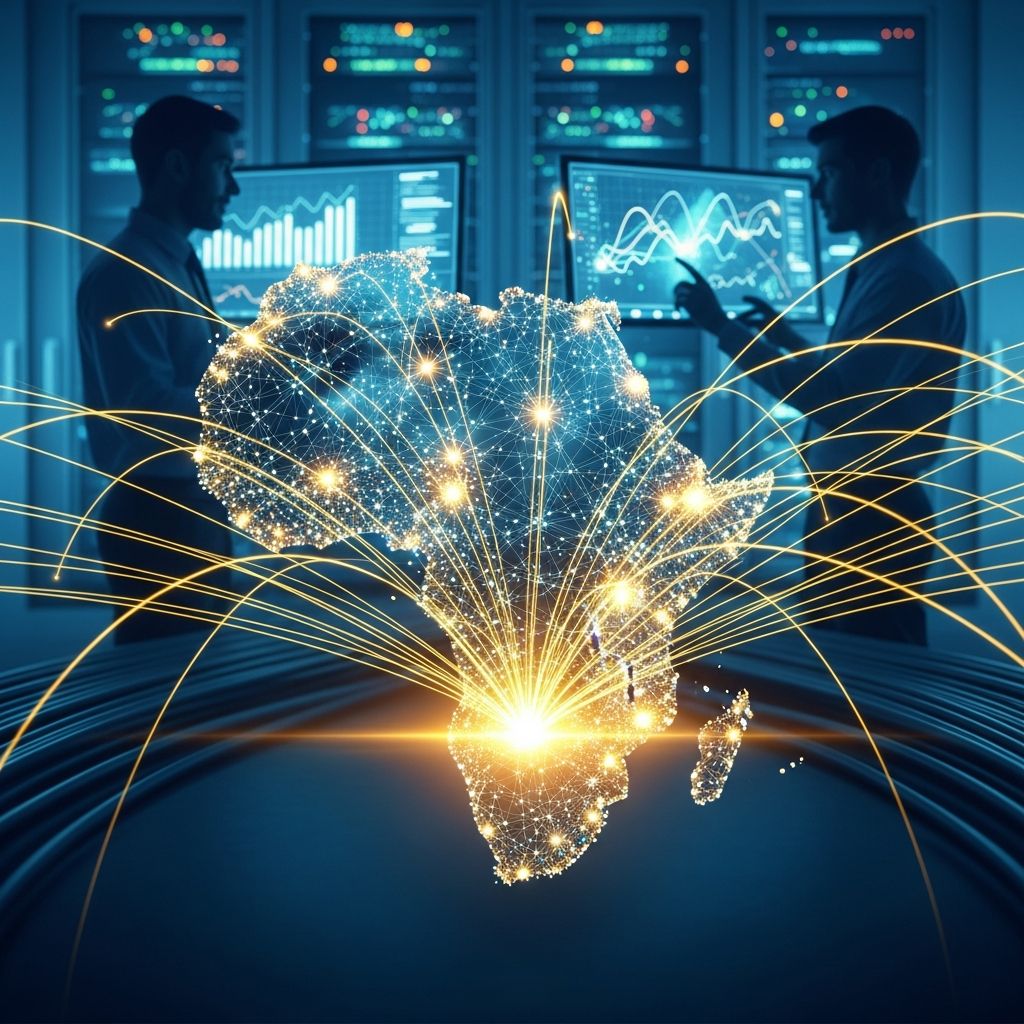
The rapid evolution of digital technologies has positioned Africa as a dynamic player in the global Internet landscape. At the heart of this transformation are network operators—skilled professionals who design, maintain, and optimize the infrastructure that powers online connectivity. By investing in their expertise, organizations are laying the groundwork for robust, scalable Internet ecosystems that can support economic growth, education, and social services. This article delves into the pivotal role of these operators, key training initiatives, and their lasting impact on Africa’s digital future.
The Critical Need for Skilled Professionals in African Networks
Africa’s Internet penetration has surged in recent years, yet challenges like limited bandwidth, high latency, and uneven infrastructure persist. According to World Bank reports, connecting universities and communities to high-speed broadband is essential for achieving digital economy goals. Network operators bridge this gap by implementing best practices in routing, security, and traffic management.
Without local expertise, many African networks rely on foreign consultants, leading to dependency and inflated costs. Local operators, trained in regional contexts, can tailor solutions to unique challenges such as power instability and geographic sprawl. Programs fostering these skills not only reduce expenses but also spur innovation, like deploying cost-effective fiber optics in rural areas.
Key Initiatives Driving Capacity Building
Several collaborative efforts are amplifying the capabilities of African network professionals. The African Network Operators Group (AfNOG) stands out as a cornerstone, offering hands-on workshops on IPv6 deployment, peering strategies, and cybersecurity. These events gather hundreds of participants annually, creating networks of knowledge-sharing.
- AfNOG Fellowships: These provide travel, accommodation, and mentorship for emerging leaders, with a deliberate emphasis on including women to address gender imbalances in tech.
- National NOGs: Groups in countries like Nigeria (ngNOG), Rwanda, Ghana, and Somalia host localized events on topics from optical fiber to campus networks.
- Regional Support: Southern Africa NOG (SafNOG) focuses on sub-regional issues like undersea cable integration.
Financial backing from global entities has been instrumental. For instance, contributions to AfNOG have enabled expanded programming, ensuring sustainability.
Women in the Network Operator Space: Breaking Barriers
Gender diversity is a game-changer for Africa’s tech sector. Initiatives prioritizing female participation in fellowships have led to increased representation. Trained women operators are not only excelling in technical roles but also mentoring the next generation, fostering inclusive environments. This shift counters historical underrepresentation and harnesses untapped talent for broader impact.
From Training to Real-World Infrastructure Gains
Capacity building translates directly into tangible upgrades. Trained operators have optimized international bandwidth usage, reducing reliance on expensive satellite links. Studies highlight how local content hosting, enabled by skilled peering, cuts latency and boosts user experience.
| Country | Key NOG Activity | Impact |
|---|---|---|
| Nigeria (ngNOG) | Annual conferences on resource management | Improved ISP efficiency and local IXP growth |
| Rwanda | Skills gap bridging workshops | Expanded national fiber backbone |
| Somalia | Technical capacity platforms | Enhanced Internet service reliability |
| Ghana | Optical fiber and LMS trainings | Better educational connectivity |
These examples illustrate how targeted education yields measurable results, from faster rural broadband to resilient urban networks.
Overcoming Persistent Challenges
Despite progress, hurdles remain. Unoccupied spectrum underutilization hampers broadband expansion, as noted in policy-technology analyses. Power outages and funding shortages also impede deployment. Network operators counter these by advocating for spectrum reforms and hybrid solar-powered solutions.
Government strategies, like Kenya’s National Broadband Strategy, emphasize capacity building as a pillar. Integrating technical training into national digital plans ensures long-term alignment.
The Broader Economic and Social Ripple Effects
Robust Internet infrastructure catalyzes e-commerce, telemedicine, and edtech. In agriculture-dependent economies, real-time data access empowers farmers. World Bank initiatives underscore university connectivity’s role in research and innovation, positioning Africa competitively.
By 2026, projections suggest that skilled operators could double Internet speeds in underserved areas, unlocking billions in GDP value.
Future Directions for Sustainable Growth
Looking ahead, scaling NOG activities through online platforms and public-private partnerships will be key. Emphasizing emerging tech like 5G and edge computing in curricula prepares operators for tomorrow’s demands. International collaboration, minus dependency, remains vital.
Frequently Asked Questions
What is AfNOG and why is it important?
AfNOG is a regional forum for network operators to share knowledge and best practices, crucial for Africa’s independent Internet evolution.
How do fellowships support women in tech?
They offer scholarships, mentorship, and networking, directly tackling gender gaps and promoting diverse leadership.
What infrastructure improvements result from these programs?
Outcomes include better peering, local content caching, and efficient spectrum use, lowering costs and enhancing speeds.
Which countries have active national NOGs?
Active groups exist in Rwanda, Sudan, Ghana, Nigeria, Tanzania, Angola, and Somalia, plus regional bodies like SafNOG.
How can one get involved in these initiatives?
Participate in events, join mailing lists, or apply for fellowships via official NOG websites.
References
- Connecting Africa Through Broadband — Broadband Commission. 2023. https://www.broadbandcommission.org/Documents/working-groups/DigitalMoonshotforAfrica_Report.pdf
- Connecting Africa’s Universities to Affordable High-Speed Broadband — World Bank. 2023. https://openknowledge.worldbank.org/server/api/core/bitstreams/58afc1f2-77c7-5aff-927f-cb2350ff8690/content
- Digital Skills and Capacity Development in Africa — DiploFoundation. 2023. https://www.diplomacy.edu/resource/report-stronger-digital-voices-from-africa/digital-skills-capacity-development-africa/
- Network Operators Groups in Africa Share Their Stories — Internet Society. 2017-07-12. https://www.internetsociety.org/blog/2017/07/network-operators-groups-in-africa-share-their-stories/
- Unlocking the Potential of Unoccupied Spectrum in Developing Countries — Taylor & Francis (Development Southern Africa). 2016. https://www.tandfonline.com/doi/full/10.1080/0376835X.2016.1259985
Similar Articles





Read full bio of Sneha Tete