Empowering Africa’s Digital Future Through NOG Training
How Internet Society's partnerships with Network Operators Groups are building essential Internet skills across Africa to drive connectivity and innovation.
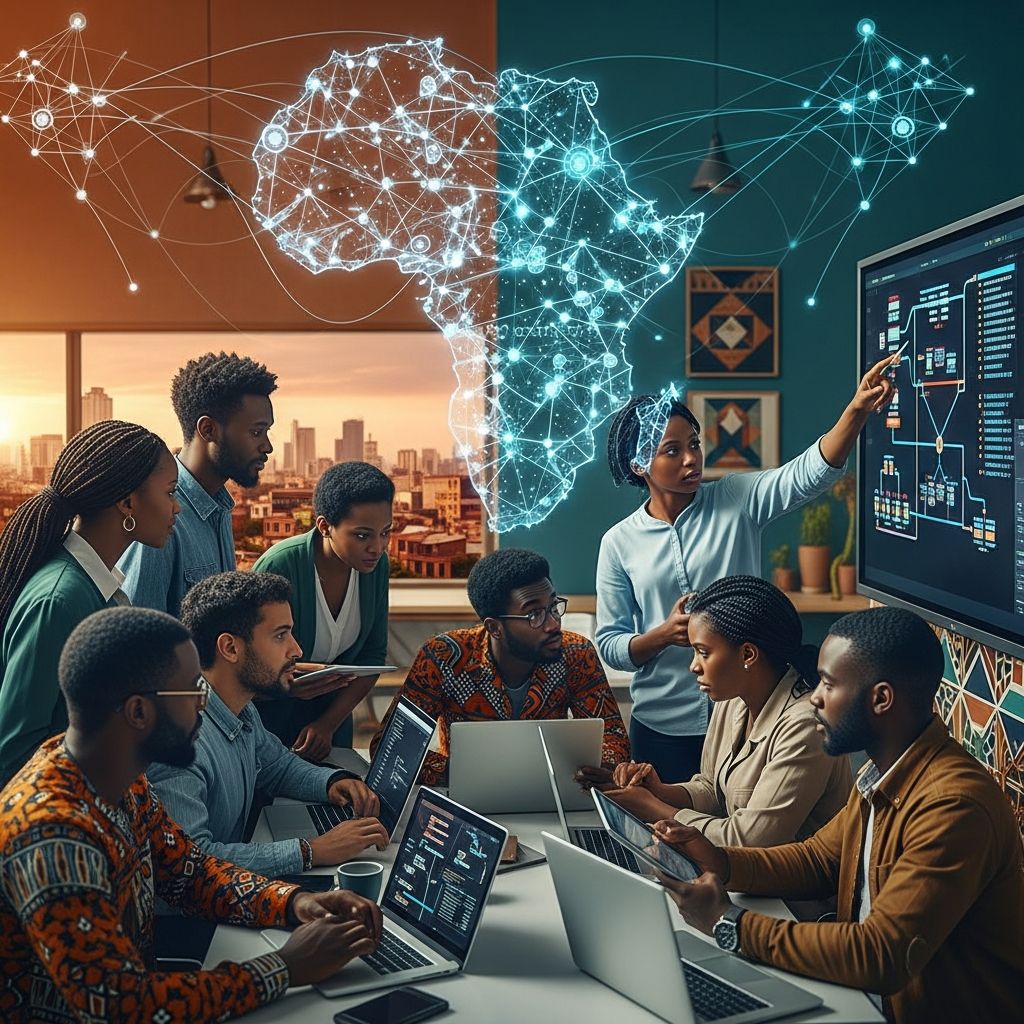
The rapid expansion of Internet infrastructure across Africa presents both unprecedented opportunities and significant challenges. As connectivity spreads, the demand for skilled professionals capable of designing, operating, and maintaining networks has skyrocketed. Recognizing this, the Internet Society has positioned itself as a key player in capacity building, forging strategic alliances with Network Operators Groups (NOGs) to deliver targeted training programs. These initiatives are not just about teaching technical skills; they aim to cultivate a self-sustaining ecosystem of expertise that propels the continent’s digital transformation.
The Critical Need for Digital Expertise in Africa
Africa stands at the cusp of a digital revolution. Projections indicate that by 2030, over 230 million jobs in Sub-Saharan Africa alone will demand digital competencies, according to reports from leading development organizations.1 Yet, the current talent pool falls woefully short. Many countries lack sufficient numbers of trained network engineers, leading to inefficiencies, high costs, and stalled projects like Internet Exchange Points (IXPs) and broadband expansions.
This skills deficit hampers economic growth, limits innovation, and exacerbates the digital divide. Rural areas, in particular, suffer from poor connectivity due to inadequate local expertise. NOGs—community-driven forums of network operators, engineers, and policymakers—emerge as vital platforms to address these gaps. They facilitate knowledge exchange, hands-on workshops, and policy discussions tailored to regional needs.
Internet Society’s Strategic Support for Regional NOGs
The Internet Society’s commitment to Africa is multifaceted, involving financial grants, technical assistance, and program development. Since the early 2010s, it has channeled resources into both regional and national NOGs, enabling them to host workshops and training sessions that reach thousands.
- AfNOG (African Network Operators Group): As the flagship regional body, AfNOG has benefited from substantial investments, including a landmark $150,000 donation to enhance its Network Technology Workshops. These events focus on IPv6 deployment, routing security, and peering strategies—skills essential for modern networks.
- SafNOG (Southern Africa NOG): Supported since its inception, SafNOG conducts trainings in countries like South Africa and Zimbabwe, emphasizing practical skills for community networks.
- National Initiatives: Emerging groups in nations such as Nigeria (ngNOG), Rwanda, Ghana, Tanzania, Angola, Sudan, and even Somalia have received seed funding and expertise to launch local events.
These partnerships have resulted in over 30 training events across 15+ countries, impacting more than 1,800 engineers by 2016, with numbers growing exponentially thereafter.2
Landmark Training Programs and Their Impact
One cornerstone of these efforts is the Introduction to Network Operations online course, launched in 2015. Designed for novice and intermediate engineers, it covers core topics like Unix basics, DNS management, networking fundamentals, and Internet services deployment. Initially English-only, it has since expanded to local languages and a ‘train-the-trainer’ model, empowering alumni to instruct others.
By 2020, over 4,000 participants had completed moderated sessions blending theory with hands-on labs. This scalability has been crucial, allowing remote access in underserved areas. Feedback highlights improved job readiness: graduates report deploying IXPs, securing networks, and mentoring peers.
| Program | Trainees Reached | Countries Involved | Focus Areas |
|---|---|---|---|
| AfNOG Workshops | 2,500+ | 20+ | Routing, IPv6, Security |
| Online Network Ops Course | 4,000+ | All Africa | Unix, DNS, Deployment |
| National NOG Events | 1,800+ | 15+ | Local IXPs, Peering |
| Train-the-Trainer | 500+ | 10+ | Instructor Development |
In Somalia, for instance, the nascent NOG has used this support to build capacities amid challenging environments, hosting workshops on eLearning platforms in Somali.3
Promoting Gender Inclusion in Tech Training
A notable evolution in these programs is the emphasis on women’s participation. Historically underrepresented in networking fields, African women now benefit from targeted fellowships and scholarships. AfNOG’s initiatives, backed by Internet Society, prioritize female applicants, resulting in increased attendance at workshops.
This focus aligns with broader goals: diverse teams drive innovation and ensure inclusive Internet growth. Quotes from participants underscore the transformation: ‘These trainings opened doors I didn’t know existed,’ shared a Nigerian ngNOG alumna now leading her country’s IXP operations.
Expanding Beyond Training: Building Ecosystems
Internet Society’s work extends to institutional strengthening. Collaborations with AFRINIC (African Registry for Internet Numbers) train on IPv6 adoption and resource management, critical as Africa transitions from IPv4 scarcity.4 Community networks in Kenya, Uganda, Nigeria, and elsewhere receive Beyond the Net grants, blending skills training with deployment.
By 2022, pledges for accelerated access included hands-on support in 10+ countries, fostering IXPs that reduce latency and costs.5
Challenges and Pathways Forward
Despite progress, hurdles remain: language barriers, funding sustainability, political instability, and the need for advanced courses. Internet Society addresses these through phased expansions—Phase 2 online modules target routing protocols and cybersecurity.
Future goals include 5,000 annual trainees by 2026, localized content, and metrics tracking like IXP establishments and IPv6 uptake. Partnerships with universities and governments will embed these skills in curricula.
Real-World Success Stories
RwandaNOG: From startup to hosting annual conferences, it has trained 300+ engineers, contributing to national broadband targets.
ngNOG Nigeria: Leveraging online support, it scaled to multi-city events, boosting Lagos’ Internet hub status.
SafNOG: Key in establishing IXPs in Namibia and Ethiopia, enhancing regional peering.
These stories illustrate a multiplier effect: trained engineers train others, creating resilient networks.
FAQs: Internet Skills Training in Africa
Q: What are NOGs and why do they matter?
A: Network Operators Groups are forums for sharing expertise on Internet operations. In Africa, they localize global best practices, accelerating infrastructure development.
Q: How does Internet Society fund these programs?
A: Through direct grants (e.g., $150K to AfNOG), Beyond the Net funding, and technical aid via NSRC (Network Startup Resource Center).
Q: Who can participate in the trainings?
A: Open to engineers, operators, students, and policymakers at all levels; many prioritize women and underserved regions.
Q: What skills are taught?
A: Essentials like networking, DNS, Unix, plus advanced topics in security, IPv6, and IXP management.
Q: How has this impacted Africa’s Internet?
A: Led to new IXPs, better peering, IPv6 rollout, and thousands of skilled professionals driving connectivity.
Conclusion: A Connected Africa Beckons
The Internet Society’s NOG partnerships exemplify strategic philanthropy in action. By investing in people, they unlock Africa’s digital potential—fueling economies, empowering communities, and ensuring an open Internet for all. As demand surges, sustained collaboration will be key to realizing a fully connected continent.
References
- Leading from the Front: How the Internet Society’s Training Efforts Are Helping to Upskill Africa’s Future Digital Champions — Internet Society. 2020-11-01. https://www.internetsociety.org/blog/2020/11/leading-from-the-front-how-the-internet-societys-training-efforts-are-helping-to-upskill-africas-future-digital-champions/
- Skilled African Network Operators to Boost Their Continent’s Internet Development — Internet Society. 2016-01-01. https://www.internetsociety.org/blog/2016/01/skilled-african-network-operators-to-boost-their-continents-internet-development/
- Network Operators Groups in Africa Share Their Stories — Internet Society. 2017-07-01. https://www.internetsociety.org/blog/2017/07/network-operators-groups-in-africa-share-their-stories/
- Africa Needs Its Internet Institutions More Than Ever, Especially AFRINIC — Internet Society. 2018-11-01. https://www.internetsociety.org/blog/2018/11/africa-needs-its-internet-institutions-more-than-ever-especially-afrinic/
- The Internet Society Pledges to Expand Internet Access in Africa — Internet Society. 2022-01-01. https://www.internetsociety.org/news/press-releases/2022/the-internet-society-pledges-to-expand-internet-access-in-africa/
Similar Articles







Read full bio of Sneha Tete