Edge Computing Explained
Discover how edge computing revolutionizes data processing by bringing computation closer to data sources for unmatched speed and efficiency.
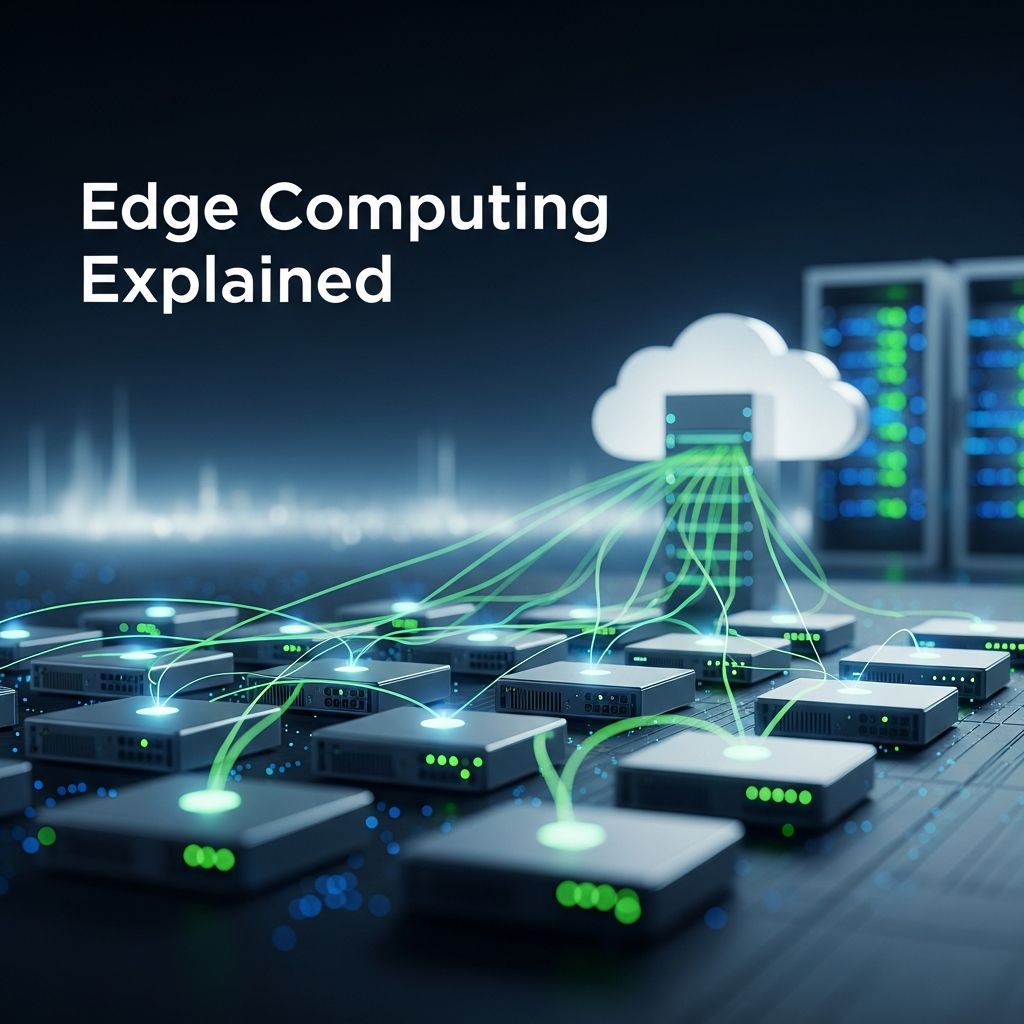
Edge computing represents a transformative approach in modern IT infrastructure, shifting data processing from distant centralized servers to locations proximate to where data originates. This paradigm enables organizations to handle vast streams of information with unprecedented speed and reliability, addressing the limitations of traditional cloud architectures in an era of explosive data growth.
The Core Principles of Edge Computing
At its heart, edge computing decentralizes computational tasks, positioning them at the network’s periphery. Rather than routing every piece of data through expansive networks to remote data centers, processing occurs locally—on devices, gateways, or nearby servers. This method minimizes transmission distances, which is crucial in environments where milliseconds matter.
Key principles include:
- Proximity to Data Sources: Computation happens where data is generated, such as sensors in factories or cameras in smart cities.
- Real-Time Analytics: Immediate analysis allows for instant decision-making without waiting for cloud round-trips.
- Resource Optimization: Only aggregated or critical data travels to central systems, easing network congestion.
This distributed model leverages advancements in hardware like powerful edge devices and efficient software stacks to perform complex tasks autonomously.
Why Edge Computing Matters Today
The proliferation of Internet of Things (IoT) devices, projected to exceed 75 billion by 2025 according to industry forecasts, has overwhelmed conventional networks. Traditional setups struggle with the volume, velocity, and variety of data produced by these devices. Edge computing alleviates this by filtering and processing data on-site, ensuring scalability and performance.
Moreover, in bandwidth-constrained or intermittent connectivity scenarios—think remote oil rigs or disaster zones—edge solutions provide resilience. They enable operations to continue seamlessly, syncing data when connections restore.
Key Advantages Over Traditional Models
Edge computing offers distinct benefits that enhance operational efficiency across sectors:
- Latency Reduction: By eliminating long-haul data transfers, response times drop from seconds to milliseconds, vital for applications like augmented reality or robotic surgery.
- Bandwidth Savings: Local processing cuts data transmission by up to 90% in some cases, lowering costs and freeing capacity for essential traffic.
- Enhanced Security: Sensitive data stays closer to its origin, reducing exposure during transit and enabling localized encryption and threat detection.
- Improved Reliability: Independence from central clouds means fewer single points of failure, with offline capabilities ensuring continuity.
These advantages translate to tangible business outcomes, such as cost reductions and competitive edges in time-sensitive markets.
Edge Computing in Action: Real-World Applications
Industries worldwide are adopting edge computing to unlock new capabilities. In manufacturing, sensors on assembly lines detect anomalies in real-time, preventing downtime and optimizing production flows. For instance, predictive maintenance systems analyze vibration data locally to forecast equipment failures.
In healthcare, wearable devices process vital signs at the edge, alerting medical staff instantly to irregularities without cloud dependency. Retail leverages it for personalized in-store experiences, where cameras and beacons analyze shopper behavior to adjust pricing or promotions dynamically.
Autonomous vehicles exemplify edge prowess: onboard computers process lidar and camera feeds for split-second navigation decisions, far beyond what remote servers could achieve.
| Industry | Edge Use Case | Benefit |
|---|---|---|
| Manufacturing | Equipment Monitoring | Zero-Downtime Operations |
| Healthcare | Patient Monitoring | Instant Alerts |
| Retail | Customer Analytics | Personalized Experiences |
| Transportation | Self-Driving Cars | Safe Navigation |
Edge vs. Cloud: A Comparative Analysis
While cloud computing excels in massive scalability and storage, it falters in latency-sensitive scenarios. Edge complements the cloud through a hybrid model: edge handles immediate tasks, cloud manages long-term analytics and storage.
- Cloud Strengths: Unlimited resources, AI training, global reach.
- Edge Strengths: Speed, privacy, offline functionality.
- Hybrid Sweet Spot: Edge for action, cloud for insight.
This synergy maximizes efficiency, as seen in smart cities where edge nodes process traffic data locally, feeding summaries to cloud platforms for urban planning.
Technical Foundations and Implementation
Deploying edge computing requires robust hardware and software ecosystems. Edge devices range from microcontrollers in sensors to rugged servers in harsh environments. Containers and serverless functions enable lightweight, portable applications.
Orchestration tools like Kubernetes extensions manage distributed edge clusters, ensuring seamless updates and scaling. 5G networks further amplify edge potential with ultra-low latency and high throughput.
Challenges include standardization, security across heterogeneous devices, and managing data consistency in dynamic environments. Solutions involve zero-trust architectures and AI-driven orchestration.
The Future Trajectory of Edge Computing
Looking ahead, edge computing will integrate deeply with AI and machine learning, enabling on-device inferencing for smarter, autonomous systems. Advancements in chip technology, like neuromorphic processors, promise even greater efficiency.
Edge-to-cloud meshes will evolve into fluid computing fabrics, dynamically allocating workloads based on context. Regulatory pushes for data sovereignty will accelerate adoption, particularly in Europe and Asia.
By 2030, edge is expected to process over 50% of enterprise data, per analyst predictions, reshaping digital infrastructure profoundly.
Frequently Asked Questions
What exactly defines the ‘edge’ in computing?
The edge refers to any point in the network close to data generation or consumption, including user devices, local servers, or network gateways.
Can edge computing operate without internet?
Yes, many edge setups function offline, processing data locally and syncing when connectivity returns, ideal for remote applications.
How does edge improve security?
By minimizing data transit, edge reduces breach risks; local processing also allows for immediate threat detection and compliance with regional laws.
Is edge computing cost-effective?
Absolutely—lower bandwidth use and efficient resource allocation cut operational expenses significantly over time.
What roles do 5G and edge play together?
5G provides the high-speed, low-latency backbone that unlocks edge’s full potential, enabling massive IoT deployments.
References
- What Is Edge Computing? — Intel. 2024-05-01. https://www.intel.com/content/www/us/en/learn/what-is-edge-computing.html
- What is Edge Computing? — Amazon Web Services. 2025-03-15. https://aws.amazon.com/what-is/edge-computing/
- What Is Edge Computing? — Microsoft Azure. 2024-11-20. https://azure.microsoft.com/en-us/resources/cloud-computing-dictionary/what-is-edge-computing
- What Is Edge Computing? — IBM. 2025-01-10. https://www.ibm.com/think/topics/edge-computing
Similar Articles






Read full bio of Sneha Tete