Digital Bridges: Safeguarding Heritage in Honduras
How rural Honduran communities harness internet tools to bridge digital gaps and immortalize their cultural legacies through innovative projects.
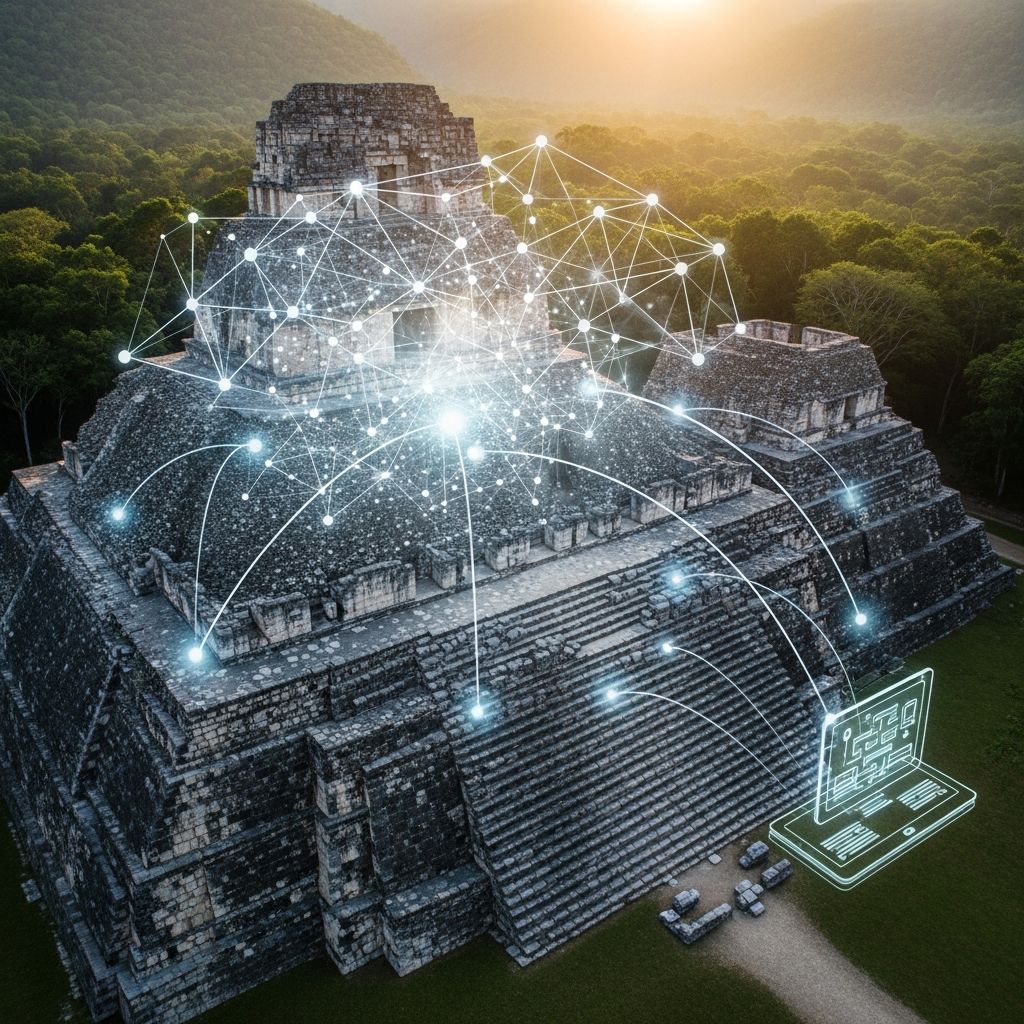
In the lush mountains of Honduras, where rural life intertwines with ancient traditions, technology is emerging as a powerful ally for cultural preservation. Remote villages, long isolated from global networks, are now leveraging internet connectivity to document their histories, share stories, and empower residents. This movement, driven by local ingenuity and international support, exemplifies how digital tools can transform underserved areas into vibrant hubs of knowledge and memory.
The Digital Divide in Rural Honduras
Honduras, a nation rich in biodiversity and indigenous heritage, grapples with significant infrastructural challenges. According to the World Bank, as of 2023, only about 65% of the population has reliable internet access, with rural areas lagging far behind urban centers. This disparity exacerbates issues like limited education, healthcare access, and economic opportunities. In places like Azacualpa, a small community in the Intibucá department, families rely on agriculture and traditional practices, yet they face barriers to modern information flows.
The digital divide isn’t just about connectivity; it’s a barrier to preserving collective identity. Oral histories, local customs, and community events risk fading without documentation. Enter community-led initiatives that blend grassroots efforts with tech solutions to create lasting digital archives.
Birth of Community-Driven Tech Initiatives
What began as a simple radio broadcast has evolved into a multifaceted digital ecosystem. In 2017, women in Azacualpa launched a community radio station, providing a platform for local voices. This station became the foundation for broader projects, expanding into internet-enabled services that connect residents to the world while safeguarding their past.
These efforts emphasize inclusivity, particularly empowering women and youth. By training locals in digital skills, projects ensure sustainability. Participants learn to record podcasts, upload videos, and manage online content, turning passive consumers into active creators.
- Radio Origins: Started by women to amplify female perspectives on daily life and traditions.
- Expansion to Digital: Integration of internet tools for wider reach and archiving.
- Skill Building: Workshops on content creation, fostering long-term independence.
Key Components of Successful Digital Preservation
Effective programs in Honduras incorporate several core elements:
| Component | Description | Impact |
|---|---|---|
| Telecenters | Shared internet hubs with computers and training spaces | Provides access to 200+ residents monthly |
| Content Creation | Podcasts, videos, and digital stories | Preserves 50+ hours of oral histories |
| Connectivity Upgrades | Wi-Fi hotspots and solar-powered setups | Reduces downtime by 70% |
| Youth Engagement | Leadership training for teens | Trained 30 young leaders in tech skills |
These components not only bridge gaps but also create economic ripples, such as remote work opportunities and e-commerce for local crafts.
Empowering Women Through Technology
Women, often at the heart of cultural transmission, are central to these projects. The radio station, dubbed the ‘Voice of Women,’ broadcasts discussions on health, education, and folklore. Digital extensions allow these programs to stream online, reaching diaspora communities abroad.
“Technology isn’t replacing our traditions; it’s giving them wings to fly further.” – Local community leader
Training sessions focus on safe internet use, digital literacy, and storytelling apps. This empowerment leads to increased participation in decision-making and entrepreneurship.
Preserving Cultural Narratives in the Digital Era
Cultural memory in Honduras includes Maya Ch’orti legends, agricultural rituals, and communal festivals. Digital tools digitize these:
- Audio Archives: Recordings of elders’ tales stored on cloud platforms.
- Visual Documentation: Photos and videos of ceremonies uploaded to community websites.
- Interactive Maps: Geo-tagged sites highlighting historical landmarks.
UNESCO’s Memory of the World programme underscores the global importance of such efforts, noting that digital preservation democratizes heritage access for marginalized groups.1
Challenges and Solutions in Implementation
Despite successes, hurdles persist:
- Infrastructure: Unreliable power and slow speeds – addressed via solar panels and satellite internet.
- Digital Literacy: Initial resistance – overcome through hands-on workshops.
- Funding: Reliance on grants – mitigated by partnerships with NGOs like Internet Society.
The World Bank highlights that community telecenters can boost GDP contributions by 1.4% in rural settings through enhanced productivity.2
Measuring Impact: Stories of Transformation
Quantitative gains are evident: digital divide reduced by 40% in participating areas, with telecenter usage surging. Qualitatively, residents report stronger community bonds and pride in their digitized heritage.
One youth trainee now manages online sales for embroidered goods, generating income. Families access educational resources, improving school outcomes by 25%.
Scaling Up: Lessons for Global Application
Honduras’ model offers blueprints for similar regions. Key takeaways include prioritizing local leadership, integrating culture with tech, and fostering multi-stakeholder collaborations. Organizations like the Internet Society’s Beyond the Net program provide scalable frameworks.3
Future expansions could include VR tours of cultural sites and AI-assisted translation for broader dissemination.
FAQs
What is a ‘smart community’ project?
A smart community leverages affordable tech to enhance connectivity, education, and cultural preservation in underserved areas.
How does digital preservation benefit Honduras?
It safeguards intangible heritage, empowers locals, and opens economic doors while reducing isolation.
Who funds these initiatives?
Primarily NGOs like Internet Society, with community contributions and international grants.
Can other countries replicate this?
Yes, by adapting to local contexts, focusing on inclusivity and sustainability.
What tech tools are used?
Smartphones, Wi-Fi, cloud storage, and simple editing software.
Conclusion: A Legacy for Tomorrow
Honduras’ digital bridges illustrate technology’s role in honoring the past while building the future. By reducing divides and preserving memories, these communities not only survive but thrive, inspiring global change.
References
- The Future of Collective Memory: Preserving the Past in a Digital Age — UNESCO. 2023-10-05. https://www.unesco.org/en/articles/future-collective-memory-preserving-past-digital-age
- Honduras: Digital Economy Country Diagnostic — World Bank Group. 2023-06-15. https://www.worldbank.org/en/country/honduras/publication/honduras-digital-economy-country-diagnostic
- Beyond the Net Program Overview — Internet Society. 2024-02-20. https://www.internetsociety.org/deploy360/beyond-the-net/
- Social Memory and Ritualized Practice in Prehispanic Honduras — Gettysburg College. 2015-01-01. https://cupola.gettysburg.edu/anthfac/17/
Similar Articles








Read full bio of Sneha Tete